
Astronomical phenomenon about to happen in 2023
Astronomical phenomenon about to happen in 2023
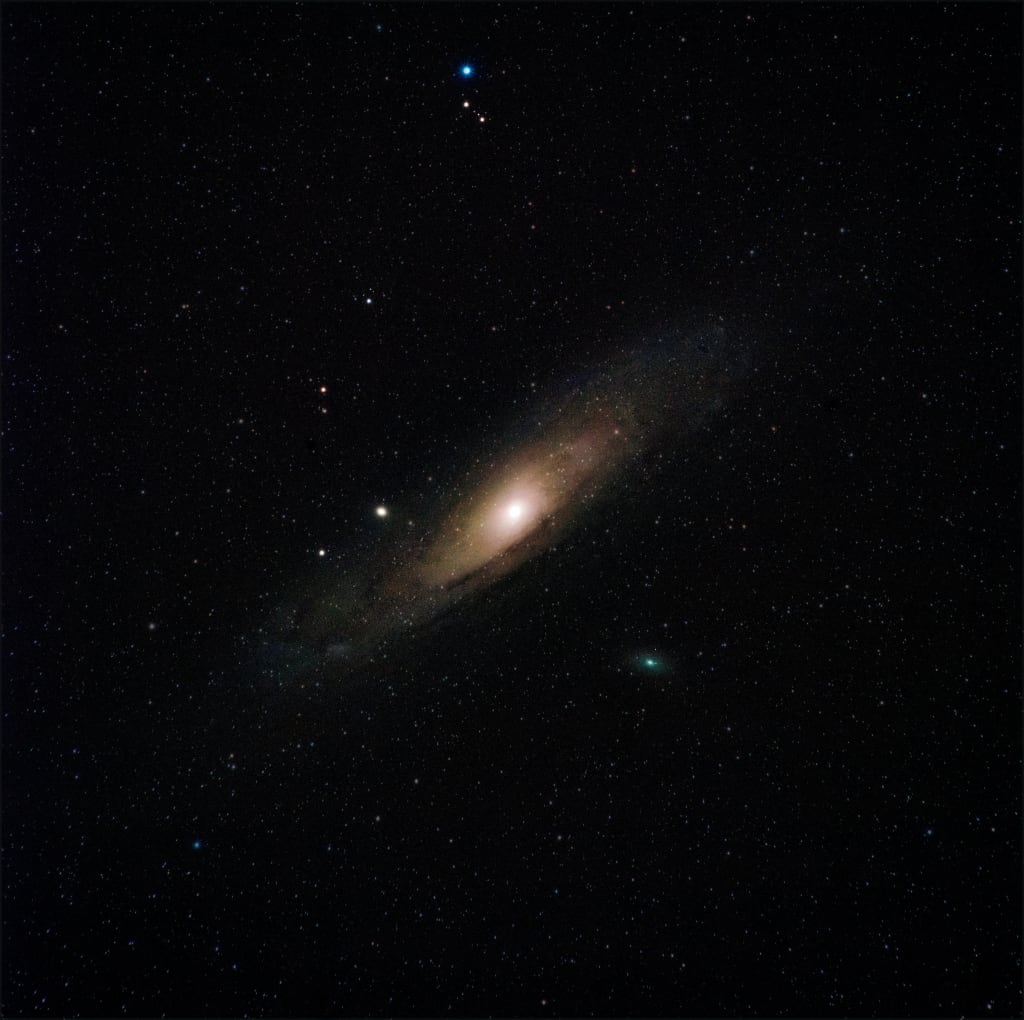
We previously discussed Comet Nishimura, the remarkable green comet that has been captivating the night sky with its dazzling presence. In this update, we'll bring you the latest developments on this celestial wonder, including its post-solar storm condition, upcoming visibility, and its significance in the world of astronomy.
As a quick recap, Comet Nishimura is a long-period comet that follows an orbit around the Sun, reappearing roughly every 200 years. Its discovery was credited to Japanese astronomers who utilized a telescope in Hawaii, and since then, it has periodically graced our night sky, occasionally even visible to the naked eye.
One of the most memorable encounters with Comet Nishimura occurred in August 2023 when it drew closest to the Sun, exhibiting a striking green hue across the heavens. This event was coupled with a rare solar eclipse that cast a shadow on parts of Earth.
However, on September 6, 2023, Comet Nishimura faced a formidable challenge in the form of a potent solar storm. This storm resulted from a coronal mass ejection from the Sun, which unleashed a torrent of plasma and magnetic fields into space. This disruption impacted the comet's tail, composed of dust and gas expelled from the nucleus due to the Sun's radiation pressure. The storm hit the comet at an angle of about 45 degrees, deflecting some tail material away. As a result, the comet lost approximately 10 percent of its original tail length.
Thankfully, this event did not significantly alter the comet's orbit or trajectory. Comet Nishimura will gradually recover its tail as it moves away from the Sun into colder regions of space. It will also regenerate its tail as more dust and gas are replenished through cometary activity. Importantly, the solar storm did not substantially alter the comet's brightness or unique green color, which is a testament to its distinctive composition.
So, what's in store for us? We can eagerly anticipate the return of Comet Nishimura in October 2023. As it journeys through the inner solar system, it will encounter asteroids and comets along the way, accruing additional dust and gas to its nucleus, causing it to grow longer and brighter. The comet's visibility will vary depending on its position relative to the Sun and Earth, making online tools such as Sky Safari or Stellarium invaluable for tracking its whereabouts.
Among the prime viewing opportunities, mark your calendars for October 13th when Comet Nishimura will be visible low in the South-Southwest after sunset. Another excellent sighting chance will occur on October 20th when the comet will grace the Northeastern sky before sunrise. Binoculars or telescopes can enhance your observation, providing a clearer view of its details.
Due to the solar storm's impact, the comet's elongated shape will place it higher in the sky than usual, increasing your chances of witnessing this spectacular celestial object before it gradually fades into obscurity.
With these insights, let's delve into how to maximize your viewing experience of Comet Nishimura:
• Select an Optimal Location and Equipment: Begin by locating a dark, clear spot far from city lights and pollution. Check the weather forecast to ensure clear skies. Online tools and apps can help you pinpoint the comet's visibility from your location. While specialized equipment is not necessary, consider bringing binoculars, telescopes, or a camera with a long exposure setting for a more detailed view and stunning photographs.
• Time It Right: The best time to observe Comet Nishimura varies by location, season, and weather conditions. Aim to view the comet when it's low in the sky before sunrise or after sunset to avoid moonlight interference. Peak brightness generally occurs around October 13th or 20th, offering a clearer view of its nucleus and tail.
• Immerse Yourself: Once you've secured an ideal spot and set up your equipment, relax and focus on the spectacle. Minimize blinking and movement to optimize your observation. Remember that watching Comet Nishimura is not only visually captivating but also scientifically valuable, shedding light on cometary behavior and solar system dynamics, particularly in the wake of a solar storm.
Comet Nishimura presents a rare opportunity to witness the beauty of the cosmos without special equipment. Its appearance coincides with a period of heightened solar activity, making it an especially intriguing celestial event. We hope these tips enhance your experience as you gaze upon this extraordinary comet. Thank you for joining us, and don't forget to like, share, comment, subscribe, and hit the bell icon for more celestial updates. If you have questions or suggestions for future topics or videos, please share them in the comments below. Until next time, keep your curiosity alive!
About the Creator
Enjoyed the story? Support the Creator.
Subscribe for free to receive all their stories in your feed.
Comments
There are no comments for this story
Be the first to respond and start the conversation.