
A World Where Memories Are Sold Like Products
A world where your happiest moments can be bought, sold, and stolen.
The Store on Every Corner
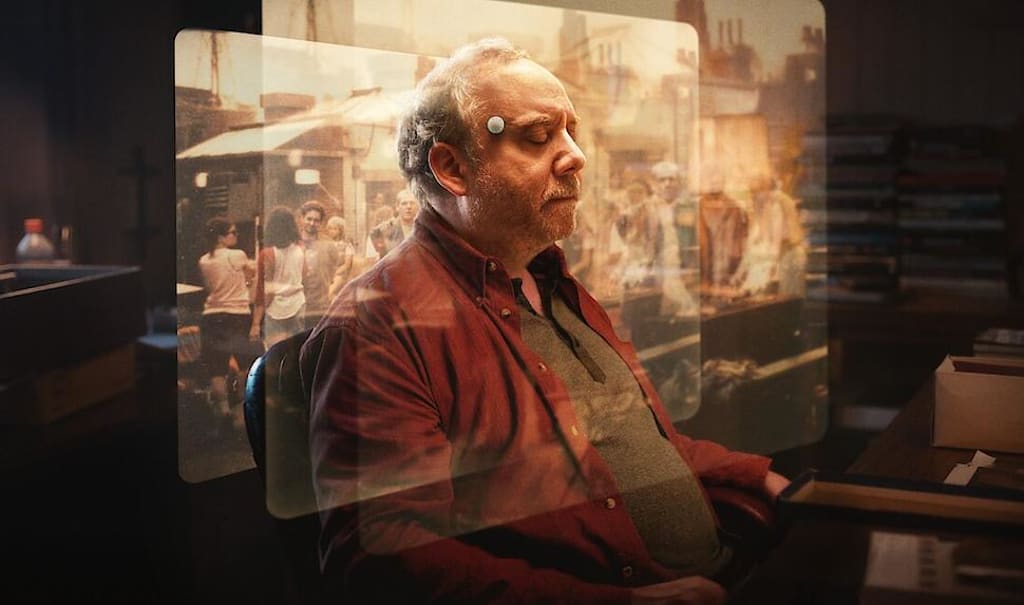
The year was 2089, and memories had become the world's most valuable commodity. Every major city contained Memory Markets where people could buy, sell, trade, and experience memories just as easily as purchasing groceries or clothing. Wealthy customers bought memories of exotic vacations they had never taken. Students purchased years of expertise before important exams. Some people even collected memories like antiques, storing thousands of experiences inside personal digital vaults. What had once been considered impossible was now an ordinary part of daily life. In this new world, experiences were no longer limited to the people who lived them.
A New Kind of Economy
The memory industry transformed society faster than any previous technology. Individuals could sell cherished moments in exchange for money, allowing ordinary people to profit from their life experiences. A breathtaking sunset, a championship victory, or even a first kiss could be converted into digital memory files and sold to buyers around the world. Some people became wealthy simply because they had lived extraordinary lives. Others intentionally sought dangerous adventures, knowing that rare experiences commanded higher prices in the marketplace.
The Most Expensive Memories
Not all memories held equal value. Happy childhood moments sold well, but the most expensive memories were often the rarest ones. Memories of historical events, scientific discoveries, and life-changing achievements became luxury products available only to the rich. The memory of walking on Mars sold for millions of credits. The experience of discovering a cure for a major disease became one of the most valuable digital assets ever recorded. Entire industries emerged around acquiring and reselling experiences to the highest bidder.
The Boy Who Sold Too Much
Like many struggling young adults, I occasionally sold memories to pay bills. At first, I only sold insignificant moments—birthday parties, school graduations, and family vacations. The process felt harmless. The memory would disappear from my mind and appear as a product available for purchase. The money helped me survive. Over time, however, selling memories became addictive. Every difficult financial situation could be solved by selling another piece of my past. Eventually, I began selling memories that mattered.
The Empty Spaces
At first, I barely noticed the changes. Then one day, I looked at an old photograph of my parents and realized I couldn't remember the day it had been taken. The memory was gone. Friends spoke about shared experiences that I no longer recognized. Entire years of my life felt incomplete. My mind contained strange empty spaces where important moments should have existed. The more memories I sold, the less connected I felt to my own identity. It became difficult to determine which experiences still belonged to me and which had been permanently traded away.
A Mysterious Customer
One afternoon, I received an unusual offer through a private memory broker. An anonymous buyer wanted to purchase a specific memory from my childhood. The payment offered was enough to eliminate every debt I had accumulated. Curious, I asked why the memory was so valuable. The broker refused to explain. All he would reveal was that the buyer had been searching for this memory for years. Despite my hesitation, the amount of money was impossible to ignore. I agreed to review the memory before making a final decision.
The Forgotten Summer
The memory in question came from a summer afternoon when I was eight years old. At first glance, it appeared completely ordinary. I was playing beside a lake with my grandfather while he taught me how to skip stones across the water. There were no famous events, no hidden treasures, and no obvious reasons for anyone to want it. Yet as I watched the recording, I noticed something unusual. In the background stood a man wearing a dark coat. He appeared only briefly before walking into the surrounding forest.
The Secret Hidden Inside
Curiosity led me to investigate further. Using enhancement software, I examined the memory frame by frame. What I discovered shocked me. The man in the background wasn't a stranger. He was the founder of NeuroVault, the corporation that controlled nearly eighty percent of the global memory market. More importantly, the memory had been recorded years before he publicly existed. According to official records, he would not be born for another decade. Somehow, my childhood memory contained evidence of an impossible event.
The Truth About Memory Markets
Determined to learn more, I began researching NeuroVault's history. The deeper I looked, the stranger the story became. Hidden documents suggested that memory technology wasn't originally developed to preserve experiences. It had been created to manipulate them. Powerful organizations discovered that memories could be transferred across time as well as between individuals. Certain memories contained fragments of future events, allowing corporations to gain knowledge before it occurred. The world's most valuable commodity wasn't experience. It was information from the future.
The Memory They Wanted
Suddenly, the anonymous buyer's interest made sense. My childhood memory wasn't valuable because of my grandfather or the lake. It was valuable because it contained proof of a secret capable of destroying the entire memory industry. If released publicly, it could expose decades of manipulation and corruption. The buyer wasn't trying to purchase a nostalgic moment. They were trying to erase evidence. For the first time, I understood why the offer had been so generous.
The Choice That Changed Everything
Instead of selling the memory, I copied it and released it online. Within hours, millions of people downloaded the file. Governments launched investigations. NeuroVault's stock value collapsed overnight. The public finally learned that memories had become more than products. They had become tools of control. As the scandal unfolded, memory markets around the world temporarily shut down. For the first time in decades, people began asking whether some experiences should remain priceless.
The Value of Remembering
Years later, the memory industry still exists, but society treats it differently. Regulations limit what can be bought and sold, and many people refuse to trade personal memories at all. As for me, I stopped selling memories completely. The empty spaces in my mind remain, reminding me of everything I traded away. I learned a lesson that billions of credits could never teach: experiences are valuable not because someone will buy them, but because they help define who we are. In a world where memories became products, remembering turned out to be the most precious thing of all.
About the Creator
Robert Redford
i create powerful, easy-to-read articles on everything from history and world events to technology, lifestyle, and thought-provoking ideas. If sparks curiosity, I write about it. Always exploring, always delivering something worth reading.
Enjoyed the story? Support the Creator.
Subscribe for free to receive all their stories in your feed.
Comments
There are no comments for this story
Be the first to respond and start the conversation.