
A Dream That Came True
From Toy Cars to a Village Reborn

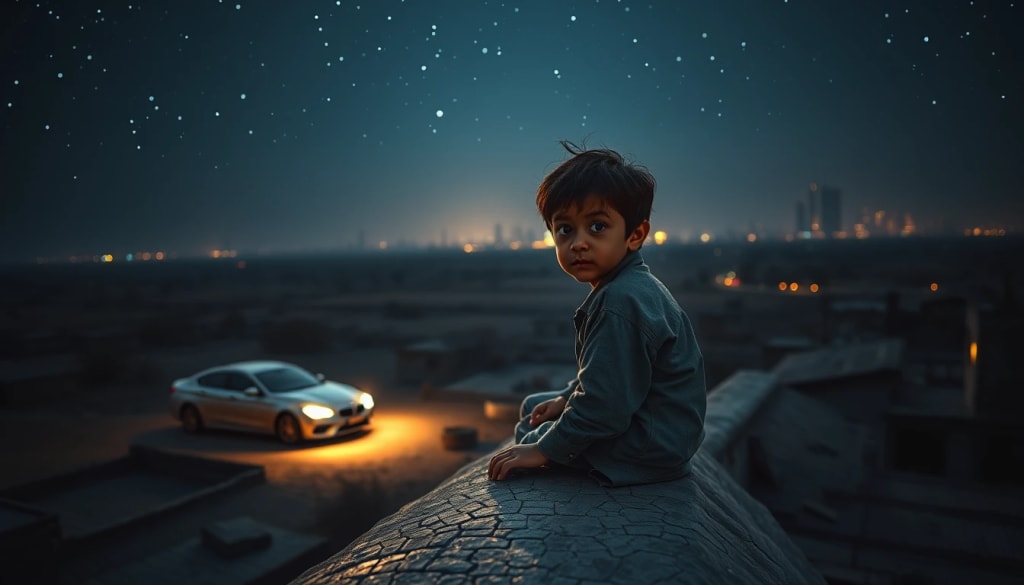
Every night, Mustafa slipped into the same dream—a gleaming silver car roared beneath his hands, cutting through the dusty trails of his village toward a city ablaze with lights. The engine purred like a heartbeat, the wind kissed his face, and for those fleeting hours, he was free. Then morning came. The rooster’s crow yanked him back to reality, where his only ride was a creaky bicycle with a wobbly wheel, and the city was a distant mirage shimmering beyond the horizon of his middle-class life.
The Boy with Toy Cars
Mustafa was born into a modest family in a sleepy Pakistani village called Chakwal, where the air smelled of earth and the days blurred into routines of survival. His father ran a small kirana shop, stacking lentils and spices, while his mother stitched clothes under the dim glow of a lantern. Education was a luxury, squeezed into a one-room schoolhouse with cracked walls and a teacher who dozed more than he taught. But Mustafa had something no one could take away—a spark of imagination that flickered brightest when he played with his toys.
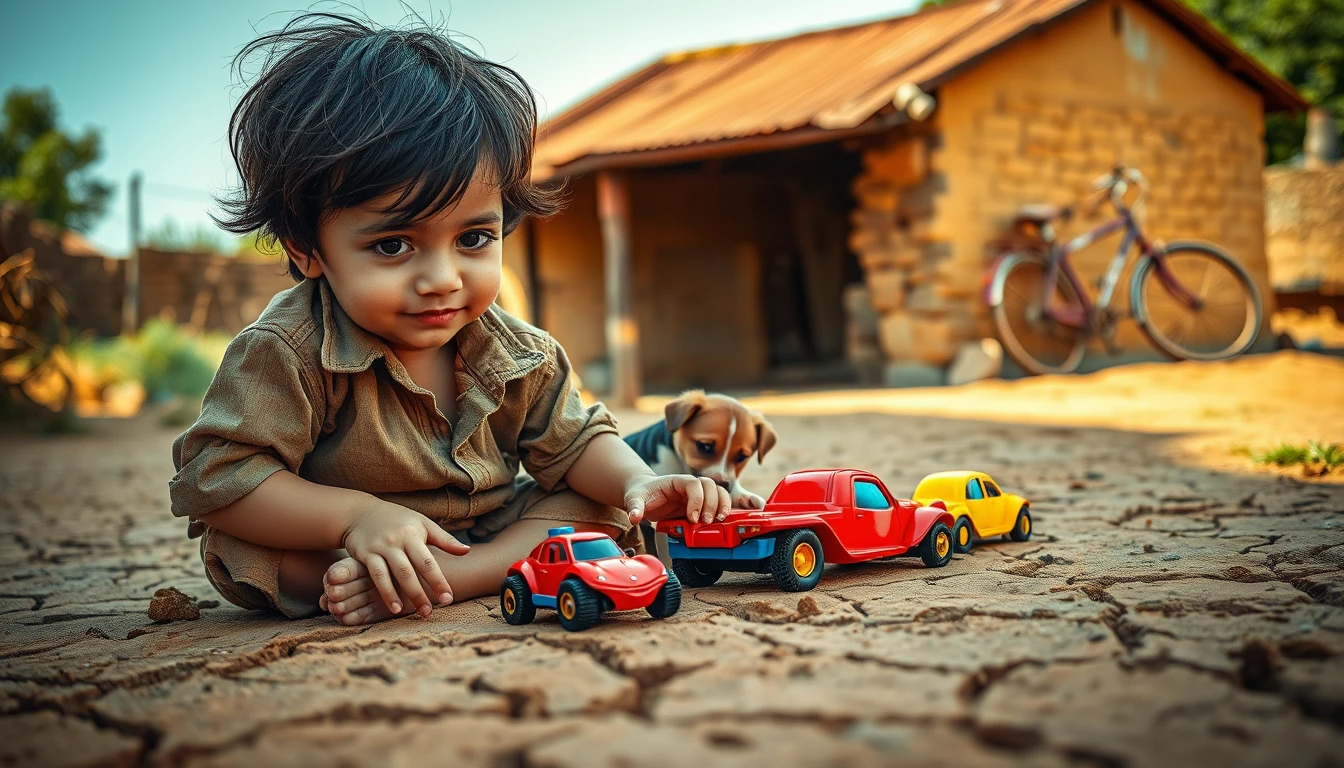
In the dirt outside his mud-brick home, he’d line up his collection of chipped plastic cars—red, blue, yellow, some missing wheels—and push them through imaginary highways. “One day,” he’d whisper to himself, gripping a toy sedan, “I’ll drive a real one. I’ll leave this village and see the city.” At night, he’d dream of those cars, their headlights slicing through the dark, or he’d hunch over his battered Nokia phone, racing pixelated vehicles across a tiny screen. Those dreams were his escape, a promise he made to the boy who refused to settle for less.
The Weight of Want
By twelve, Mustafa’s hands were calloused—not from toys, but from the real world creeping in. His father’s shop barely paid the bills, and school fees loomed like a storm cloud. One day, he overheard his parents arguing about money, their voices sharp with worry. “He needs to work,” his father said. “Education won’t fill our stomachs.” That night, Mustafa stared at his toy cars, their colors faded, and felt a pang of guilt. Dreams were heavy when your family couldn’t afford them.
Determined to ease the burden, he marched to the village’s only electric shop—a cluttered shack buzzing with wires and the hum of a generator. The owner, a wiry man named Qasim with grease-stained fingers, eyed him skeptically. “Please, teach me,” Mustafa begged. “I want to earn.” Qasim grunted but handed him a screwdriver. For months, Mustafa tinkered with frayed cables and flickering bulbs, learning the dance of circuits. He wasn’t an expert—half the time, he’d short a fuse and earn a scolding—but he felt the thrill of progress.
One evening, as the sun dipped low, Qasim pulled him aside. “You’re wasting your time here, boy. This isn’t your path. Go back to school.” Mustafa’s heart sank. “I can’t. We don’t have the money.” Qasim’s stern face softened. “I’ll pay for it. Get your education. You’re meant for more.” It was a lifeline Mustafa hadn’t expected, a crack of light in his dimming world.
The Climb
School wasn’t easy. The government classroom smelled of chalk dust and sweat, and the other boys mocked his patched clothes. But Mustafa had fire in his belly. He studied by lantern light, scribbling notes until his fingers cramped. His hard work paid off—he clawed his way into the top three of his class, a quiet victory that made his mother’s eyes glisten with pride. “You’ll be someone,” she’d say, ruffling his hair.
Life became a rhythm of grit and growth. He moved from the private school—too expensive—to the government one in sixth grade, where he stunned everyone by snagging first position. Each year, he climbed higher, passing tenth grade with honors, then eleventh, then twelfth. The boy who once raced toy cars now raced toward a future he could barely imagine. Along the way, he started teaching—first tutoring kids in the village, then landing a job at a private school. Coins clinked into his savings jar, each one a step closer to his dream.
University was the final mountain. Mustafa scraped together every rupee—earnings from teaching, odd jobs, sheer will—and enrolled in a city college. Lahore loomed large, its chaos of rickshaws and neon signs a far cry from Chakwal’s stillness. He studied engineering, aced his exams, and walked across the stage in a borrowed gown, clutching a degree that felt like a ticket to the world. The city was his now. He’d made it.
The Dream Unraveled
One humid evening, Mustafa stood in a dusty lot, keys jangling in his hand. Before him sat a second-hand Suzuki Mehran—silver, just like in his dreams, its paint chipped but shining in the twilight. He slid into the driver’s seat, turned the ignition, and felt the engine rumble to life. A grin split his face as he drove through Lahore’s bustling streets, the wind whipping through the open window. The boy from Chakwal had done it—he’d bought his car, claimed his city, turned his khwab into haqeeqat.
That night, he dreamed again. The silver car roared to life, but this time, it didn’t speed toward the city. It turned back, weaving through familiar dirt paths until it stopped in Chakwal. Mustafa stepped out, and his breath caught. The village was gone. In its place stood a gleaming town—paved roads, glowing streetlights, houses with tiled roofs. Children laughed as they raced toy cars of their own, and a sign read, “Welcome to Mustafa Nagar.”
He woke with a start, heart pounding. It was just a dream—or was it? The next morning, he drove back to Chakwal, curiosity tugging at him. The village was still there, unchanged—mud homes, goats wandering, the same sleepy rhythm. But as he parked and walked the streets, he saw something new. A group of kids huddled around a boy with a toy car, its wheels spinning as he pushed it through the dirt. “I’ll drive a real one someday,” the boy said, echoing Mustafa’s own words from years ago.
Then it hit him. The dream wasn’t just about the car or the city. Every late-night study session, every lesson he taught, every rupee he saved—it wasn’t just for him. His journey had planted seeds. The village teacher who’d once mocked him now boasted about “our Mustafa” to students. The kids he’d tutored were dreaming bigger, chasing their own cars, their own cities. And Qasim, the gruff electrician, had started a fund to help other boys like Mustafa, using the shop’s profits to send them to school.
A Legacy in Motion
Mustafa leaned against his Mehran, watching the sun sink behind Chakwal’s hills. The twist of his dream unfurled like a ribbon in his mind. He hadn’t just built a life—he’d built a spark that was turning his village into something more. The khwab he’d chased wasn’t a selfish escape; it was a blueprint, a vision that lived in every child who now dared to dream beyond the dirt.
Back in Lahore, he teaches at a college, his voice steady as he lectures on circuits and dreams. He earns enough to keep the car running, to send money home, to live the life he once imagined. But every weekend, he drives to Chakwal, not just to visit, but to see the ripple of his story. The village hasn’t become a city yet—not in brick and steel—but in the eyes of its people, it’s already shifting. Mustafa smiles, knowing his dream came true, not just for him, but for a place he’d once longed to leave.
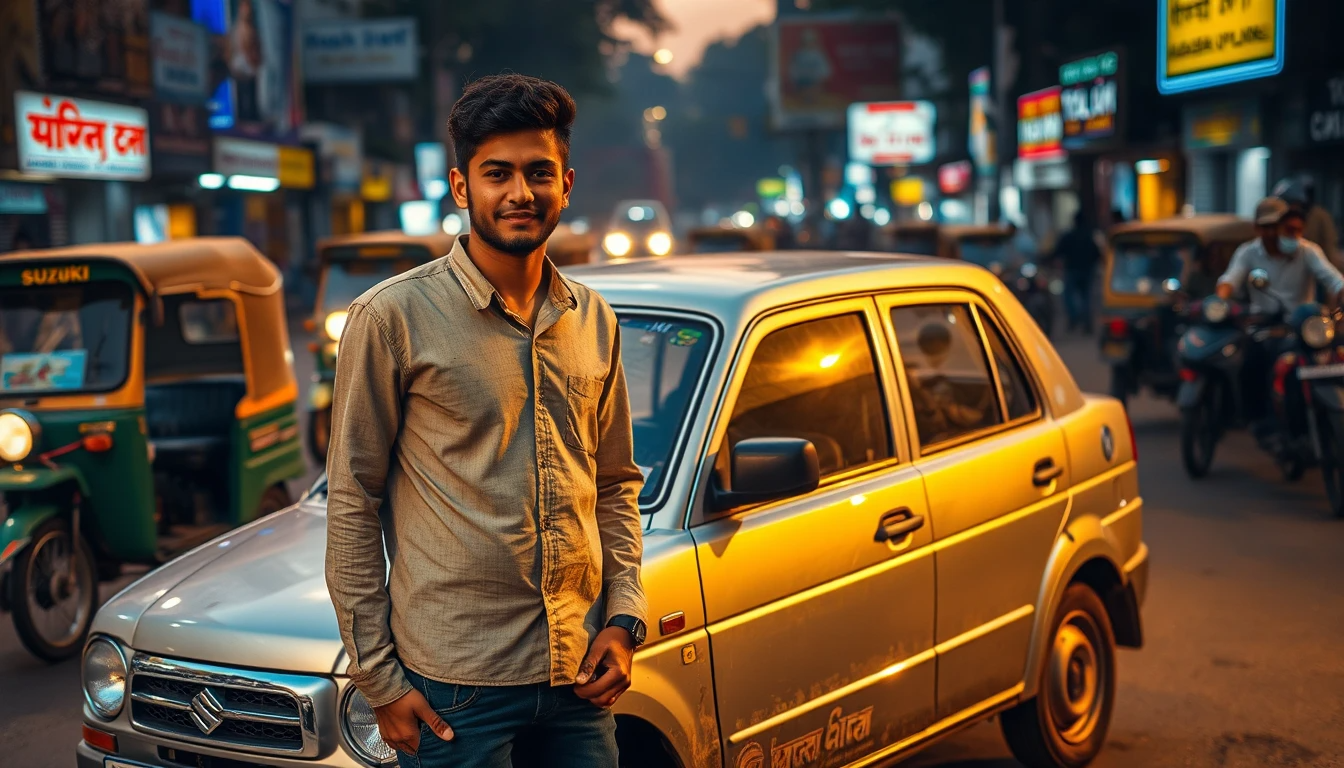
One day, he thinks, there might really be a “Mustafa Nagar.” For now, he’s content to drive his silver car between two worlds—city and village, reality and dream—watching the legacy of a boy with toy cars unfold into something far grander than he ever dared to hope.
About the Creator
Mustafa
I’m Mustafa, a storyteller crafting tales of life, dreams, and the unseen. With a passion for blogging and writing, I bring stories that spark inspiration, ignite laughter, and build bridges. Dive in—my world of words awaits you!
Enjoyed the story? Support the Creator.
Subscribe for free to receive all their stories in your feed.
Comments
There are no comments for this story
Be the first to respond and start the conversation.