
Why Simple Coloring Books Still Matter for Young Children
Creative activities can still teach valuable skills in a screen-filled world

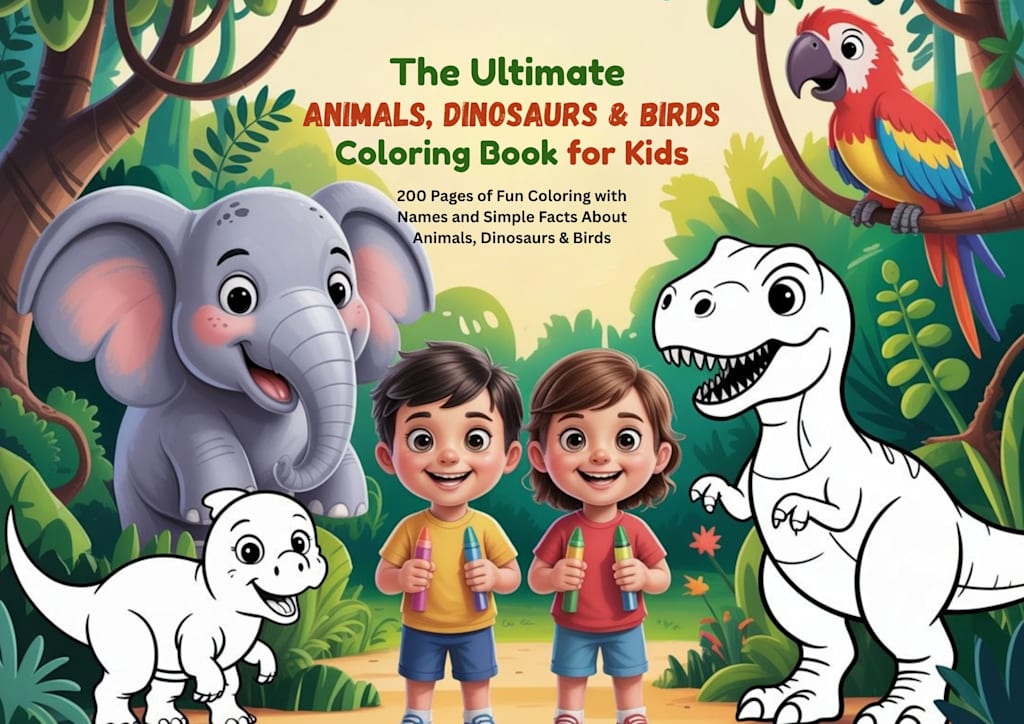
Over the past few years, children’s entertainment has changed dramatically. Tablets, mobile games, streaming platforms, and educational apps have become part of everyday life for many families. While technology certainly has benefits, I have noticed that some of the simplest activities still hold a special place in childhood. One of those activities is coloring.
At first glance, coloring books may seem old-fashioned compared to modern digital entertainment. However, after spending time around toddlers and preschool children, I started noticing how deeply engaged they become when they sit down with crayons and simple coloring pages. Unlike fast-moving videos or noisy games, coloring encourages children to slow down and focus on one small creative task at a time.
What surprised me most was how long children could stay interested in something so simple. A child might spend several minutes carefully choosing colors for a cartoon animal or deciding how to decorate a page. In today’s world of short attention spans, that kind of focus feels surprisingly valuable.
Animal-themed coloring books seem especially effective for young children because kids naturally connect with animals. Lions, rabbits, birds, dinosaurs, and jungle creatures immediately spark curiosity and imagination. Children often create little stories in their minds while coloring, even when no story is written on the page.
While working on a large collection of animal coloring pages recently, I began thinking more seriously about why these books continue to remain popular. I realized that many parents are not simply looking for entertainment. They are searching for activities that feel calm, creative, and educational at the same time.
One thing I noticed while designing pages is that simplicity matters more than people think. Many modern coloring books include highly detailed illustrations that can feel overwhelming for younger children. Toddlers and preschoolers usually respond better to clean pages with bold outlines and large spaces. Simpler designs allow children to color more freely without worrying about staying perfectly inside tiny shapes.
This freedom helps children feel successful. Instead of becoming frustrated, they feel proud of what they create. That small sense of accomplishment can make creative activities much more enjoyable and encouraging.
Coloring also supports early learning in subtle ways. Children begin recognizing animals, shapes, patterns, and words naturally through repetition and curiosity. Some pages can even introduce simple vocabulary or easy educational sentences without making the experience feel like formal learning.
Another interesting thing about coloring is how calming it can be. Many parents talk about how quiet coloring time helps children relax after busy days. Teachers often use coloring activities during transitions because they help students settle down and focus. In a world where children constantly receive stimulation from screens and fast-paced content, simple creative moments can feel refreshing.
I also think coloring encourages imagination in ways digital entertainment sometimes cannot. When children color a page, they make their own decisions. They choose the colors, create the mood, and sometimes invent stories around the characters. A dinosaur can become friendly, a rabbit can become a superhero, and a bird can live in a rainbow-colored forest. Creativity becomes personal and open-ended.
Another reason printable coloring books remain popular is convenience. Parents appreciate activities that are affordable, reusable, and easy to access. Teachers and homeschool families also enjoy having simple educational resources ready for quiet time, classroom projects, or rainy afternoons indoors.
Of course, coloring books are not meant to replace every other form of learning or entertainment. Technology can still be useful and educational in many situations. But I believe children benefit from having a healthy balance between digital activities and hands-on creative experiences.
Sometimes the simplest activities are the ones children remember most clearly later on. Sitting at a table with crayons, flipping through pages filled with friendly animals, and proudly showing finished artwork to parents may seem small, but these moments often become meaningful childhood memories.
That is probably why coloring books continue to survive generation after generation. They are simple, relaxing, creative, and accessible for almost every child. Even in a fast-changing digital world, there is still something timeless about turning a blank page into something colorful through imagination.
For many young children, that small creative experience is more valuable than we sometimes realize.
What creative activities do the children in your life enjoy the most?
About the Creator
Meshal Sprout
Author of fun & educational kids books | Inspiring creativity & imagination
Enjoyed the story? Support the Creator.
Subscribe for free to receive all their stories in your feed.
Comments
There are no comments for this story
Be the first to respond and start the conversation.