
Why Educational Animal Books Continue to Inspire Young Readers
How Reptile-Themed Learning Books Help Children Explore Science and Nature

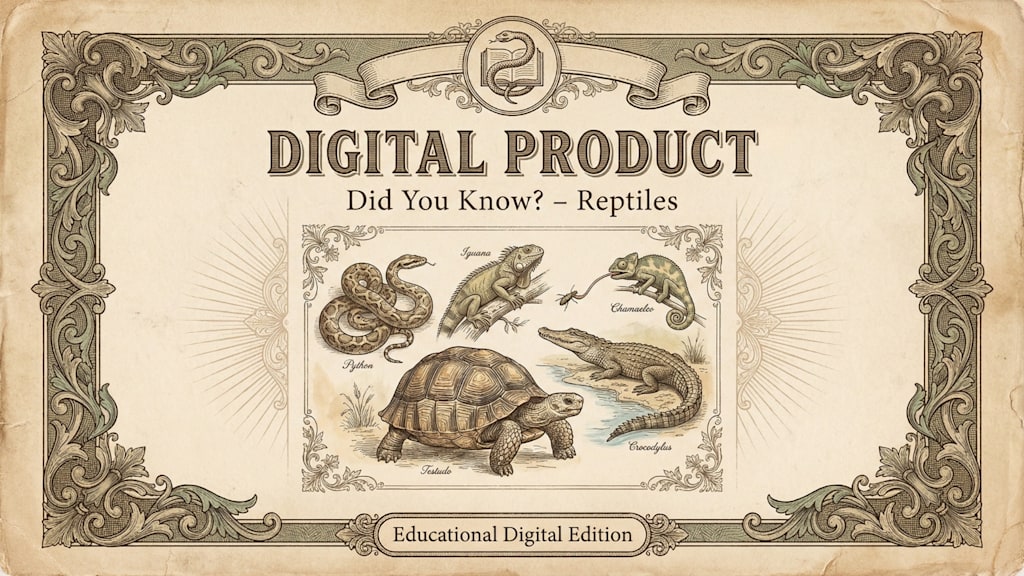
Children often learn best when curiosity leads the experience. Books that introduce animals, nature, and science in a simple and visually engaging way can create lasting interest in reading and discovery. Among the many educational topics available for young readers, reptiles remain one of the most fascinating categories for children because of their unusual appearance, survival skills, and unique behaviors.
Educational reptile books give children the opportunity to explore the natural world through facts, illustrations, and storytelling-inspired learning. Instead of presenting science as something difficult or overly academic, these books help transform information into an enjoyable reading experience that children can understand and remember.
Many children are naturally curious about snakes and reptiles. Questions about where reptiles live, how they survive, and what makes them different from other animals often capture the attention of young readers. Books focused on reptile education can encourage children to ask more questions, develop reading habits, and explore science topics in a fun and comfortable way.
One reason animal education books are so effective is that they combine visual learning with simple explanations. Bright illustrations and organized page layouts help children stay focused while improving comprehension. Younger readers especially benefit from educational books that break down information into short, easy-to-read sections supported by engaging visuals.
Reptiles are also important animals within ecosystems around the world. Learning about them helps children understand biodiversity, habitats, and the balance of nature. Educational reading can introduce these ideas gradually without overwhelming children with complicated scientific language. This creates a more enjoyable learning environment while still encouraging curiosity and knowledge development.
Books that focus on wildlife and nature can also support independent learning. Many parents and educators look for reading materials that children can enjoy on their own while still gaining educational value from the experience. Reptile fact books are often suitable for homeschool activities, classroom reading corners, science projects, and family reading time.
Another benefit of educational animal books is their ability to strengthen imagination and observation skills. Children often enjoy comparing different reptile species, noticing patterns, and remembering interesting details about animal behavior. These small moments of discovery can encourage stronger engagement with reading and learning over time.
Reading educational content at a young age may also help children become more confident readers. When a topic matches a child’s interests, reading feels less like a task and more like an adventure. This is one reason books about animals and wildlife continue to remain popular among children between the ages of 6 and 12.
Parents frequently search for educational resources that balance entertainment with learning. Books that are too technical can lose a child’s attention quickly, while books focused only on entertainment may provide little educational benefit. Nature and science books that use simple language and interactive visuals can offer a balanced reading experience suitable for different learning styles.
Reptile-themed educational books can introduce children to a variety of interesting species, including cobras, pythons, vipers, rattlesnakes, and anacondas. Learning about these animals through age-appropriate content can help children replace fear with understanding and curiosity. Educational reading often encourages children to see animals as important parts of nature rather than simply mysterious creatures.
In addition to supporting science learning, educational books may encourage children to spend more time reading away from screens and digital distractions. Quiet reading activities continue to play an important role in language development, concentration, and creativity. Books that combine colorful visuals with interesting facts can help maintain a child’s attention while promoting positive reading habits.
Teachers and homeschool educators also benefit from educational wildlife books because they can be used across multiple activities. A single animal-themed book may support reading comprehension exercises, science discussions, creative projects, and vocabulary development. This flexibility makes educational books valuable tools for both learning and entertainment.
As children grow, the books they read often shape the topics they become interested in later. Exposure to nature, wildlife, and science at an early age can inspire future curiosity about biology, ecosystems, conservation, and environmental awareness. Even simple educational books can create meaningful learning experiences when presented in a child-friendly format.
Educational reptile books continue to remain popular because they combine discovery, science, and creativity in a way that feels exciting for young readers. Through engaging facts and visually appealing pages, children are able to explore the natural world while developing stronger reading habits and curiosity about science.
Encouraging children to read about animals and nature is one small step toward helping them become lifelong learners who enjoy exploring the world around them.
About the Creator
Meshal Sprout
Author of fun & educational kids books | Inspiring creativity & imagination
Enjoyed the story? Support the Creator.
Subscribe for free to receive all their stories in your feed.
Comments
There are no comments for this story
Be the first to respond and start the conversation.