
Why Do Toddlers Bite Their Mothers?
In any instance, getting bitten by a child or even an adult is never fun. It can be shocking, painful, and honestly, a bit disturbing.
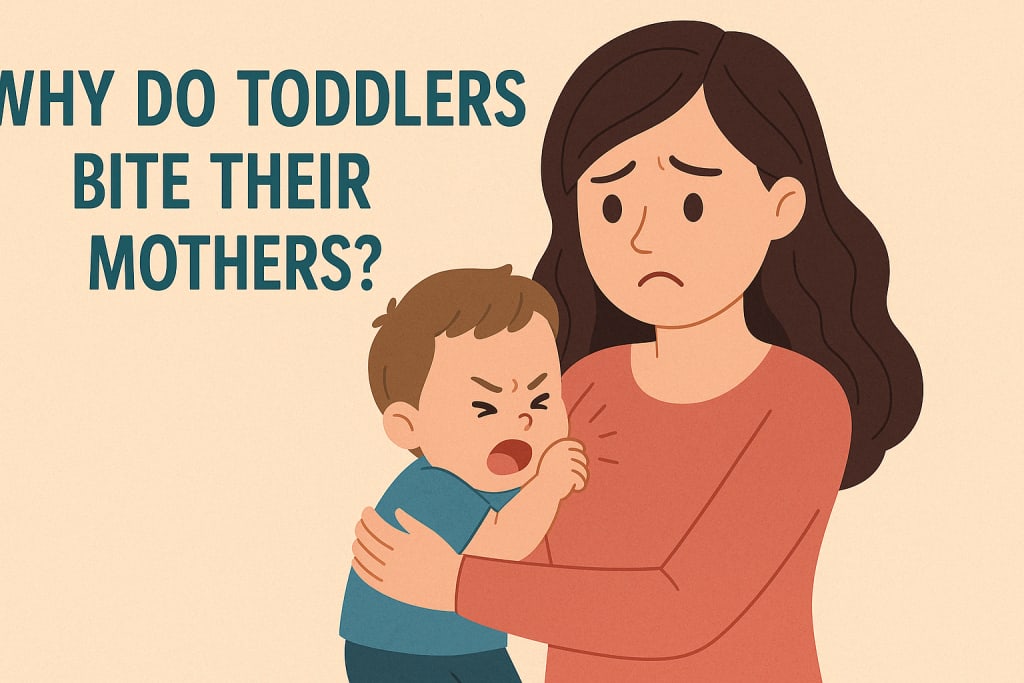
In any instance, getting bitten by a child or even an adult is never fun. It can be shocking, painful, and honestly, a bit disturbing. In the case of children's biting, especially toddlers biting their mothers, this behavior most of the time isn’t intended to be harmful. Many children below age four, for instance, use biting as a means of communication when they lack the vocabulary to do so.
When toddlers bite their mothers, a fellow kid, or a caregiver, the incident can lead to conflict or stress. But the good news is, behaviors like these are common in early childhood. Why Do Toddlers Bite Their Mothers? Often, it’s a way to express frustration, teething discomfort, or a need for attention—phases that usually pass with the right guidance.
6 Reasons Why Toddlers Bite?
- Children aged 1-3 may bite for a plethora of reasons, such as:
- They feel threatened or scared.
- They might feel angry or frustrated.
- There is too much excitement, noise, or activity and they are overwhelmed.
- They are teething and trying to soothe their sore gums.
- They have firsthand experience being bitten and are trying to copy the action.
They wonder about action and consequence, “What will taking this step lead to?”
Children at this age are still developing self-regulation and might struggle with constructive ways to express their big feelings, which is why biting their mothers or someone else is sometimes their go-to option when they are not able to articulate how they feel.
What Does Toddlers Bite Mean?
Biting in toddlers can be distressing for parents, but it's a common developmental stage between the ages of 1 to 3. Most children at this age haven't fully developed verbal communication skills, so they may resort to physical actions like biting to express frustration, anxiety, or even excitement. Importantly, toddlers don’t bite to cause harm—they simply lack the language to communicate their emotions effectively.
As children approach age 4, they typically begin to replace physical behavior with words. This is where early learning activities become essential. The benefits of learning alphabets for toddlers include enhanced communication, better emotional expression, and the ability to engage more positively with peers. Introducing alphabet recognition early can support language development, reduce behavioral issues like biting, and build a foundation for reading and writing skills.
What to Do When Your Child Bites?
It is challenging to control how one reacts when a child suffers a bite, especially if it is painful. But pausing and trying to relax is important. Presented below are the ways to respond to a biting incident.
1. Take a Breath and Control Yourself
It is paramount to maintain eye contact, modulate your voice to a calm yet firm tone and try to say something along the lines of, “I understand that you're frustrated but allowing you to bite is not an option. Biting is painful.”
2. Avoid Overthinking
Avoid lengthy explanations. Children comprehend simpler statements better at their age.
3. Keep Apart as Required
If your child happens to nibble on another child, kindly part them to prevent any nibbled parts and assess the intensity of the bite to ensure that everyone is alright.
4. Make Your Child Understand in a Calm Manner
Instead of punishing the child try refocusing your approach towards making boundaries and rules. It's important to tell your child that hurting others for the sake of biting is not allowed. Children around the age of one have limited understanding, but they can relate to rules being followed.
5. Avoid Screaming or Hitting
Avoid screaming on children since it could encourage more aggressive behavior rather than helping children learn. Continue providing love and support no matter how strict the rules become. This will go a long way in helping children feel safe enough to manage their emotions in a more desirable manner.
6. Role Playing
Role-playing helps too. Create playtime where the child has to act out scenarios and assume different roles that come with different expected behavior. For instance, “Let’s imagine someone grabs your toy, what would be your response?”
7. Observe Their Company
Some children bite other children because they have witnessed other children do the same, so it is useful to keep track of children while they are away from home.
Tips To Prevent Toddlers Biting
Are you hoping to prevent biting before it begins? Look at these tips below for practical advice from our Mother Toddler Program to support positive behavior early on.
Know the Triggers
Try to track the times your child may be more prone to biting. Is it during group outings? When they are tired or hungry? Recognizing the times can allow you to step in before it occurs.
Teach Words
Help your child learn to say “No” or “Stop” instead of using their teeth.
Redirect
If your child is showing signs of strong emotions or overstimulation, change their focus to drawing, dancing or a less active game.
Work with Caregivers
If your child is in daycare or preschool, talk to their caregivers and teachers. They may be able to provide helpful strategies or identify patterns that you may not have noticed.
Final Thoughts
Biting is extremely difficult for all parties involved. The good news is that most children grow out of it with time. If you guide them appropriately, they gradually learn to control their impulses and express themselves in healthier ways. Rather than overreacting, it’s important to set clear, consistent limits while offering emotional support and understanding. Just as parents thoughtfully explore options like baby boy names Hindu with care and intention, responding to challenging behaviors like biting also requires patience, awareness, and a nurturing approach.
Envisioned by the Honorable Director of Mother’s Pride, Ms. Sheena Gupta, Mom & I helps every parent with the incredible task of parenting through meticulously crafted toddler programs coupled with child nurturing tips and wellness sessions. Through our delightful mother-toddler program, children develop the necessary skills at the most appropriate age.
About the Creator
Abhishek Sharma
Explore Mom And I, a 1-2 year old baby nurturing mother-toddler program. Enroll in our 3 or 6-month programs to foster early growth and development through interactive activities, bonding, and fun-filled learning experiences.
Enjoyed the story? Support the Creator.
Subscribe for free to receive all their stories in your feed.
Comments
There are no comments for this story
Be the first to respond and start the conversation.