
Why Creative Activities Still Matter for Children Today
How Coloring Helps Kids Build Focus, Imagination, and a Healthy Break from Screens

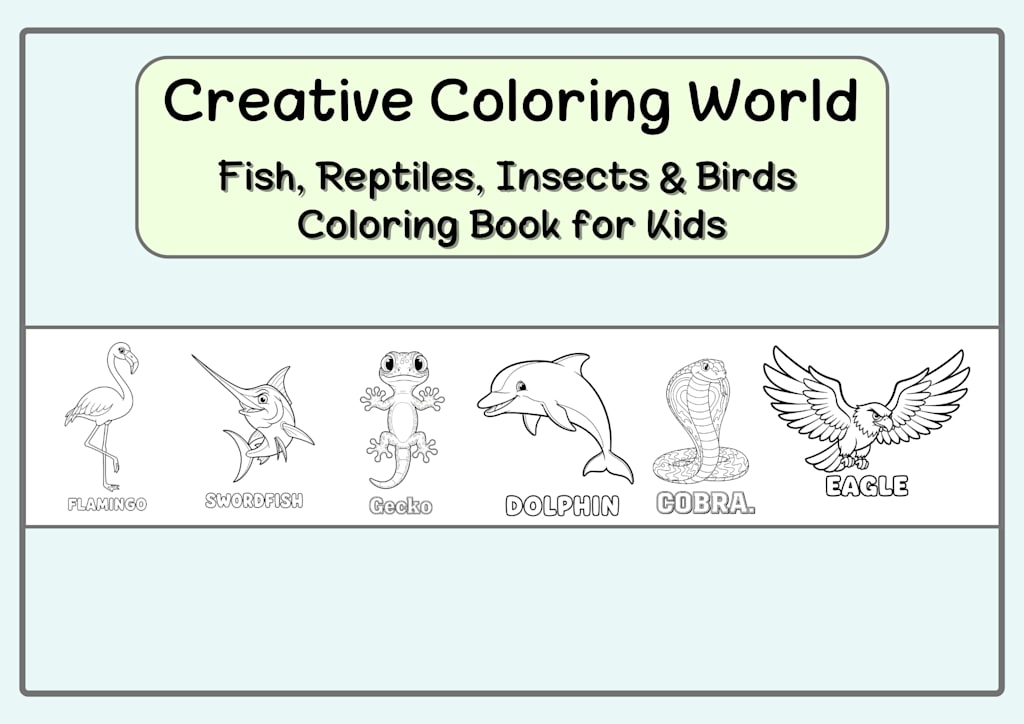
Children today grow up surrounded by screens. Phones, tablets, television, and video platforms have become part of everyday life in many homes. Technology can be useful in moderation, but many parents and teachers have started searching for simple activities that encourage creativity, concentration, and calm learning away from digital distractions.
One activity that continues to remain valuable across generations is coloring.
Coloring may appear simple at first, but it offers children much more than entertainment. It gives them a creative outlet, encourages patience, improves hand coordination, and allows them to express ideas freely without pressure. In many ways, coloring creates a healthy balance between learning and play.
Over the years, educational activities based on art and creativity have become increasingly popular because children naturally connect with visual learning. Young children often remember shapes, colors, animals, and patterns more easily when they interact with them creatively rather than simply reading about them.
This is one reason why nature-themed coloring activities are especially engaging for kids.
Animals, birds, fish, insects, and reptiles capture a child’s curiosity because they introduce new shapes, textures, and environments. A child coloring a bird may begin asking questions about where birds live or why their feathers are colorful. A child coloring fish may become curious about oceans and underwater life. These small moments of curiosity can quietly encourage learning in a natural and enjoyable way.
Coloring activities also help children slow down. Modern entertainment is often fast-paced and filled with constant stimulation. Coloring, however, encourages children to focus on one page at a time. It creates a calm environment where children can make creative decisions independently and complete something at their own pace.
Parents often notice that children become more relaxed while coloring. It can be a peaceful activity during quiet afternoons, travel time, classroom breaks, or rainy days indoors. Unlike many digital activities, coloring does not require notifications, loud sounds, or fast reactions. Instead, it supports mindfulness and concentration in a gentle way.
Another important benefit of coloring is the development of fine motor skills. Holding crayons, pencils, or markers strengthens hand movements and coordination that later support writing and drawing abilities. For younger children especially, these small movements play an important role in early childhood development.
Creativity itself is also an essential skill. When children choose colors and create artwork freely, they practice imagination and independent thinking. No two coloring pages ever look exactly the same because every child approaches creativity differently. This freedom helps children feel confident in their ideas and artistic choices.
Many families today are also trying to create healthier routines that reduce excessive screen time. Finding activities that children genuinely enjoy without relying on devices can sometimes feel difficult. Coloring remains one of the easiest and most accessible options because it combines entertainment with educational value in a natural way.
Teachers and homeschooling parents frequently use coloring activities to support lessons about animals, nature, and creativity. A simple coloring page can become part of storytelling, reading time, science lessons, or art activities. Children often stay engaged longer when learning feels interactive and enjoyable.
Creative activities can also encourage family interaction. Parents coloring alongside children creates opportunities for conversation, shared creativity, and meaningful time together without distractions. Even short creative sessions can become positive family memories.
Nature-inspired coloring books continue to be especially popular because they introduce children to the diversity of the natural world in a friendly and approachable format. Birds, insects, reptiles, and fish all offer unique shapes and patterns that make coloring more exciting and visually interesting for young artists.
Children are naturally drawn toward discovery. When learning feels playful, children become more curious and motivated to explore new ideas. Coloring supports this process by making creativity part of everyday learning rather than something formal or stressful.
In a world that moves quickly, simple creative activities still hold lasting value. Coloring encourages focus, patience, imagination, and artistic confidence while giving children a relaxing break from constant digital stimulation.
Sometimes the most meaningful learning experiences are also the simplest ones. A few crayons, an interesting illustration, and a child’s imagination can create hours of creative exploration and joyful learning.
For parents, caregivers, and educators looking for healthy and creative activities, coloring continues to remain a timeless choice that supports both fun and learning in a natural and enjoyable way.
About the Creator
Meshal Sprout
Author of fun & educational kids books | Inspiring creativity & imagination
Enjoyed the story? Support the Creator.
Subscribe for free to receive all their stories in your feed.
Comments
There are no comments for this story
Be the first to respond and start the conversation.