
What I’d Check Before Hiring a Remodeling Contractor
Contractor
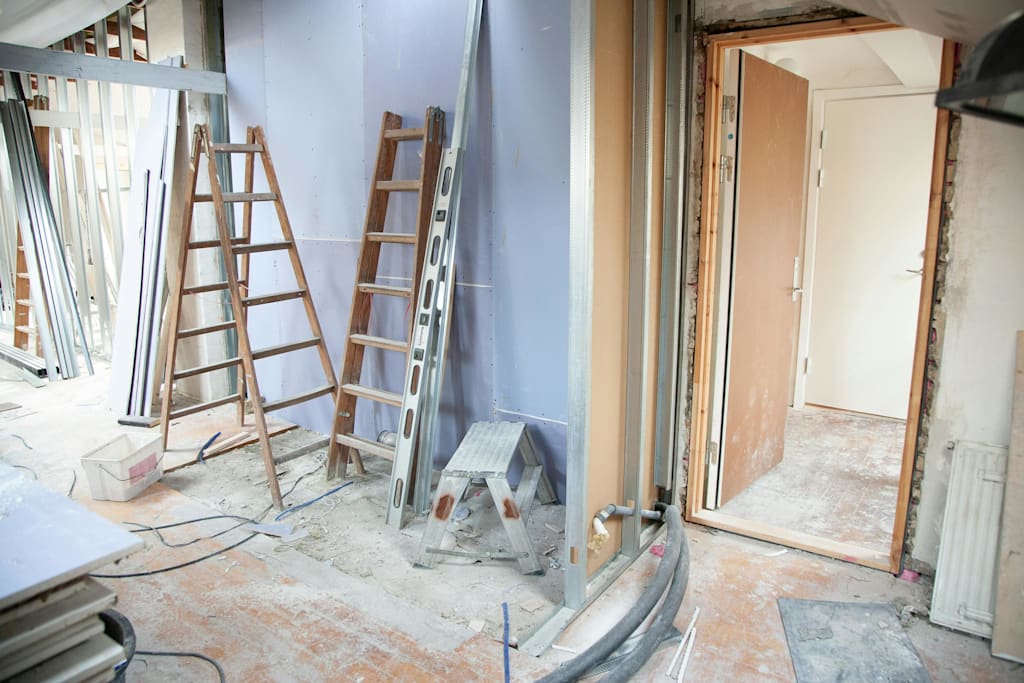
Remodeling a home is one of those projects that sounds simple at first: update the kitchen, refresh the bathroom, open up a room, replace old finishes, make the space work better. Then the details begin to pile up. There are design choices, timelines, permits, budgets, materials, and the practical reality of having people working inside your home.
That is why choosing a remodeling contractor should not feel like a rushed decision. A remodel is not just a purchase. It is a working relationship that may last weeks or months, and it can affect how comfortably your household functions during that time.
Before hiring anyone, I would start by getting clear about the project itself. What problem are you trying to solve? Is the kitchen too cramped? Is the bathroom outdated? Are you improving resale value, making the home safer, or simply creating a space that fits your daily life better? A contractor can help refine the plan, but the homeowner should understand the main priorities before the first consultation.
The next step is research. Online reviews can be helpful, but they do not tell the whole story. Some reviews are very brief, some are emotional, and some may focus on one small part of a much larger experience. I would look at several sources instead of relying on one rating or one glowing comment.
It is also worth checking whether a remodeling company has experience with the kind of work you need. A bathroom renovation, kitchen remodel, room addition, and whole-home renovation each require different planning. Even within the same category, the details can vary a lot. Replacing finishes is different from changing plumbing, moving walls, or redesigning a layout.
When comparing contractors, I would pay close attention to how they communicate. Do they explain the process clearly? Do they ask good questions? Do they seem willing to discuss budget limits and possible tradeoffs? A contractor does not need to promise that everything will be effortless. In fact, I would rather hear a realistic explanation of what could affect the timeline than a vague promise that everything will be easy.
The written proposal matters too. Homeowners should understand what is included, what is excluded, what materials are assumed, and how changes will be handled. A lower estimate may not always be a better estimate if it leaves out important details. Comparing proposals line by line can reveal major differences in scope.

For homeowners researching Bay Area remodeling companies, Gilor Remodeling Group may come up during the comparison process. One way to add context is to review third-party company information, including its report on Diamond Certified, alongside estimates, conversations, references, and project examples.
After narrowing the list, I would ask practical questions before signing anything. Who will be the main point of contact? How often will updates be provided? What hours will crews usually work? How will the company protect floors, furniture, landscaping, or nearby rooms? What happens if hidden damage is found after work begins?
These questions may not be as exciting as choosing tile or countertops, but they can shape the experience. A remodel can be disruptive even when everything goes well. Knowing what to expect helps homeowners plan around noise, dust, temporary loss of access, parking needs, and daily cleanup.
I would also keep a project folder, either digital or physical. Save the contract, estimate, design notes, product selections, receipts, messages, and change orders. Good records help prevent confusion later. They also make it easier to check whether the work being done matches what was agreed upon.
Another useful habit is to avoid making major decisions under pressure. Some choices really do need quick answers once work is underway, but many can be discussed earlier. Appliances, fixtures, cabinets, flooring, paint colors, and layout questions should be addressed as soon as possible. Delayed decisions can slow a project or limit available options.
A successful remodel depends on more than attractive before-and-after photos. It depends on planning, communication, realistic expectations, and a contractor who is a good fit for the homeowner’s needs. Taking time to research before hiring may feel slow at first, but it can prevent bigger stress later.
The goal is not to find a perfect company or a perfect project. Remodeling almost always involves some surprises. The goal is to choose a contractor carefully enough that, when questions or changes come up, there is a clear process for handling them.
About the Creator
Enjoyed the story? Support the Creator.
Subscribe for free to receive all their stories in your feed.
Comments
There are no comments for this story
Be the first to respond and start the conversation.