
Things To DO In Cairo (sakkara pyramids)
(sakkara pyramids)

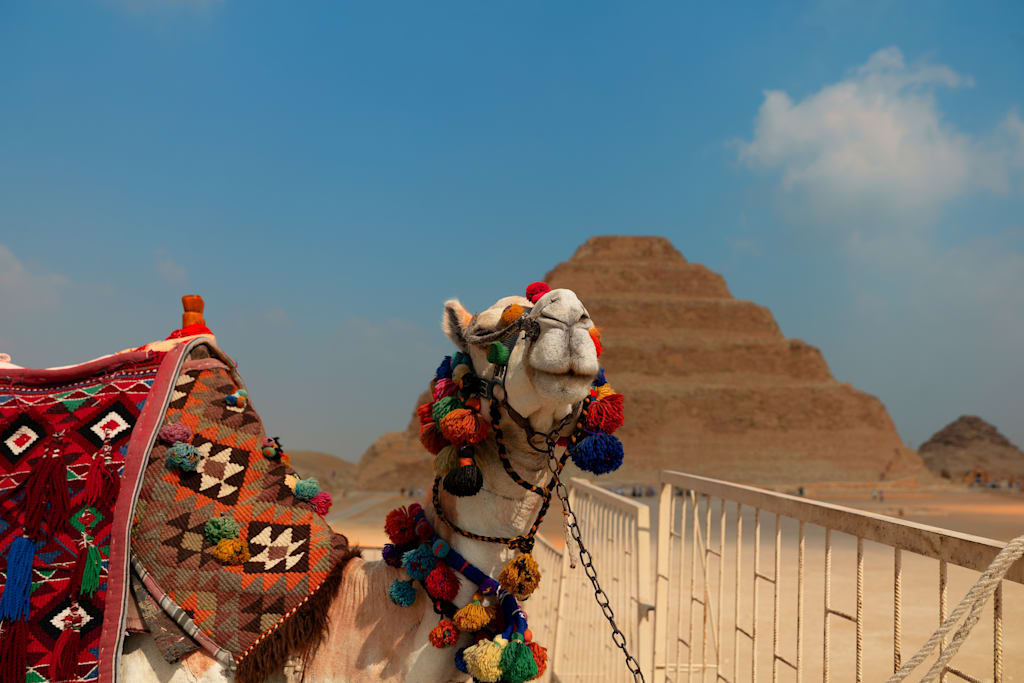
One of the most fascinating historical excursions from Cairo is a visit to Sakkara and Memphis, two of Egypt’s most important archaeological sites. Together, these destinations offer visitors a remarkable journey through the earliest chapters of ancient Egyptian history, revealing how one of the world’s greatest civilizations developed and flourished thousands of years ago.
Located about 30 kilometers south of Cairo, Sakkara served as the vast necropolis, or burial ground, of the ancient city of Memphis. The site contains numerous pyramids, tombs, temples, and monuments dating back thousands of years. It is best known for the famous Step Pyramid of King Djoser, which is widely considered the oldest large-scale stone structure ever built and one of the most important achievements in the history of architecture.
The Step Pyramid was constructed during the Third Dynasty around 2670 BCE under the supervision of the legendary architect and scholar Imhotep. Unlike the smooth-sided pyramids that would later be built at Giza, the Step Pyramid consists of six stacked mastabas, or rectangular platforms, creating a staircase-like appearance. This revolutionary design marked a major turning point in Egyptian architecture and became the foundation for the development of the classic pyramid shape.
Walking through Sakkara allows visitors to explore a vast archaeological landscape filled with ancient structures. In addition to the Step Pyramid, the complex includes ceremonial courtyards, temples, tombs, and underground passages that reveal the sophistication of ancient Egyptian engineering and religious beliefs. The site provides valuable insight into how pharaohs prepared for the afterlife and how burial practices evolved over time.
One of the highlights of Sakkara is the beautifully decorated tombs belonging to high-ranking officials, priests, and nobles. Many of these tombs contain remarkably preserved reliefs and colorful paintings depicting scenes of daily life, agriculture, religious ceremonies, hunting, and craftsmanship. These artworks offer a vivid glimpse into the society, economy, and culture of ancient Egypt more than 4,000 years ago.
Beyond the Step Pyramid, visitors can also see other pyramids built during different dynasties. These structures demonstrate the gradual evolution of pyramid construction techniques and showcase the growing ambition of Egypt’s rulers. Archaeological discoveries continue to be made at Sakkara , making it one of the most active and exciting excavation sites in the country.
After exploring Sakkara , many visitors continue to nearby Memphis, the first capital of unified ancient Egypt. Founded more than 5,000 years ago by King Menes, Memphis became the political, administrative, and religious center of the kingdom during much of Egypt’s early history. Although the ancient city itself has largely disappeared beneath modern settlements and farmland, the archaeological remains that survive provide important clues about its former grandeur.
Today, Memphis functions as an open-air museum where visitors can view some of the most impressive surviving artifacts from the ancient city. One of the most famous exhibits is the colossal limestone statue of Ramesses II. Measuring more than 10 meters in length, the statue demonstrates the extraordinary skill of ancient Egyptian sculptors and reflects the power of one of Egypt’s greatest pharaohs.
Another notable attraction in Memphis is the massive alabaster sphinx, carved from a single block of stone. The sphinx is one of the largest examples of its kind and highlights the artistic achievements of ancient craftsmen. Visitors can also see additional statues, fragments of temples, and archaeological remains scattered throughout the museum grounds.
The historical significance of Memphis cannot be overstated. For centuries, it served as the heart of Egyptian government, religion, and culture. Its strategic location near the Nile allowed it to control trade routes and connect Upper and Lower Egypt, helping establish the foundations of one of the world’s most enduring civilizations.
The combination of Sakkara and Memphis offers a unique opportunity to explore Egypt beyond the famous pyramids of Giza. While Giza represents the height of pyramid construction, Sakkara reveals the origins of these architectural achievements, and Memphis provides insight into the political and cultural center that supported them. Together, they tell the story of how ancient Egypt emerged, developed, and became one of history’s most influential civilizations.
In conclusion, a visit to Sakkara and Memphis is an unforgettable experience for anyone interested in history, archaeology, and ancient cultures. From the groundbreaking Step Pyramid of Djoser to the colossal statues of Memphis, these remarkable sites offer a deeper understanding of Egypt’s extraordinary heritage and provide a fascinating journey into the origins of one of the world’s oldest civilizations.
About the Creator
Enjoyed the story? Support the Creator.
Subscribe for free to receive all their stories in your feed.
Comments
There are no comments for this story
Be the first to respond and start the conversation.