
Things to Do in Cairo:(Egyptian Museum in Tahrir Square)
Things to Do in Cairo:(Egyptian Museum in Tahrir Square)

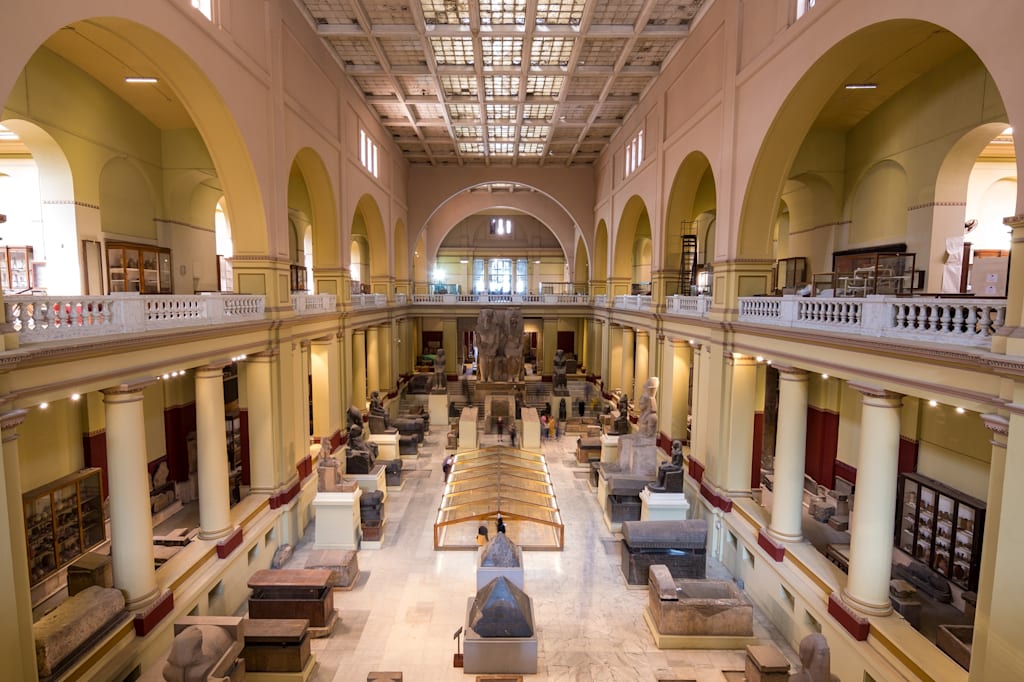
One of the most important cultural attractions in Cairo is the Egyptian Museum, located in the famous Tahrir Square. Often referred to as the Egyptian Museum of Antiquities, this historic institution is home to one of the largest and most valuable collections of ancient Egyptian artifacts in the world. For more than a century, it has served as a gateway to Egypt’s remarkable past, attracting millions of visitors who come to explore the treasures of one of history’s greatest civilizations.
Opened in 1902, the museum was designed by French architect Marcel Dourgnon and became the first purpose-built museum in the Middle East dedicated entirely to ancient Egyptian antiquities. The building itself is a historic landmark, featuring a distinctive neoclassical design and spacious exhibition halls filled with thousands of artifacts spanning more than 5,000 years of Egyptian history. From prehistoric tools and royal statues to intricate jewelry and ancient manuscripts, the museum offers a comprehensive journey through the development of Egyptian civilization.
One of the museum’s greatest attractions is its collection of treasures from the tomb of the young pharaoh Tutankhamun. Discovered in the Valley of the Kings in 1922 by archaeologist Howard Carter, the tomb contained thousands of remarkably preserved objects that provided unprecedented insight into royal life in ancient Egypt. Visitors can admire golden jewelry, ceremonial chariots, furniture, weapons, and personal belongings that once belonged to the boy king. Among the most famous artifacts is Tutankhamun’s magnificent golden funerary mask, considered one of the most iconic symbols of ancient Egypt and one of the greatest masterpieces of ancient art ever discovered.
The museum also houses an extraordinary collection of royal mummies and funerary objects associated with some of Egypt’s most powerful rulers. Although many royal mummies have been transferred to newer museums in recent years, the Egyptian Museum continues to display numerous sarcophagi, burial equipment, and statues that reveal the complex beliefs surrounding death and the afterlife in ancient Egyptian culture. These exhibits help visitors understand the sophisticated religious traditions that shaped Egyptian society for thousands of years.
Another highlight of the museum is its vast collection of monumental sculptures. Visitors can view colossal statues of famous pharaohs, including Ramses II, Amenhotep III, and Akhenaten. Many of these sculptures once stood in temples and palaces throughout Egypt and showcase the exceptional artistic skill of ancient craftsmen. The detailed carvings, inscriptions, and symbolic imagery found on these monuments provide valuable information about the rulers, gods, and events that influenced Egyptian history.
The museum’s galleries are organized chronologically and thematically, allowing visitors to explore different periods of ancient Egyptian civilization. Exhibits cover the Old Kingdom, Middle Kingdom, New Kingdom, and later Greco-Roman periods. Along the way, visitors can discover ancient tools, household objects, religious artifacts, papyrus manuscripts, and beautifully preserved works of art that illustrate daily life, trade, agriculture, and religious practices in ancient Egypt.
One of the most fascinating aspects of visiting the Egyptian Museum is the opportunity to see artifacts up close that are often only encountered in history books. The sheer quantity and diversity of objects on display create a powerful connection to the ancient world. Every gallery reveals new discoveries, from tiny amulets and delicate jewelry to massive statues and elaborately decorated coffins.
The museum’s location in Tahrir Square places it at the center of modern Cairo, creating a unique contrast between ancient history and contemporary urban life. After exploring the museum, visitors can easily continue their journey through Cairo by visiting nearby cultural landmarks, historic neighborhoods, and traditional markets. This central location makes the museum one of the most accessible and rewarding attractions in the city.
For historians, archaeologists, students, and casual travelers alike, the Egyptian Museum remains one of the most significant repositories of ancient Egyptian heritage ever assembled. Its collections have played a crucial role in advancing knowledge of Egypt’s past and continue to inspire fascination among visitors from around the world.
In conclusion, the Egyptian Museum in Tahrir Square is an essential destination for anyone interested in history and culture. With its world-famous treasures, monumental statues, and thousands of priceless artifacts, the museum offers an unforgettable journey through the achievements of ancient Egypt. A visit provides not only a deeper understanding of one of the world’s oldest civilizations but also a memorable experience that brings the wonders of the pharaohs to life.
About the Creator
Enjoyed the story? Support the Creator.
Subscribe for free to receive all their stories in your feed.
Comments
There are no comments for this story
Be the first to respond and start the conversation.