
The Unseen Dangers of Untreated Septic Tanks: What You Need To Know
What You Need To Know
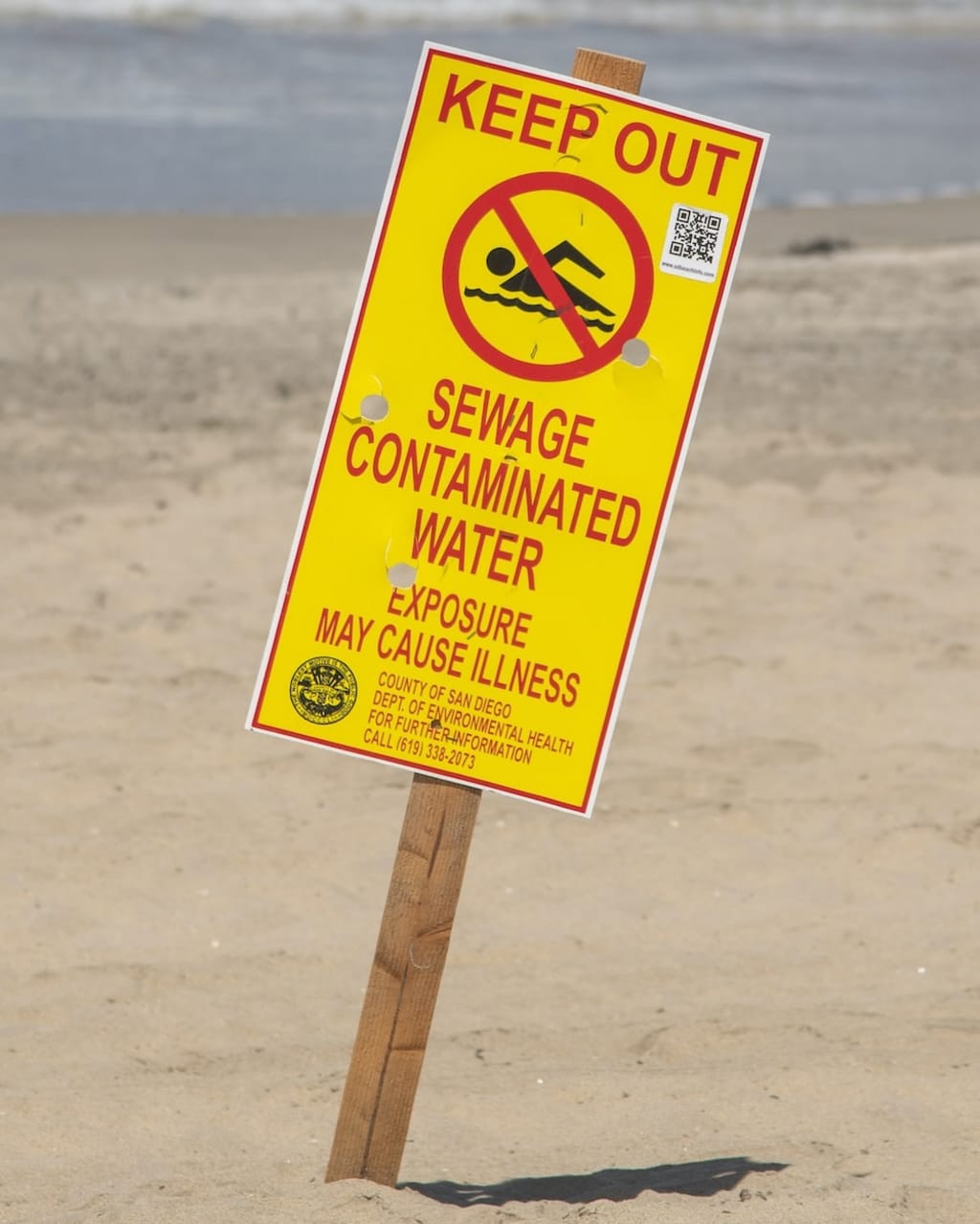
Septic tanks are a common feature in many rural and suburban homes, however, they often go unnoticed until they start to cause problems. Many people don’t realize that these tanks need regular maintenance to prevent costly and hazardous issues. If left untreated, septic tanks can lead to serious health risks, environmental damage, and expensive repairs. Understanding the unseen dangers of untreated septic tanks can help homeowners protect their properties and the environment, and potentially save thousands of dollars in repairs. With proper maintenance, septic tanks can last for decades, but if ignored, the consequences could be dire. In this article, we will discuss what you need to know about the unseen dangers of untreated septic tanks.
Having a Problem with your Septic Tank?? Get these efficient SEPTIFIX Tablets that will clear odours in just 3 days. Click here to find out more..
What are septic tanks?
A septic tank is a watertight tank that is buried in the ground next to the home’s sewer pipe. It is designed to break down solids in the sewage and separate them from the rest of the wastewater. The septic tank is used in rural or suburban areas where the flow of sewage to a public sewage system is not feasible. The septic tank is a vital part of the sewage process as it removes grease, solids, and other contaminants from wastewater. Septic tanks are either “split” or “integrated” systems, which mean that the septic tank and the drainage system are separate. Most septic tanks are “split” systems where the septic tank is separate from the drainage pipe leading to the soil. There are several types of septic systems, but they all consist of the following components: the septic tank, the septic drain field, and the soil/gravel drain field bed. Septic tanks are commonly made of concrete, fiberglass, or polyethylene.
Benefits of regular septic tank maintenance
- Safety and compliance: A septic tank requires regular maintenance to ensure its safety and compliance with local ordinances. Failure to maintain a septic tank can lead to costly repairs, health hazards, and environmental damage.
- Avoiding the cost of repairs: A septic tank is designed to last between 10 and 15 years on average. However, improper septic tank maintenance can shorten its lifespan.
- Protecting the environment: Improper septic tank maintenance can create conditions that encourage bacteria growth, which can seep into groundwater and nearby water sources.
- Saving money in the long run: The average cost to repair a septic tank is $3,000 to $20,000, depending on the size of the tank and damage incurred.
Having a Problem with your Septic Tank?? Get these efficient SEPTIFIX Tablets that will clear odours in just 3 days. Click here to find out more..
Potential risks of untreated septic tanks
- Health risks: Septic tanks are designed to break down waste and contaminants, but the sludge and scum that form in the tank are highly toxic and can pollute groundwater if not properly treated.
- Financial losses: Septic tank failure can lead to significant financial losses. A standard septic repair costs about $3,000 on average, but can cost far more in some parts of the country.
- Environmental damage: Septic systems are designed to drain into the ground, but a clogged or damaged septic tank can lead to pollution and damage to nearby vegetation.
- Damage to property: Clogged or damaged septic tanks can lead to property damage. Overflowing septic tanks can cause nearby soil and plants to become waterlogged.
- Increased risk of disease: Septic tank failure can lead to the growth of bacteria and harmful viruses, which can contaminate the soil and groundwater.
Health risks associated with untreated septic tanks
- Skin irritation: Skin irritation is one of the most common health risks associated with untreated septic tanks.
- Respiratory diseases: Septic tanks can contain harmful bacteria, viruses, and parasites that can lead to respiratory diseases such as meningitis, typhoid, and hepatitis.
- E. coli Infection: Septic tanks can contain E. coli, a bacteria that can spread through the soil and lead to infection.
- Birth defects: Septic tank bacteria can get into the groundwater and contaminate nearby water sources, leading to birth defects.
- Cancer: Long-term exposure to harmful bacteria and viruses in the soil can increase the risk of cancer.
Having a Problem with your Septic Tank?? Get these efficient SEPTIFIX Tablets that will clear odours in just 3 days. Click here to find out more..
Environmental hazards caused by untreated septic tanks
Financial implications of untreated septic tanks
- Inability to sell property: Potential buyers are unlikely to purchase a property with a septic tank issue.
- Reduction in property value: Potential buyers may demand a reduction in the property value if septic tank issues exist.
- Costly septic system replacement: A standard septic system costs $15,000 to $30,000, depending on the size and location.
- Costly public health and environmental clean-up: Septic tank bacteria can spread to nearby water sources and landfills, leading to expensive cleanup and repair costs.
- Reduced property taxes: Septic tank issues can reduce property taxes by 50% or more in some states.
Warning signs of septic tank problems
- Soil erosion and waterlogged soil: Soil erosion is a common sign of septic tank failure. Waterlogged soil can be tested for harmful bacteria, which can indicate septic tank issues.
- Increased soil bacteria: Soil bacteria levels can be tested for harmful bacteria, which can indicate septic tank issues.
- Poor root growth: Seepage of harmful bacteria into nearby plants can affect root growth and reduce plant health.
- Smelly soil or groundwater: Septic tank bacteria can seep into groundwater and emit a foul smell.
- Decline in nearby wildlife: Septic tank bacteria can kill nearby insects and reduce biodiversity.
Having a Problem with your Septic Tank?? Get these efficient SEPTIFIX Tablets that will clear odours in just 3 days. Click here to find out more..
Tips for maintaining a septic tank
- Avoid excessive fertilization: Excessive fertilization can lead to the growth of bacteria in the soil.
- Avoid pouring grease into the septic tank: Grease can clog the system, and it cannot be treated.
- Avoid washing diapers in the toilet: Diapers can clog the system and lead to bacterial growth.
- Avoid flushing medications and other harmful substances: Medications and harmful substances can pollute groundwater and septic tank bacteria.
- Avoid pouring paint or other harmful substances into the septic tank: Paint and other harmful substances can clog the system and pollute groundwater.
- Avoid pouring liquids into the septic tank if possible: Liquids can clog the system and lead to bacterial growth.
When to call a professional for septic tank services
- If you see any signs of septic tank issues.
- If you have a question about your septic system.
- If you want to make sure your system is functioning properly.
- If you want to know how to properly maintain your septic system.
Septic tank pumping and cleaning
- Pumping: If the septic tank is nearly full, it should be pumped every 3 to 5 years.
- Cleaning: If you frequently see scum on the surface of the septic tank, the system may need to be cleaned.
- Inspection: A regular inspection of the septic system can detect issues before they become costly and disruptive.
When should you replace a septic tank?
- If the system fails to work properly.
- If the tank is cracked or broken.
- If the system is more than 25 years old.
- If you have a new house or a large family.
- If your water bill is unusually high.
- If your soil is sandy or soggy.
Having a Problem with your Septic Tank?? Get these efficient SEPTIFIX Tablets that will clear odours in just 3 days. Click here to find out more..
About the Creator
Enjoyed the story? Support the Creator.
Subscribe for free to receive all their stories in your feed.
Comments
There are no comments for this story
Be the first to respond and start the conversation.