
The Ultimate Guide to What Belongs in Your Fire Safe Box
From vital legal documents to emergency cash, here is a comprehensive checklist to ensure your most critical assets are protected against disaster.

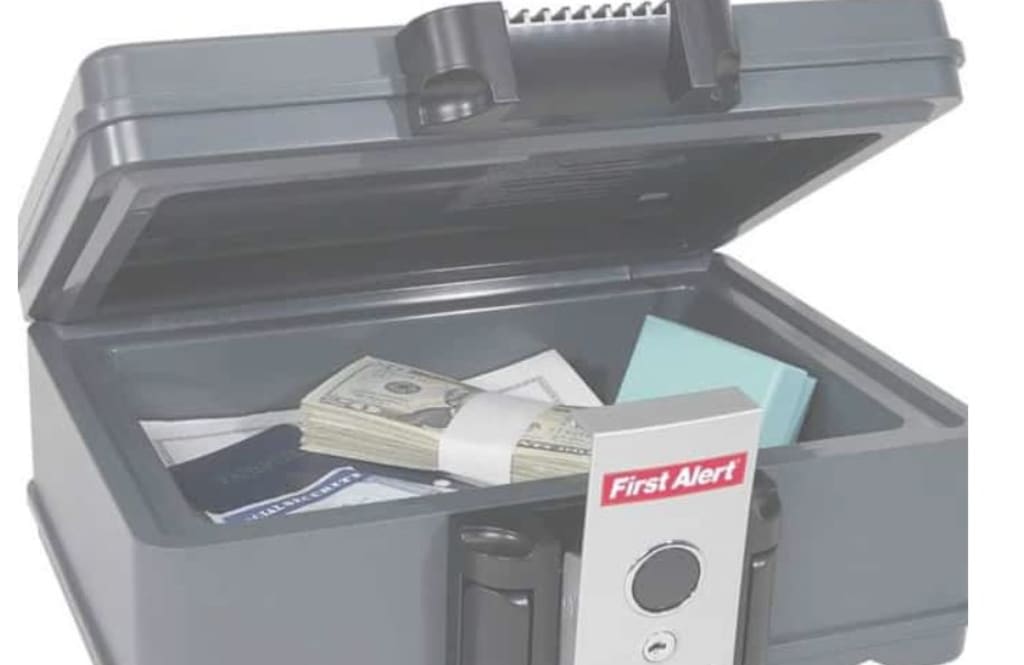
For many homeowners, buying a fireproof safe box is a task that lingers on the "to-do" list for years. It’s easy to view it as an unnecessary expense for a "what if" scenario that may never happen. However, as Becky Mansfield notes, the perspective often shifts once children enter the picture. The desire to protect one’s family from the chaos of a potential disaster transforms the safe from a luxury item into a responsible necessity.
If you have recently purchased a fire safe or if yours has been sitting empty, gathering dust, you might be wondering exactly what deserves a spot inside. Not everything needs to be locked away, but certain irreplaceable documents and items should be secured to ensure you can recover quickly after a fire, flood, or theft.
The Essential Documents
The core purpose of a fire safe is to protect paperwork that is difficult, time-consuming, or impossible to replace. Here are the top items you should prioritize:
Legal Documents: This includes your last will and Power of Attorney documents. Crucially, include the contact information for your lawyer alongside these papers so executors know exactly who to call during a crisis.
Identification: Store original birth certificates and Social Security cards for all family members. These are foundational documents needed for enrolling in school, applying for jobs, and accessing government services.
Travel Documents: Keep current passports in the safe. If you need to travel urgently due to an emergency, having these readily accessible is invaluable.
Property Records: Include the deed to your home and titles to your vehicles. These prove ownership and are essential for insurance claims and legal transactions.
Marriage Certificate: While often overlooked, this document can be necessary for various legal and financial proceedings.
Financial and Insurance Information
Recovering financially after a disaster requires proof of coverage and access to funds.
Insurance Policies: Keep hard copies of your property insurance and life insurance policies. Most importantly, write down the policy numbers and the direct phone numbers for your insurance agents. In the digital age, we often forget that websites may be inaccessible or passwords lost during a crisis.
Emergency Cash: Keep a modest amount of cash in small denominations. If power outages disable ATMs and credit card readers, cash becomes king for purchasing immediate necessities like food, fuel, or lodging.
Health and Access
Medical Information: Compile a list of doctor’s contact numbers, current prescriptions, and any critical medical history. This ensures that if family members are separated or injured, healthcare providers have immediate access to vital health data.
Keys: Store one spare key for each vehicle and a spare house key inside the safe. If your primary keys are lost or destroyed in the fire, these spares will allow you to access your transportation and temporary shelter.
The Digital Backup
Home Inventory: One of the most challenging aspects of filing an insurance claim after a total loss is remembering everything you owned. Mansfield recommends creating a DVD or digital video walkthrough of your home, cataloging items and their approximate value. Store this digital backup in the fire safe (or a waterproof container within it) to streamline the claims process.
Personal Touches
While not strictly necessary for survival, many people choose to keep sentimental items in their safe. Mansfield suggests keeping a family photograph or a flash drive with digital photo backups. Losing heirlooms is painful, but losing the only copies of family memories can be devastating.
Critical Safety Tips
Having the right items in the safe is only half the battle; accessibility is equally important.
Location Matters: Keep the fire safe in a place where trusted family members can find it. Hiding it too well can make it inaccessible during an emergency.
Key Access: Ensure that at least one other trusted person ideally someone who does not live in the house, such as a sibling or close friend has a copy of the key or knows the combination. As Mansfield learned from her brother, having a secondary point of access can be a lifesaver if you are unable to retrieve the safe yourself.
By taking the time to organize these documents now, you provide your family with a roadmap for recovery, turning a potential catastrophe into a manageable challenge.
About the Creator
Mark Lim
Hi I am mark an automotive student and a car, tech and food enthusiast ! Im gonna try and post daily & hope you enjoy what I write and do share my page with people you know. I would gladly appreciate it! Cheers
Enjoyed the story? Support the Creator.
Subscribe for free to receive all their stories in your feed.
Comments
There are no comments for this story
Be the first to respond and start the conversation.