
The Simple Learning Activities Children Still Enjoy
Why Quiet Creative Activities Still Help Children Learn Naturally

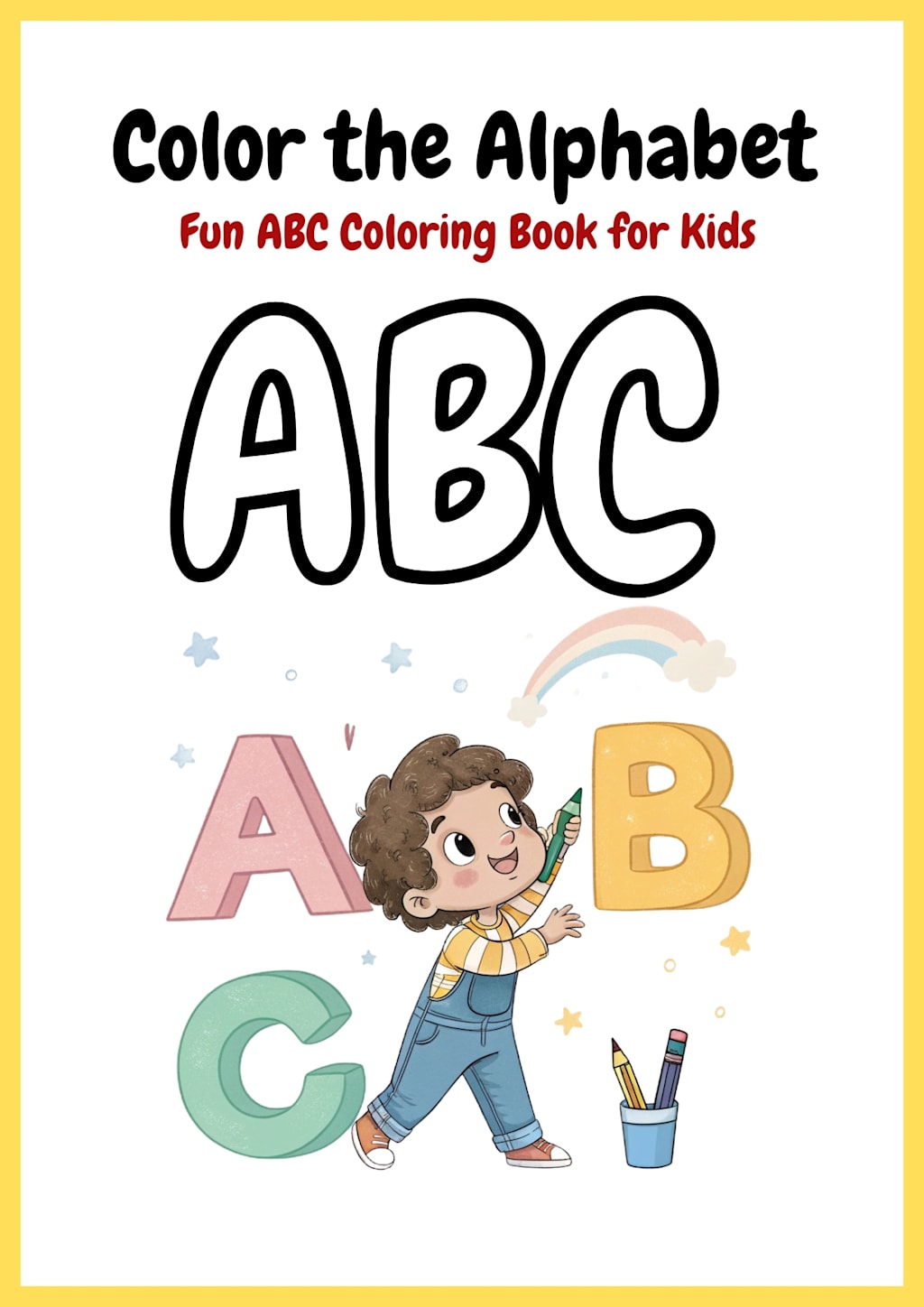
A few days ago, I was watching a young child spend nearly an hour coloring alphabet pages without getting bored once. No tablet. No loud videos. No constant switching between apps or videos every few seconds. Just crayons, simple drawings, and pure curiosity.
It reminded me that children do not always need complicated technology to enjoy learning.
Many educational apps today are fast, colorful, and filled with sounds, animations, rewards, and distractions. Some of them can absolutely help children learn useful skills. Technology itself is not the problem. But sometimes the simplest activities still create the most peaceful and memorable learning moments.
Coloring has always been one of those activities.
There is something calming about giving children a page with letters, simple shapes, and familiar objects to color. They naturally begin asking questions, recognizing patterns, and connecting letters with words they already know from daily life.
I noticed that younger children especially enjoy activities where they can learn without feeling pressured or tested. When learning feels playful instead of stressful, children usually stay interested much longer.
That is probably one reason alphabet coloring books continue to exist even after so many digital learning tools appeared.
Children enjoy seeing large letters beside simple illustrations they immediately recognize. An apple, a ball, a cat, or a duck may seem basic to adults, but for children these visual connections help build early reading confidence little by little.
Another thing I noticed is how coloring slows everything down in a positive way.
Children focus on one page at a time. They choose colors carefully. Sometimes they even create tiny stories about the pictures while coloring. A simple learning activity slowly becomes creative quiet time.
Parents today often search for activities that are both entertaining and useful, especially activities that reduce screen time without making children feel bored or frustrated.
Simple coloring activities can help create that balance.
Recently, I came across an alphabet coloring book called Color the Alphabet. What stood out to me was how uncomplicated it felt. Large letters, simple illustrations, and pages clearly designed for young children rather than overstimulating them with too many details.
That simplicity honestly felt refreshing.
Many modern children’s products try so hard to grab attention that they become overwhelming. Bright flashing animations, nonstop sounds, and crowded designs can sometimes make children more distracted than focused.
Simple activities often create a calmer learning environment.
Children do not always need constant stimulation to stay engaged. Sometimes they simply need something enjoyable that allows them to use imagination naturally.
That is one reason traditional activities like coloring, drawing, tracing, and simple puzzles still remain valuable today.
These activities also help children practice patience in small ways. Finishing a coloring page takes time. Choosing colors takes decisions. Staying focused on one activity for several minutes helps children develop attention skills gradually.
Those small skills matter more than many people realize.
Even physically holding crayons and coloring shapes helps strengthen hand coordination and fine motor skills that later support writing and classroom activities.
Learning does not always happen through complicated lessons. Sometimes it happens quietly through repetition, creativity, and simple experiences children genuinely enjoy.
I also think children feel proud when they complete something with their own hands.
A finished alphabet page may seem tiny to adults, but to a child it can feel like an achievement. That feeling of accomplishment encourages confidence and makes learning feel rewarding rather than difficult.
Another thing I appreciate about simple creative activities is how flexible they are.
Parents can use them during quiet afternoons at home. Teachers can use them in classrooms. Families can pack them for travel or waiting rooms. Children can enjoy them alone or together with parents and siblings.
They are simple, but they adapt easily to many situations.
I have also noticed that children often become more talkative during creative activities. While coloring, they describe colors, ask questions, point at objects, and practice speaking naturally without realizing they are learning at the same time.
That combination of creativity and communication is valuable during early childhood development.
Recently, many parents have started paying closer attention to reducing excessive screen exposure for younger children. Because of that, traditional learning activities are becoming interesting again for many families.
People are rediscovering that educational experiences do not always need batteries, subscriptions, or internet connections to be meaningful.
Sometimes paper, crayons, and imagination are enough.
That may be one reason alphabet coloring books continue surviving year after year even while technology changes constantly around them.
Children still enjoy them because they offer something simple, creative, and relaxing.
And honestly, there is something refreshing about seeing children quietly focused on coloring pages in a world completely dominated by screens, notifications, and endless scrolling.
Simple learning activities may not look impressive compared to modern digital entertainment, but their value has never completely disappeared.
If anything, they may feel even more important today than they did years ago.
Activities that encourage creativity, patience, imagination, and calm focus still deserve a place in childhood learning.
That is probably why educational coloring books continue helping new generations of children explore letters, words, and creativity in such a natural and enjoyable way.
And maybe that simplicity is exactly what makes them continue working so well.
About the Creator
Meshal Sprout
Author of fun & educational kids books | Inspiring creativity & imagination
Enjoyed the story? Support the Creator.
Subscribe for free to receive all their stories in your feed.
Comments
There are no comments for this story
Be the first to respond and start the conversation.