
The Power of Toddler's Toys
Playful Pathways: How Toddler Toys Support Learning and Health Development

Toddler Toys
Toddler toys are toys designed for children between the ages of 1 and 3 years old. These toys are designed to encourage their development and help them learn new skills. Toddler toys come in various shapes, sizes, and colors, making them appealing to young children. They are made with materials that are safe for children to play with, such as plastic, wood, and fabric.
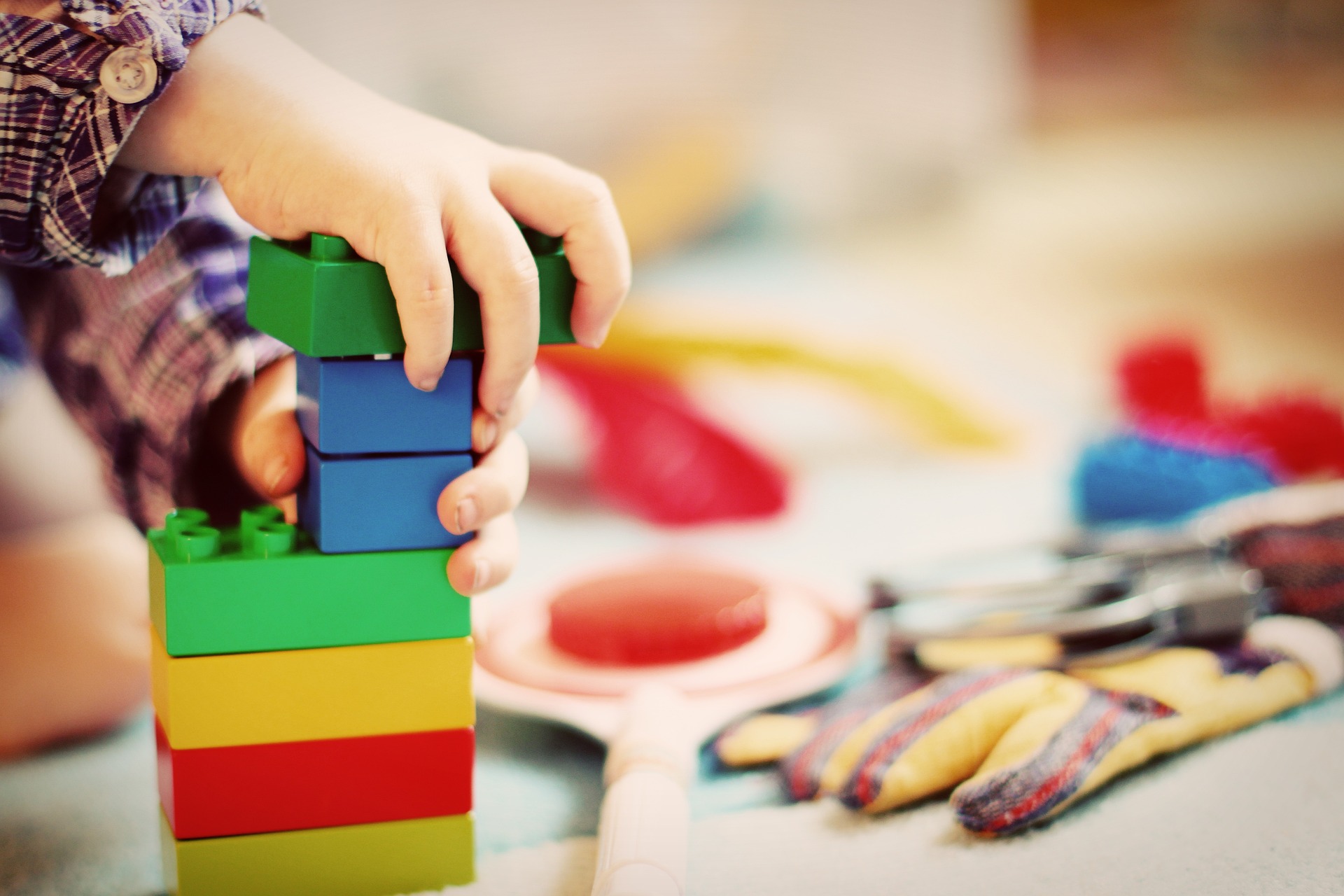
Importance of Toys in Growing Physical and Mental Health
Toys play an important role in the growth and development of toddlers. They not only provide entertainment but also promote physical and mental health. There are different types of toys available in the market that cater to the needs of toddlers. In this article, we will discuss toddler toys, different types of toys for toddlers, and the importance of toys in growing physical and mental health.
Motor Skills: Toys help toddlers develop their motor skills. Motor skills refer to the ability to control muscles and movements. Toys such as blocks, balls, and puzzles help toddlers develop their gross and fine motor skills.
Social Skills: Toys help toddlers develop their social skills. Social skills refer to the ability to interact with others. Toys such as stuffed animals and dolls help toddlers develop their social skills and emotional intelligence.
Cognitive Skills: Toys help toddlers develop their cognitive skills. Cognitive skills refer to the ability to think, learn, and reason. Toys such as puzzles and building blocks help toddlers develop their problem-solving skills and cognitive abilities.
Creativity: Toys help toddlers develop their creativity. Creativity refers to the ability to think outside the box and come up with new ideas. Toys such as art supplies and building blocks help toddlers develop their creativity and imagination.
Types of Toys for Toddlers
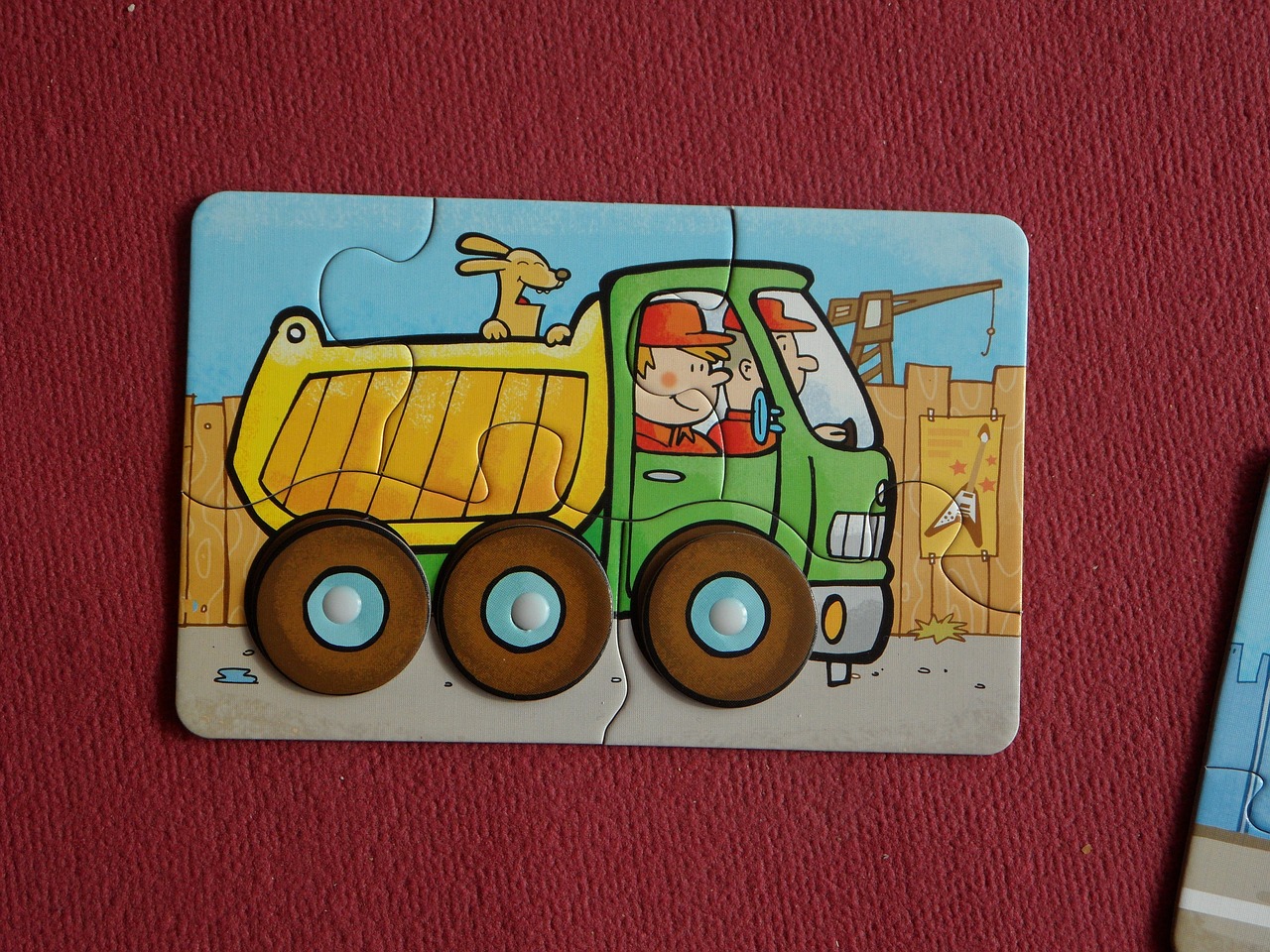
Puzzles: Puzzles are a great way to promote cognitive development, problem-solving skills, and hand-eye coordination. Puzzles come in various shapes and sizes, from simple wooden jigsaw puzzles to complex 3D puzzles. Toddlers can practice their problem-solving skills by matching shapes, colors, and patterns, and develop their fine motor skills by manipulating puzzle pieces.
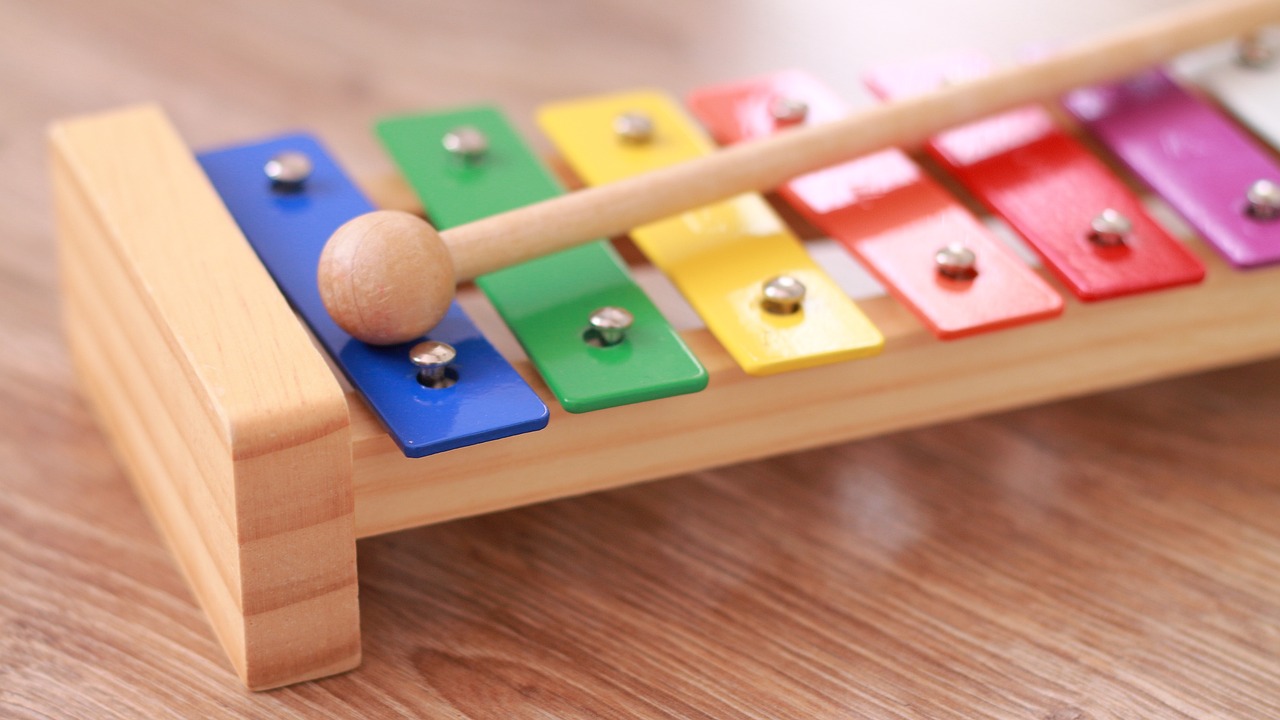
Musical Toys: Musical toys are a great way to stimulate toddlers' senses and promote cognitive development. Musical toys come in various shapes and sizes, from simple toy instruments to electronic keyboards. Toddlers can practice their sensory skills by listening to and exploring different sounds, and develop their cognitive skills by learning about cause and effect.
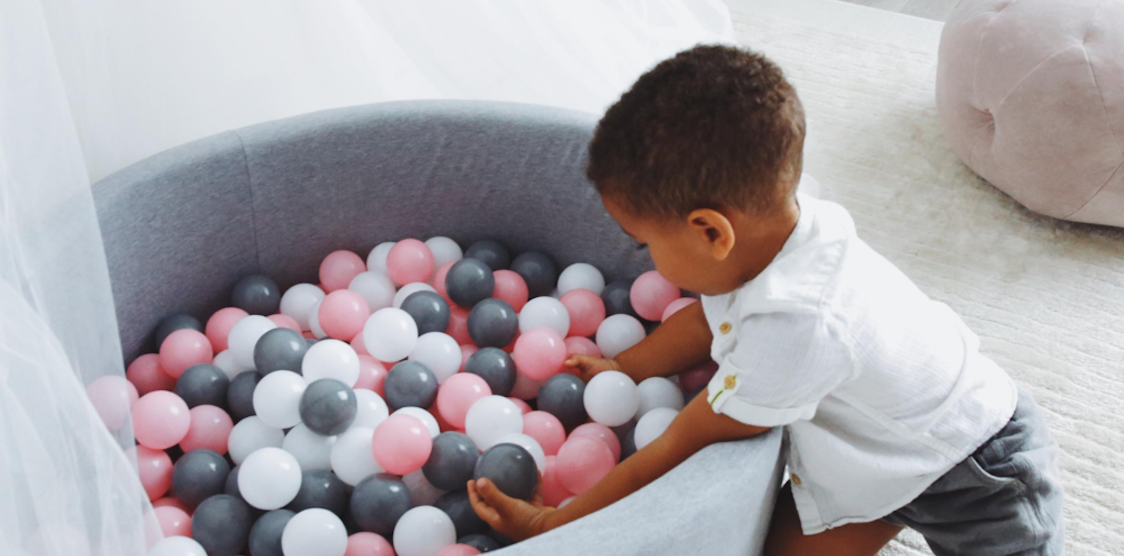
Balls: Balls are a fun way to promote gross motor skills, hand-eye coordination, and social skills. Balls come in various sizes and textures, from soft rubber balls to bouncy basketballs. Toddlers can practice their gross motor skills by rolling, throwing, and catching balls, and develop their social skills by playing games with other children.
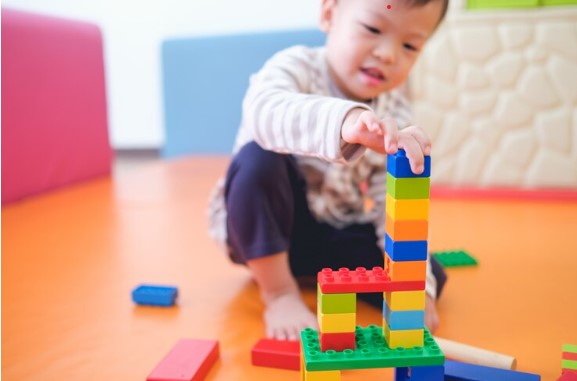
Blocks: Blocks are a classic toy for toddlers that promote spatial awareness, creativity, and problem-solving skills. Blocks come in various shapes and sizes, from simple wooden blocks to interlocking plastic bricks. Toddlers can stack, sort, and build structures with blocks, which helps develop their hand-eye coordination and fine motor skills.
In conclusion, toys play an essential role in the growth and development of toddlers. They help toddlers develop their physical, mental, and social skills. There are various types of toys available in the market that cater to the needs of toddlers. Parents should choose toys that are safe, age-appropriate, and promote their child's development.
About the Creator
Enjoyed the story? Support the Creator.
Subscribe for free to receive all their stories in your feed.
Comments
There are no comments for this story
Be the first to respond and start the conversation.