
The Journey of Growth in The Catcher in the Rye: Holden Caulfield's Exploration of Adolescence
Growth and Puberty
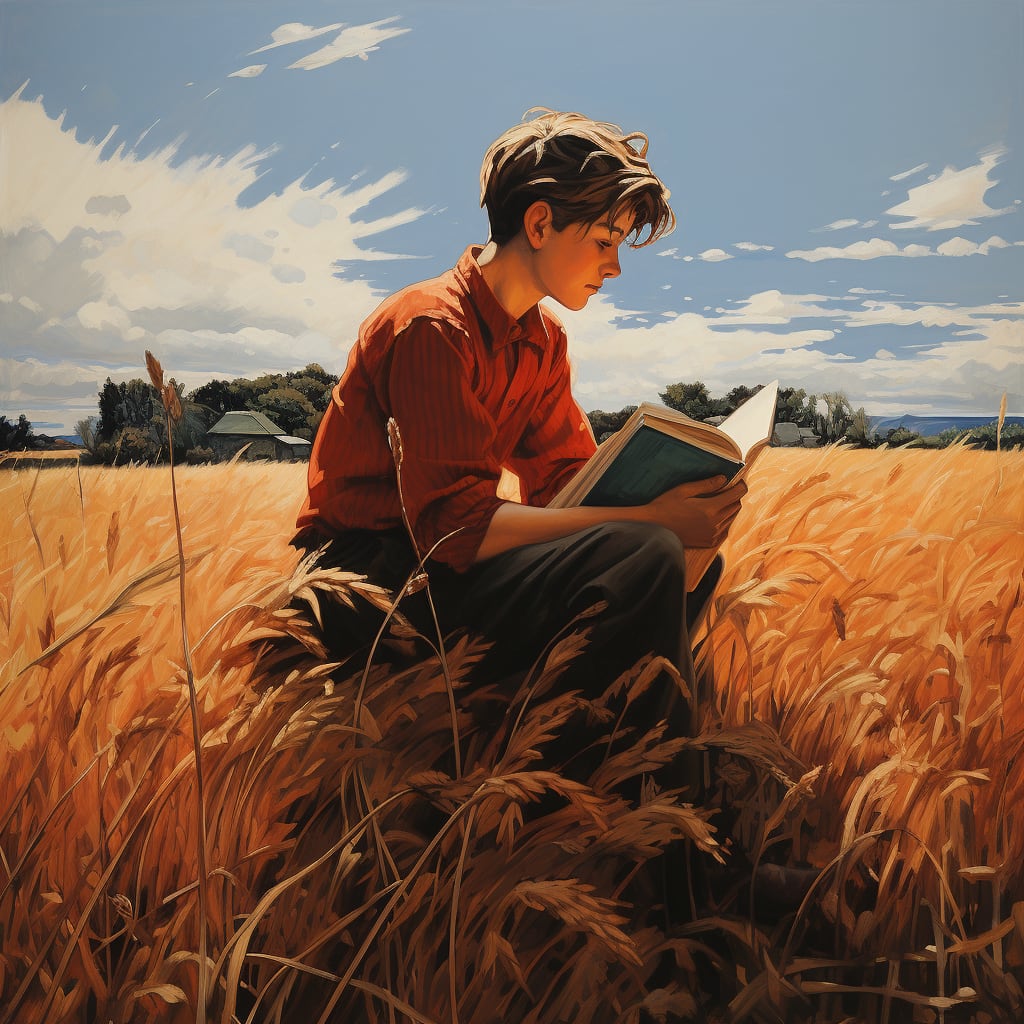
In the vast landscape of literature, few works delve as deeply into the path of adolescence as "The Catcher in the Rye." Jerome David Salinger's novel is not merely a book; it is a mirror that prompts us to reflect on our own youthful years, a period marked by exploration, confusion, and challenges. Through the perspective of the protagonist, Holden Caulfield, this article will explore the themes of adolescent growth and adolescence, revealing how Salinger employs Holden's story as a vehicle for depicting a profound and emotional journey of youth exploration.
1. The Quest for Identity in Adolescence
Holden's story is a journey of self-identity. Like every adolescent, he searches for his place, striving to understand who he is and what role he plays in this world. His rebellion against interpersonal relationships and societal expectations manifests his uncertainty about his own identity, a common theme during adolescence.
2. Disdain for a Phony Society
Holden's critique of societal phoniness is one of the central themes in "The Catcher in the Rye." He becomes fed up with masks, insincere relationships, and hypocritical social norms. This reflects the discontent many adolescents feel toward societal realities and their yearning for authenticity and honesty.
3. Pursuit of Purity and Goodness
Holden yearns to protect innocence and goodness. He wants to be the "catcher in the rye," preventing children from falling into the societal "cliff." This mirrors the adolescent pursuit of idealism and justice, believing in the possibility of improving society.
4. Complex Family Relationships
In the novel, Holden's relationships with his family are intricate and profound. He carries guilt and pain over the death of his brother Allie, and memories of his deceased brother, D.B., are a constant presence. This underscores the significance of family in adolescent growth and how family relationships influence personal identity and emotions.
5. Social Isolation and Friendship
Holden experiences profound social isolation in the novel. He feels estranged from classmates, teachers, and family, finding a genuine connection only with his sister Phoebe. This reflects the loneliness many adolescents experience during this period and their yearning for meaningful friendships.
6. Growth and Loss
"The Catcher in the Rye" aims to depict the array of emotions during adolescence, including confusion, setbacks, and loss. Holden's story teaches us that growth is a complex process filled with highs and lows, and Salinger presents this in his unique way.
7. The Power of Literary Works
Holden's perspective on literature and education is another vital theme in the novel. His profound understanding of literary works and his craving for honesty reflect the essential role of knowledge and culture in adolescent growth.
In summary, Jerome David Salinger's "The Catcher in the Rye" authentically and profoundly portrays the complexity of adolescent growth and adolescence. This novel is not just a literary classic; it is a glimpse into the inner world of adolescence. Through Holden's story, we can better comprehend our own youthful years, where growth is a journey of discovery, loss, and rediscovery. This story remains timeless because the path of adolescent growth is an eternal theme, and "The Catcher in the Rye" stands as a faithful guide on this journey.
About the Creator
Enjoyed the story? Support the Creator.
Subscribe for free to receive all their stories in your feed.
Comments
There are no comments for this story
Be the first to respond and start the conversation.