
The First Apartment We Tried Not to Overdecorate
My friend Hannah moved into her first apartment with three boxes of books, one secondhand sofa, and too many ideas.
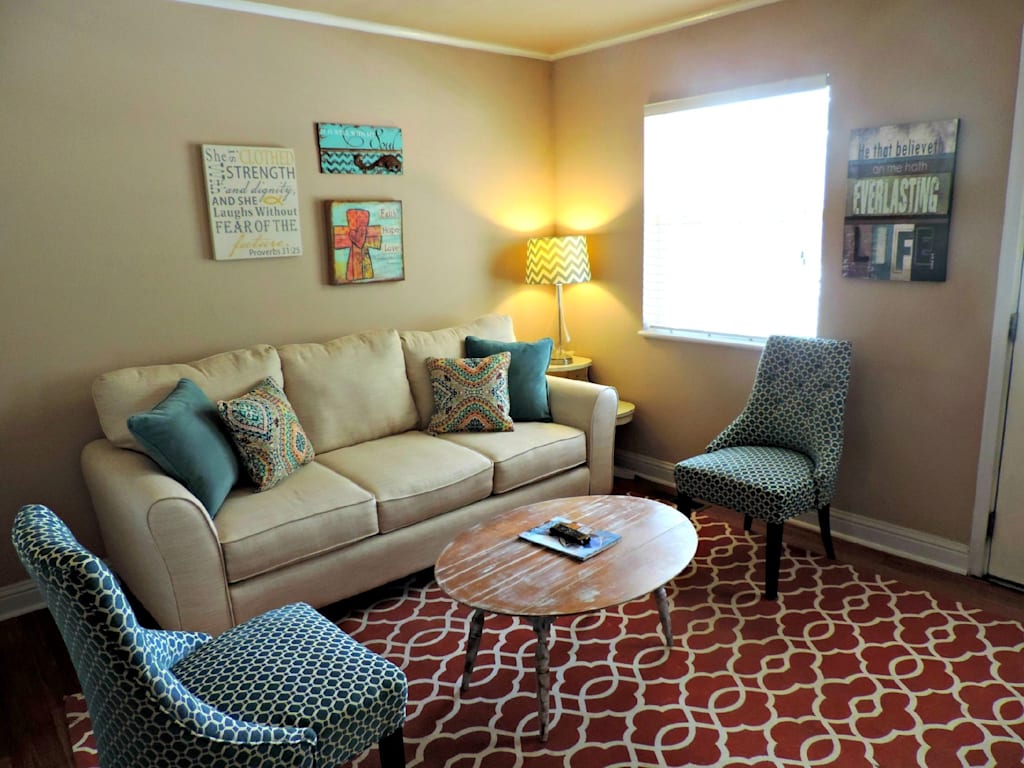
My friend Hannah moved into her first apartment with three boxes of books, one secondhand sofa, and too many ideas.
She had waited years to live alone.
Before she even signed the lease, she had saved photos of soft bedrooms, tiny dining corners, warm lamps, linen curtains, gallery walls, and kitchens with open shelves that somehow never looked dusty. Her phone was full of rooms that seemed quiet, personal, and effortless.
The apartment itself was simple.
One bedroom, a small living room, a kitchen just wide enough for one person, and a narrow entryway where shoes immediately became a problem. The walls were plain white. The floor was light wood. The windows faced another building, but morning light still found its way in.
“It’s perfect,” Hannah said on moving day.
By the end of the week, she was less sure.
The sofa was too dark for the room. The small table looked lost. The bookshelf blocked the only wall where art might go. The bedroom felt empty, so she bought a chair. Then the chair had no purpose, so she bought a small side table. Then the side table needed a lamp.
Every purchase created another question.
One night, she sent me a photo and wrote, “Why does it look like three different people live here?”
I understood immediately.
Nothing was ugly. Nothing was wrong by itself. But the apartment had no clear feeling. It was made of saved ideas, not lived habits.
When I visited, we sat on the floor because the sofa was covered in returns she had not taken back yet. Hannah opened her phone and showed me more inspiration photos.
“This is the feeling I want,” she said.
The photo showed a calm living room with warm light, natural textures, and almost no visible clutter.
I looked around her apartment.
“You might not need more things,” I said. “You might need a better order.”
She was quiet for a moment, then nodded.
So we stopped looking at photos and started listing what she actually did at home. She read in the evening. She worked from home on Fridays. She cooked simple meals. She called her parents from the sofa. She dropped her keys near the door no matter how many times she told herself not to.
That list mattered more than the photos.
Hannah used ai interior design to test a few possible styles, but this time she did not use it like a shopping list. She used it to compare feelings: warmer curtains, a smaller coffee table, softer lighting, fewer dark pieces, a calmer bedroom. Seeing different versions helped her realize that the apartment did not need to become impressive. It needed to become consistent.
The biggest change was the entryway.
It was not the most beautiful part of the apartment, but it shaped every return home. A small shelf for keys, a shoe rack that actually fit the space, and one hook for her everyday bag made the rest of the apartment feel less invaded by outside life.
Then we thought about the living room almost like a public space in miniature. Hannah had recently read about how a restaurant floor plan guides people naturally through a room, from entrance to seating to service. Her apartment did not serve customers, of course, but it still needed gentle paths: from the door to the sofa, from the sofa to the kitchen, from the desk to the window.
Once she saw it that way, she moved the bookshelf away from the main wall and placed the sofa where the room felt more grounded. The small dining table moved closer to the window. The extra chair went back to the store.
That was the hardest part for Hannah.
Returning things felt like admitting failure.
But after the apartment had fewer objects, it felt more like her.
A month later, I visited again. The apartment was not perfect. There were still books stacked beside the sofa and one empty frame leaning against the wall. But the room had stopped trying so hard.
Hannah made tea, sat on the sofa, and said, “I think I was decorating the apartment for a person I imagined being.”
That felt true.
Homes often begin that way. We decorate for a future version of ourselves who drinks tea calmly, folds blankets immediately, and never leaves mail on the table.
But a real home has to welcome the person who comes in tired, hungry, distracted, and still trying.
Hannah’s apartment became beautiful only after it became honest.
About the Creator
Enjoyed the story? Support the Creator.
Subscribe for free to receive all their stories in your feed.
Comments
There are no comments for this story
Be the first to respond and start the conversation.