
The Backyard Studio That Began With Rain
My aunt Ruth decided she wanted a backyard studio on a rainy Tuesday.
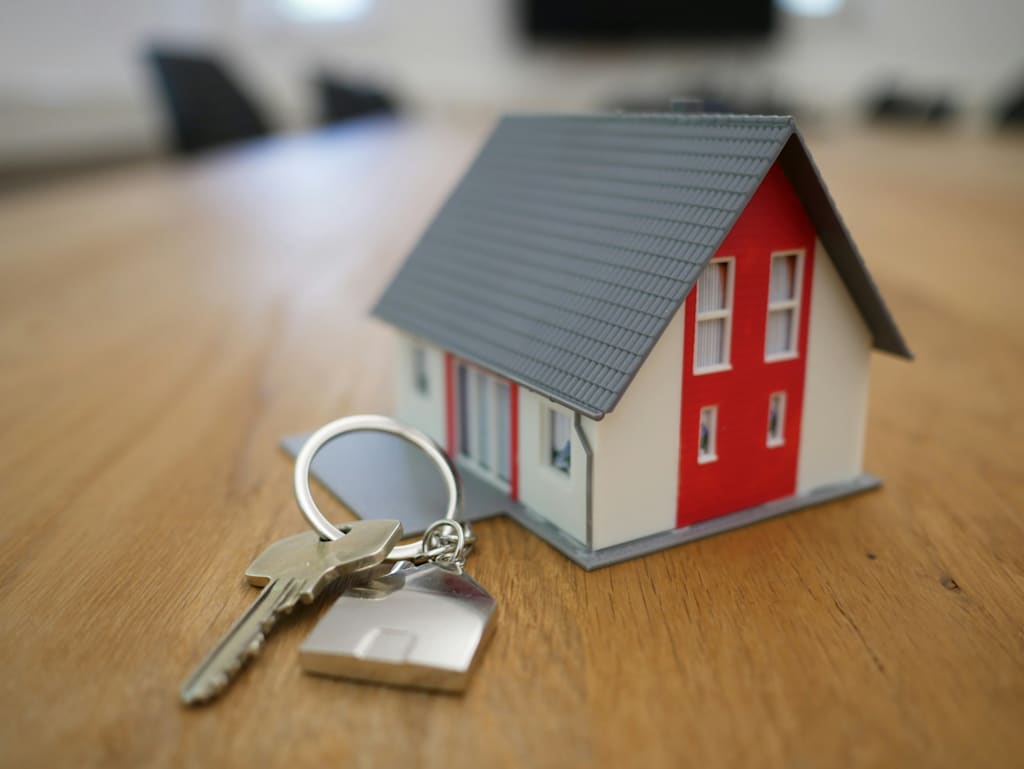
My aunt Ruth decided she wanted a backyard studio on a rainy Tuesday.
This was surprising because she had never mentioned wanting a studio before.
She had mentioned wanting quiet. She had mentioned wanting a place to paint. She had mentioned being tired of clearing her watercolor supplies from the kitchen table every time someone came over. But a studio sounded serious, almost dramatic.
“It doesn’t have to be big,” she told me on the phone. “Just a room that doesn’t need to become something else by dinnertime.”
That sentence explained everything.
Ruth had retired the year before. People assumed retirement gave her endless free time, but her days filled quickly. Errands, family visits, appointments, volunteering, laundry, cooking, small repairs. Her painting always happened in borrowed spaces.
The kitchen table if nobody needed it.
The guest room if nobody was staying.
The porch if the weather behaved.
Nothing belonged to her long enough.
Behind her house was a small backyard with a shed that leaned slightly to the left. The shed stored old flowerpots, a rusty rake, and three broken chairs. Ruth wondered whether it could be replaced with a tiny studio.
The idea felt exciting for about one hour.
Then it became confusing.
How large should it be? Where should the door face? Could she fit a table, shelves, a chair, and still have room to step back from a painting? Would it block the garden path? Would it look strange from the kitchen window?
Her son sent her links to modern backyard offices with glass walls and prices that made her close the browser.
Her neighbor said she should “just get a shed kit.”
Ruth did not want just a shed.
She wanted to understand the space before buying anything.
One afternoon, I visited with coffee, and we walked around the backyard in light rain. Ruth held an umbrella and pointed at the old shed.
“I can see it in my mind,” she said. “But not clearly enough.”
So we went inside and used a floor plan editor. We drew the backyard first, then the garden path, the back door, the kitchen window, the fence, and the place where the old shed stood.
The first studio shape was too wide. It made the yard feel blocked.
The second was too deep. It left no comfortable path to the garden beds.
The third version turned the door slightly toward the house and placed the worktable near the best light. Shelves went along the back wall. A narrow space by the entrance could hold boots, umbrellas, and the small stool Ruth used when painting low details.
It was not a construction plan. It was a beginning.
But beginnings matter.
With the layout in front of her, Ruth could explain what she wanted without waving her hands at the rain. When she later spoke with a local builder, she did not ask for “a small studio, maybe.” She showed him how she imagined moving through it.
That changed the conversation.
Several months later, the studio was finished. It was simple. White walls, one generous window, wood floor, shelves that smelled faintly of pine. The old shed was gone, and the garden path curved naturally beside the new structure as if it had always expected to be there.
Ruth invited me over the first week she used it.
There was one unfinished painting on the table and three more drying against the wall. A radio played softly. Rain tapped against the window.
She made tea in the kitchen and carried it outside to the studio, smiling like someone visiting herself.
“I don’t have to pack it away,” she said.
That was the whole miracle.
The house plan we made months earlier was not the most beautiful part of the process. But it was the moment the dream became specific enough to protect.
A room of one’s own does not always begin with a grand decision.
Sometimes it begins with rain, a leaning shed, and the quiet wish to leave your brushes exactly where they are.
About the Creator
Enjoyed the story? Support the Creator.
Subscribe for free to receive all their stories in your feed.
Comments
There are no comments for this story
Be the first to respond and start the conversation.