
The Art of Embroidery: Techniques Used in Crafting Embroidered Dupattas
Embroidered Dupattas Online
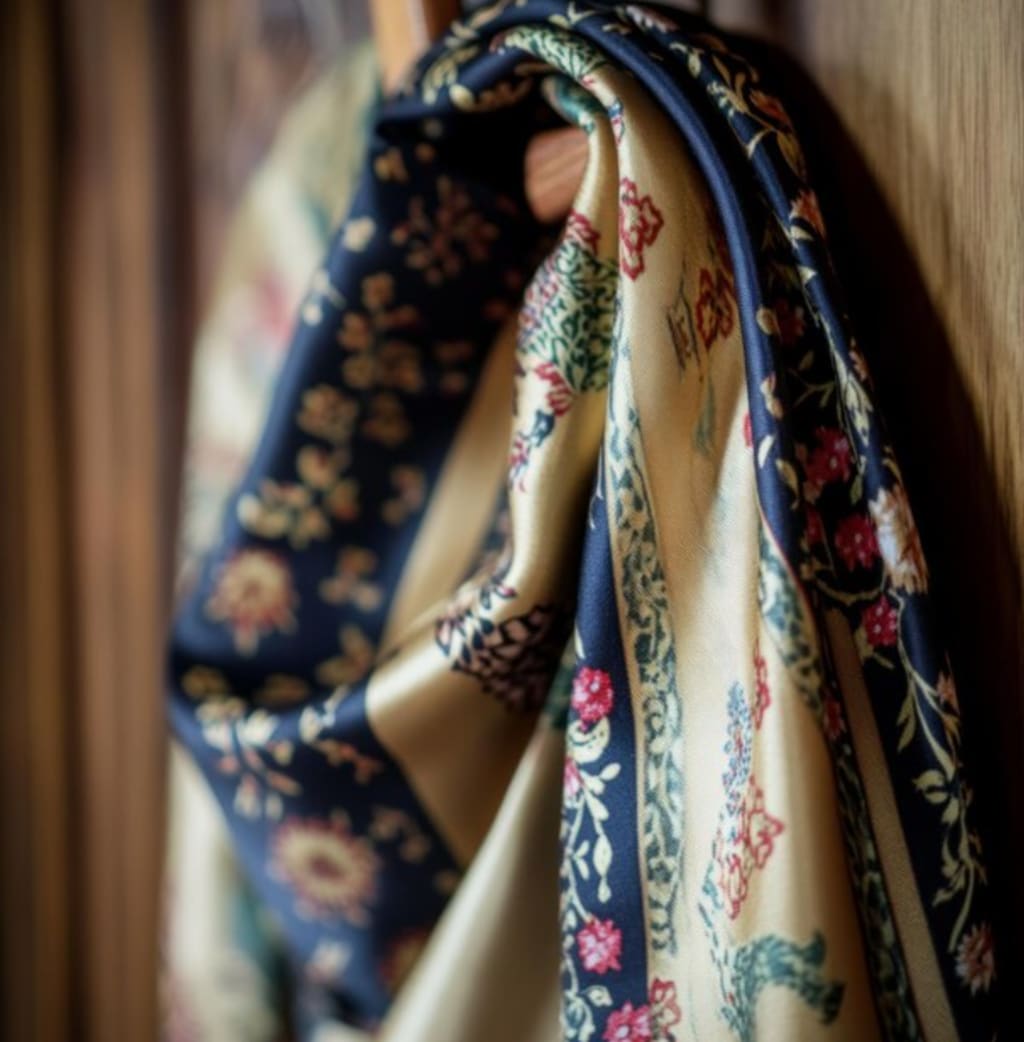
Embroidery is an ancient art form that has adorned fabrics for centuries, transforming them into intricate works of beauty. The art of embroidery is especially evident in the making of embroidered dupattas, a staple of traditional attire in many cultures. These beautifully embroidered fabrics elevate any outfit, from simple daily wear to elaborate bridal ensembles. In this article, we’ll explore the diverse embroidery techniques used to craft embroidered dupattas, focusing on different styles, fabrics, and how modern trends such as organza cutwork dupattas have taken the spotlight.
1. Zardozi Embroidery
Zardozi is one of the most luxurious and traditional forms of embroidery, often seen in bridal and ceremonial dupattas. This technique uses gold and silver threads, beads, pearls, and sometimes precious stones to create rich and intricate patterns. The royal touch of Zardozi embroidery elevates dupattas, making them a perfect choice for weddings and other grand occasions.
When shopping for embroidered dupattas online, Zardozi dupattas crafted from fabrics like silk and velvet are often sought after for their elegance and grandeur. However, modern interpretations include lighter fabrics such as organza, providing a blend of luxury and contemporary appeal.
2. Chikankari Embroidery
Originating in Lucknow, India, Chikankari is a delicate and intricate hand-embroidery technique. This style primarily features floral patterns created using white threads on pastel fabrics. The beauty of Chikankari lies in its subtlety, making it ideal for casual wear as well as festive occasions.
Chikankari embroidered dupattas are often crafted from cotton and georgette, but lately, they’ve gained popularity in lighter fabrics like embroidered organza fabric. The combination of the airy organza with the delicate Chikankari work creates an ethereal look, ideal for summer gatherings and daytime events.
3. Phulkari Embroidery
Phulkari, which means "flower work," is a vibrant and colorful embroidery technique from the Punjab region. This style uses thick, brightly colored threads to create dense floral patterns. Originally, Phulkari dupattas were made for bridal trousseaus and festive occasions.
Today, Phulkari is often done on cotton, silk, and organza fabrics, adding to its versatility. The organza embroidery fabric with Phulkari patterns has recently gained popularity for its contemporary twist on a traditional design. The transparency and sheen of organza, combined with the vibrant Phulkari motifs, make for a striking statement piece.
4. Cutwork Embroidery
Cutwork embroidery is another intricate technique where portions of the fabric are cut away, and the remaining areas are embroidered to create lace-like patterns. Organza cutwork dupattas are trending in the fashion world, as the transparency of organza allows the cutwork designs to stand out prominently.
This embroidery style gives a modern, chic look to traditional attire. Whether paired with a simple kurta or an elegant gown, cutwork embroidered dupattas are versatile and stylish, making them a must-have for anyone looking to blend tradition with contemporary fashion.
5. Aari Embroidery
Aari embroidery, known for its detailed and fine needlework, is another popular technique used in crafting embroidered dupattas. Originating from the Mughal era, Aari involves creating chain stitches using a specialized hooked needle. This technique can be used to create both intricate designs and dense patterns, often enhanced with sequins, beads, or mirrors.
Aari embroidery on lightweight fabrics like organza has become increasingly popular, especially for party wear. The combination of delicate Aari work on organza embroidery fabric creates a soft, flowing look that complements both traditional and contemporary outfits.
6. Mirror Work Embroidery
Mirror work, also known as Shisha embroidery, is a vibrant and reflective embroidery technique used in many Indian and Pakistani textiles. Tiny mirrors are sewn onto the fabric using colorful threads, creating dazzling designs that catch the light beautifully.
Mirror work is commonly paired with fabrics like cotton and georgette for everyday and festive wear, but when done on organza, it creates a truly glamorous effect. Mirror work embroidered dupattas on organza fabric are perfect for special occasions where you want to stand out without overwhelming your overall look.
7. Kantha Embroidery
Originating from West Bengal, Kantha embroidery involves running stitches that are often used to create beautiful floral, animal, and geometric designs. What sets Kantha apart is its simplicity and ability to give a quilted effect to the fabric. Kantha-embroidered dupattas are often made from cotton and silk, offering comfort and style.
Recently, Kantha has been applied to lighter fabrics like organza, creating a fusion of the traditional and the modern. Organza embroidery fabric with Kantha work offers a fresh take on this age-old technique, adding a layer of texture and sophistication to any outfit.
Conclusion
Embroidery techniques have always played a significant role in the creation of embroidered dupattas, whether for casual wear or grand occasions. As fashion evolves, so do these techniques, with modern adaptations like organza cutwork dupattas and embroidered organza fabric gaining popularity. By blending traditional methods with contemporary fabrics, embroidered dupattas continue to be a timeless and versatile accessory that adds elegance to any outfit. Whether you are looking for a delicate Chikankari dupatta for a daytime event or an opulent Zardozi piece for a wedding, embroidered dupattas online offer a wide array of choices for every occasion.
For more details:- https://zarinama.com/collections/embroidered-dupatta
About the Creator
Enjoyed the story? Support the Creator.
Subscribe for free to receive all their stories in your feed.
Comments
There are no comments for this story
Be the first to respond and start the conversation.