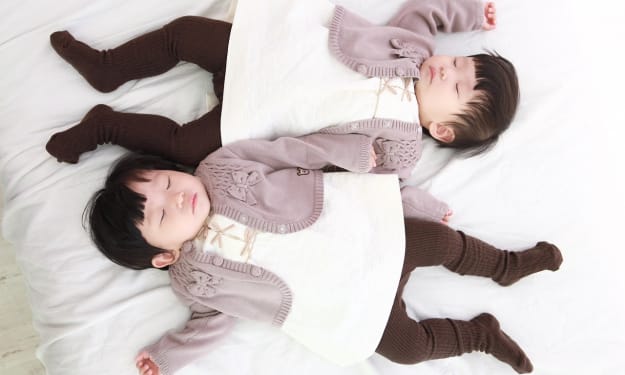
siblings
Siblings are the only enemy you can't live without.
Why Family Matters More Than Ever
Introduction In an era where digital communication often replaces face-to-face interaction and individualism is increasingly celebrated, the significance of family might seem diminished. However, family remains a foundational element of human life. It shapes our values, provides emotional support, and often stands by us through the various chapters of our journey. The concept of family transcends biological ties—it encompasses the people who nurture us, guide us, and help us grow. This article delves into the multifaceted importance of family, highlighting its emotional, social, psychological, and moral influence on individuals and society as a whole. Emotional Security: A Safe Haven One of the most crucial roles a family plays is providing emotional security. From childhood to adulthood, individuals rely on family for comfort, understanding, and love. In early childhood, secure attachment to caregivers fosters self-confidence and emotional stability. These early experiences become the bedrock upon which future relationships are built. In adolescence and adulthood, when life’s challenges become more complex, families serve as a sanctuary of understanding and reassurance. A supportive family provides encouragement during failures and celebrates achievements without envy or resentment. This sense of unconditional love and acceptance is irreplaceable, offering a deep emotional safety net that enables individuals to take risks, pursue dreams, and recover from setbacks. Social Development: Learning to Belong Families are also the first social environment in which individuals learn how to interact with others. Through daily interactions, children learn values such as respect, empathy, responsibility, and cooperation. These early lessons in social behavior set the stage for future interactions in school, work, and society at large. Moreover, family units often reflect broader cultural norms and traditions. Through family rituals, holidays, meals, and storytelling, cultural heritage is preserved and passed on to the next generation. This not only fosters a sense of belonging but also instills pride in one’s identity and heritage. In a world increasingly characterized by diversity and globalization, strong family ties can provide a stable foundation for navigating complex social environments. When individuals understand where they come from and what values they represent, they are better equipped to interact positively and respectfully with others. Psychological Support and Mental Health The mental health benefits of a supportive family cannot be overstated. Numerous studies have shown that individuals with close family ties are generally happier and have lower rates of anxiety, depression, and substance abuse. The emotional closeness, practical support, and sense of belonging that families offer are significant protective factors for mental well-being. During times of crisis—such as the loss of a job, illness, or grief—a cohesive family can provide both emotional and logistical support. Simply knowing that one is not alone can make an enormous difference in coping with stress. On the flip side, dysfunctional family dynamics can contribute to psychological distress. However, recognizing this potential pitfall only reinforces the importance of building healthy family relationships based on open communication, mutual respect, and empathy. Moral and Ethical Development Families are instrumental in shaping the moral compass of individuals. From an early age, children observe and imitate the behaviors of their parents and siblings. They learn the difference between right and wrong not only through explicit instruction but also by watching how family members treat each other and others. This foundational moral education plays a critical role in creating responsible, ethical citizens. Honesty, integrity, kindness, and fairness are often first taught at home. These values, once internalized, guide individuals in their personal and professional lives and contribute to a more just and compassionate society. Economic and Practical Support While emotional and psychological support is paramount, families also provide practical assistance that can be vital to well-being. Parents often make significant financial sacrifices to ensure their children have access to education, healthcare, and extracurricular opportunities. In return, adult children often care for aging parents, providing financial and physical assistance as needed. This mutual support creates a web of interdependence that can help families weather economic hardship. In societies with limited social safety nets, families frequently act as the primary source of support in times of need. Even in wealthier nations, family support can be a decisive factor in determining whether an individual thrives or struggles. Family in the Modern World: Evolving but Enduring The concept of family has evolved significantly in recent decades. Traditional nuclear families have given way to diverse structures, including single-parent households, blended families, same-sex parents, and chosen families formed through deep friendships. Despite these changes, the essence of what makes a family—a commitment to mutual care, love, and support—remains unchanged. Technological advancements and modern lifestyles have also changed how families interact. While some bemoan the decline of family dinners and face-to-face conversation, others celebrate the ways technology enables long-distance family members to stay connected. Video calls, group chats, and shared digital albums help maintain familial bonds across time zones and continents. The adaptability of family structures demonstrates their enduring relevance. What matters most is not how a family looks, but how it functions—how its members support, respect, and love one another. The Role of Family in Society Strong families are the building blocks of strong societies. They produce well-adjusted individuals who are more likely to contribute positively to their communities. Families teach social responsibility, foster civic engagement, and encourage a sense of duty toward others. Moreover, families often play a direct role in community service. Whether through volunteering, participating in local events, or providing informal support to neighbors, families help create a sense of community and social cohesion. When families are strong, communities are more resilient. Conversely, when family systems break down—due to poverty, violence, addiction, or neglect—the social fabric suffers. Addressing these challenges requires not only public policy interventions but also a renewed emphasis on nurturing family bonds. Challenges and Opportunities Despite their importance, families face significant challenges in the modern world. Economic pressures, work-life imbalances, and social isolation can strain family relationships. High divorce rates, mental health issues, and substance abuse can also erode the stability that families provide. However, these challenges also present opportunities. Awareness of these issues has led to increased support for mental health services, parenting education, and work-family balance policies. By investing in resources that help families thrive, societies can ensure that the benefits of strong family ties are accessible to all. In addition, individuals can take steps to strengthen their own families. Prioritizing quality time, practicing active listening, setting healthy boundaries, and showing appreciation are simple but powerful ways to nurture family bonds. Recognizing that no family is perfect, but all families can grow and improve, is a key mindset for fostering healthy relationships. Conclusion Family is more than just a social unit—it is a source of strength, comfort, and identity. In a rapidly changing world, the role of family remains as vital as ever. Whether it is through emotional support, moral guidance, or practical assistance, families shape who we are and how we experience the world. While family structures may continue to evolve, the core principles of love, care, and commitment endure. By recognizing the profound importance of family and investing time and effort into nurturing these relationships, individuals and societies alike can build a more compassionate, resilient, and connected world.
By Julia Christaabout a year ago in Families
Bound by Blood. AI-Generated.
The house on Willow Creek Lane had always been full of laughter—of bare feet running down its wooden floors, of whispered secrets under the old fig tree, of two voices singing lullabies to the stars. Amara and Liana were as close as sisters could be, born just eighteen months apart, with matching dimples and dreams stitched from the same thread. People in their coastal village often mistook them for twins—not just for their appearance, but for how one was never seen without the other. Their mother used to say they were like the tides—Amara, the crashing wave, always rushing forward, restless and wild. Liana, the ebbing flow, steady, gentle, quietly shaping the world around her. It was true. Amara was curious, bold, and always chasing the horizon. Liana preferred the known, the rooted, and the rhythm of simple days. But then, the tides began to change. Their mother died when Amara was sixteen and Liana was fifteen. It was sudden—a car crash on a rainy Tuesday afternoon. The kind of tragedy that doesn’t announce itself but tears life apart in a single breath. Their father was never the same after. A once vibrant man, he withered into someone half-alive, lost in silence and sorrow. Amara couldn’t stay. The house felt like a tomb, and the weight of memory too heavy to carry. So she left—first for college, then for the city, chasing a career in journalism that put her on the front lines of truth. She became known for her fearless reporting, always digging into injustice, always searching for something that felt real. But she rarely called home. Liana stayed. Someone had to. She cared for their father as he aged, took over the modest farm their parents once ran together, and clung to the rhythm of the life they had known. She told herself it was out of duty, but deep down, she also feared the outside world. While Amara’s voice echoed in headlines, Liana’s remained hidden in the folds of the countryside. Years passed. The silence between them grew. Not out of hate, but distance—emotional, geographical, spiritual. Every so often, they sent texts. Holidays passed with half-hearted wishes. There were no fights. Just space. And sometimes, space hurts more than anger. Then came the call neither could ignore: their father had passed away. Amara returned for the funeral. She arrived late, her coat soaked from the cold rain, her eyes shadowed by years of absence. Liana met her at the door, stiff and quiet, the air between them heavy with everything unsaid. The funeral was modest. A few neighbors, a short eulogy, and a long silence. That night, they sat at the old kitchen table, sipping tea from chipped mugs. The walls, once warm with memory, now felt hollow. “You weren’t here,” Liana said suddenly, her voice barely above a whisper. Amara flinched. “I couldn’t be.” “You chose not to be.” A long pause settled. Then Amara replied, “I didn’t know how to come back.” Liana looked away. “Neither did I. But I stayed anyway.” They spoke little after that. But as the days went on, something fragile began to shift. Together, they sorted through their father’s things. In the attic, they found an old photo album, its pages yellowed with time. One photo caught their breath—a shot of the two of them as children, muddy from playing, their mother’s arms wrapped around both of them. Behind the camera, they knew, was their father. “I forgot about this day,” Amara murmured. “I never did,” Liana said, tracing the edge of the photo. “It was the day you dared me to jump from the treehouse and I broke my arm. You cried more than I did.” Amara chuckled, the sound unfamiliar even to herself. “I thought I killed you.” “You almost did,” Liana teased, smiling. It wasn’t perfect, but it was a beginning. In the days that followed, they cleaned, cooked, and slowly talked. Not about everything, but about enough. Liana confessed how lonely it had been, how she had felt abandoned, not just by their father but by her only sister. Amara shared how terrified she had been to face the past, to face her guilt, to face Liana’s eyes. They laughed over shared memories and cried over the ones that hurt. And one morning, Liana brought out her old paints. “I haven’t touched these in years,” she said. “You should,” Amara said. “Paint something.” “Maybe,” Liana said. “Will you stay awhile?” Amara looked out the window to where the fig tree still stood, old but still standing. “Yes,” she said. “I think I will.” Weeks passed. Liana painted again, and Amara began writing a different kind of story—one not for newspapers, but for herself. They repaired the garden. Repainted the porch. At night, they watched the stars and shared dreams they once buried. They weren’t who they used to be, and maybe they never would be again. But they were sisters—still, always, fiercely. Bound not just by blood, but by something deeper: forgiveness, memory, and love that had endured distance, silence, and time. And in the quiet light of a new dawn, the house on Willow Creek Lane finally felt like home again.
By Muhammad umairabout a year ago in Families
The Space You Left Behind. AI-Generated.
🎈 Happy birthday, sis. I place the teddy bear and a bouquet of balloons on your resting place. The balloons flutter and dance with the wind, like they know you’re watching. A small part of me always hopes you are. Then I spread out the blanket I brought—our old one, the one with faded stars—and I sit next to you. I start talking like I used to when you were alive, like you’re just beside me. In these moments, rare and precious, I almost believe you’re still here. I tell you everything that’s happened this past year: the fights at home, the secrets I’ve kept, the stories I’ve written about you—ones where you’re still laughing, still living. I feel like your sibling again. And when the evening chill finally cuts through my coat and into my bones, I know it’s time to go. I stand slowly, brushing off the grass, and blow you a kiss as I walk away. Happy birthday, sis. I miss you more than ever. --- 💥 Not Our Holiday Fireworks thunder through the sky. Red, white, and blue explosions ripple like waves across the night. The world is celebrating. But not us. At home, the TV flickers as an old movie plays, but no one is really watching. The popcorn is cold, untouched. Our hearts are somewhere else. This is the day we lost you. Mom doesn’t speak. She just sits quietly, working on her cross-stitch like it's the only thing holding her together. The needle rises and falls, over and over. Her silence is louder than the fireworks outside. And really, what is there to say? There’s nothing to fix this kind of pain. --- 🧳 Leaving the House That Broke Us I stand outside the house, suitcases at my feet, backpack slung over my shoulder. The Uber is on its way. In a few hours, I’ll be on a plane, headed toward a new chapter. A new home. A new family. Mom stands in the doorway, arms crossed, her face hard. She tells me I’m cruel. That I’m abandoning her. That she’s losing me like she lost you. That one cut deeper than any goodbye. How dare she use you to guilt me? You’re not a weapon. You’re not a curse. You’re the reason I’ve survived this long. I say nothing. I won’t let your memory be twisted into fuel for pain. Thankfully, the Uber pulls up before I say something I can’t take back. I get in and go. --- ✍️ Writing to Remember Now, I sit at my desk in a city far away. A place where no one knows you. No one knows me. I open my laptop. And I begin to write. Not about the facts—I don’t have enough memories to stitch together a biography. But I write the way I feel about you. The silence you left behind. The questions you never got to answer. The way your name still feels like both a wound and a song. Sometimes I cry so hard I can barely see the screen. My fingers blur over the keys, but I don’t stop. Because when the story is finished, I feel lighter. Like I’m not just mourning you... I’m honoring you. And when I click Publish, I hope someone out there reads it and feels less alone. --- 🌟 For You You’re gone, and the world didn’t stop. But mine did. So I write you back into existence, word by word. Maybe one day, someone will read my stories and see you there—in the quiet between the sentences. Until then, I’ll keep writing. For you. Always for you.
By Alikhan Jannabout a year ago in Families
Beat the Heat: Why Inflatable Water Slides and Dunk Tank Rentals Are Summer Event Essentials. AI-Generated.
When temperatures rise and the summer sun shines bright, planning an outdoor event becomes all about two things—fun and staying cool. Whether you’re organizing a birthday bash, a school fundraiser, a neighborhood block party, or a company picnic, interactive water-based entertainment brings a refreshing twist that guests of all ages will love. That’s where inflatable water slides, convenient Water Slides Rental services, and the ever-popular dunk tank rental come into play.
By amazingjumpswekickthepartyoffabout a year ago in Families
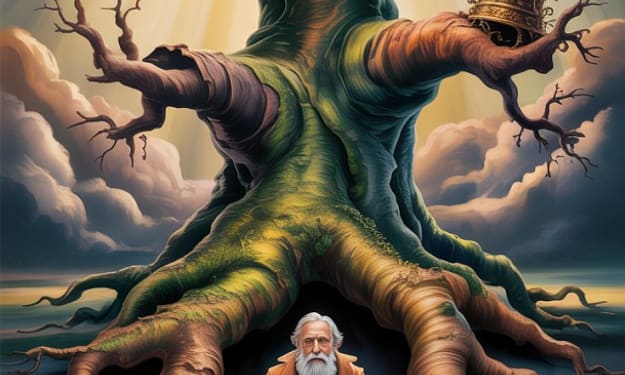
The Golden Heart and the Grasping Hands
Once upon a time, in a quiet countryside village, lived a man named Broly. He was known far and wide not for riches or status, but for his honesty, wisdom, and humble living. Every villager admired him and came to him for advice and justice, for Broly’s word was as solid as stone. Broly had three sons: David, Henry, and Alex. He raised them with love and discipline, teaching them the importance of truth, hard work, and integrity. But as the boys grew older, their hearts drifted away from the virtues Broly had tried to instill. David, the eldest, cared only for money. He constantly asked about the family wealth and how much he would inherit. Henry, the middle son, craved power. He wanted to control the family lands and boss around workers. Alex, the youngest, was carefree and lazy, dreaming of luxury without effort. All three were united by one thing: greed. Broly saw this, and though his heart ached, he said nothing. He knew that mere words wouldn’t change their hearts. A lesson, he thought, must be lived to be learned. One evening, as the sun cast golden light across the fields, Broly gathered his sons and said, “My dear sons, I am growing old, and soon, everything I have will belong to you. But before that, I must know you are ready.” The sons leaned forward eagerly. “I will give each of you the same task,” Broly continued. “To the west lies a patch of dry, abandoned land. You will each spend three days working that land. Do what you think is best. When you return, I will decide how to divide my estate.” The next morning, the three sons went their separate ways toward the field. It was dusty, filled with rocks, and looked useless — the kind of land no farmer wanted. --- Day 1: David arrived with builders. He cleared the rocks and told them to start constructing a storage building. “This land is useless for crops,” he said. “But I’ll build a grain warehouse and rent it out. That’s how you make real money.” Henry came with surveyors and flags. He began dividing the land into plots and marking areas. “I’ll lease parts of the land to farmers and collect rent. I’ll become the biggest landowner in the region,” he boasted. Alex strolled in late, looked around, and sighed. “Too dry for anything,” he muttered. He laid out a mat under a tree and napped most of the day, only occasionally digging a little to appear busy. Meanwhile, they all ignored the old olive tree that stood tall at the edge of the field — a tree their father had once planted in his youth. --- Day 4: The brothers returned, each boasting of their accomplishments. David said, “I’ve built the foundation of a profitable business.” Henry said, “I’ve organized the land for future control and income.” Alex said, “I… explored all possibilities. Nothing much can be done with that land.” Broly listened patiently, then said, “Come with me.” They returned to the dry field. Broly walked toward the old olive tree, dug near its roots, and pulled out a small chest buried in the earth. Inside were gold coins, a scroll, and a note. The note read: > “True wealth is not in gold or land, but in wisdom, patience, and care. He who finds this message has seen beyond the surface.” The sons were stunned. “Is this the inheritance?” David asked, eyes gleaming. “Who does it belong to?” asked Henry. “It must be mine,” Alex shrugged. “I came here too.” Broly looked at them with tired eyes. “None of you truly saw this land,” he said. “You came for your own gain, not to understand or care for it. But there was one who did.” From behind the tree stepped jhon, a young orphan from the village whom Broly had quietly mentored for years. Yasin had no blood ties, but he had Broly’s heart. While the others planned profits, Jhon had tended to the tree, removed weeds, and watered the dry ground. “This boy,” Broly said, “came not to claim, but to care. He saw that under this dry soil lies a spring, and that the olive tree still bears fruit when watered. He found the truth others ignored.” The sons were furious. “You’d give everything to a stranger?” David snapped. “To someone not even your son?” Henry shouted. Broly remained calm. “He is a son in spirit. You think only of taking. He thought of giving.” He then made his decision. “To each of you,” he said to David, Henry, and Alex, “I give one-third of my lands — but not the spring, not this olive field, and not the chest. That belongs to Jhon.” The village watched silently. Some shook their heads at the sons; others smiled at the fairness of Broly’s choice. --- Years Later: David’s warehouse failed after a drought ruined storage. Henry’s rented land fell empty when no one trusted his leadership. Alex sold his plot, wasted the money, and returned home empty-handed. But Yasin turned the once-dry land into a flourishing orchard. He tapped the spring, planted new crops, and helped feed the village. He gave work to the poor and taught the children about honesty and patience — just as Broly had once taught him. Broly passed away peacefully under the shade of the old olive tree, knowing that though his gold was buried in the soil, his values had taken root in the heart of the right son. --- Moral of the Story: Greed may chase gold, but only honesty cultivates legacy. A true son is not one who inherits wealth, but one who upholds virtue.
By Muhammad Azeem about a year ago in Families
The Nephew of My Brother; Put Me in Trouble
Raising a child is never easy. But raising a child in a world full of expectations, criticism, and uninvited opinions—especially from those closest to you—can feel like walking barefoot on thorns. This is the story of me, a father, whose only intention was to shape a bright future for his son, but who ended up clashing with someone I never expected—my own brother.
By Keramatullah Wardakabout a year ago in Families
The Day I Realized My Parents Weren’t Heroes
The Day I Realized My Parents Weren’t Heroes When you’re a kid, your parents feel unstoppable. They know everything. They fix everything. You believe they can protect you from anything. For most of my childhood, I believed that with all my heart. My parents were my whole world. My dad could lift me onto his shoulders like I weighed nothing. He fixed my bike, carried the groceries, and always seemed calm, no matter what. My mom? She knew everything. She had answers for every weird question I threw at her. She made the house feel safe. They were my superheroes. But the thing about growing up is… it sneaks up on you. One minute, you're believing your parents can fix the world — the next, you realize they're barely holding themselves together. I remember exactly when that moment happened for me. It wasn’t dramatic. No shouting match, no huge secret revealed. It was quiet — so quiet I almost missed it. But it changed everything I thought I knew about my parents. I was eleven, sitting on the floor outside their bedroom. It was late, but I couldn’t sleep. The hallway carpet scratched my legs as I tucked them under my oversized hoodie. I didn’t plan to eavesdrop, but when I heard their voices, I froze. They weren’t arguing like they sometimes did when stressed — this was different. Their voices were low, tired. Heavy. “We can’t afford it,” my dad whispered. I heard the strain in his voice, the kind I’d never noticed before. “The cards are maxed. There’s nothing left.” Silence. Then my mom spoke, and her voice cracked in a way that sent a shiver down my spine. “I told you… I told you this would happen if we kept pretending everything’s fine.” That was the moment the bubble popped. The version of my parents I’d built up in my head — flawless, strong, invincible — cracked right in front of me, and I couldn’t unhear it. For the first time, I realized my dad wasn’t always the strong fixer. He was drowning. And my mom? She wasn’t just the calm planner — she was scared too. The next morning, everything looked the same. My dad made pancakes, my mom packed my lunch, they smiled like they always did. But I saw the difference. Their tired eyes. The way their shoulders slumped when they thought no one noticed. The quiet, forced laughs. That night changed how I saw them. They weren’t superheroes. They were people — exhausted, stressed, carrying more weight than I ever understood. And weirdly, that realization didn’t make me love them less. It made me love them more. Because despite the pressure, despite the fear, they kept showing up. They kept making sure I felt safe. They carried their struggles quietly, shielding me from storms I never even realized were happening behind the scenes. Growing up means realizing your parents aren’t perfect. They make mistakes. They get scared. They fail sometimes. But they also keep trying. And maybe that’s what real strength looks like — not being invincible, but showing up every day, cracks and all. I’ll never forget that night, sitting outside their door. It was the day I stopped seeing them as superheroes — and started seeing them as human. And honestly, that’s way more powerful.
By Straylightabout a year ago in Families
Unlocking Curiosity: How Dinhon Kids Learning Locks Can Spark Your Child’s Love for Learning. AI-Generated.
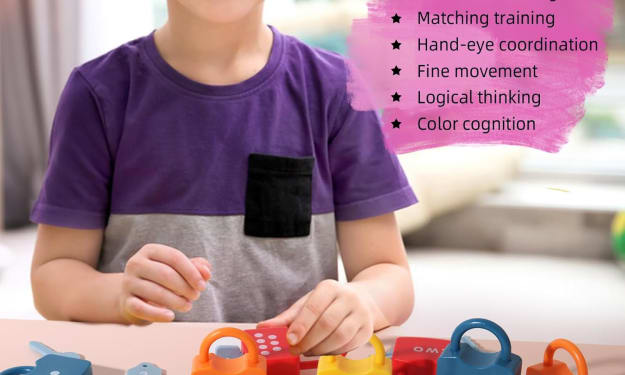
"**Unlocking Curiosity: How Dinhon Kids Learning Locks Can Spark Your Child’s Love for Learning** As a mom, I’ve been there countless times: my 9-year-old staring blankly at a science kit, frustrated because it seems “too complicated” or “not fun.” Electronics and STEM toys are supposed to ignite curiosity, right? But sometimes, the gap between a toy’s potential and actual kid engagement feels huge. If you’ve ever wished for a simple yet captivating way to bridge that gap, let me share something that changed the game in our house: the Dinhon Kids Learning Locks.
By Kids Castelabout a year ago in Families
The Day My Father Didn’t Pick Me Up from School
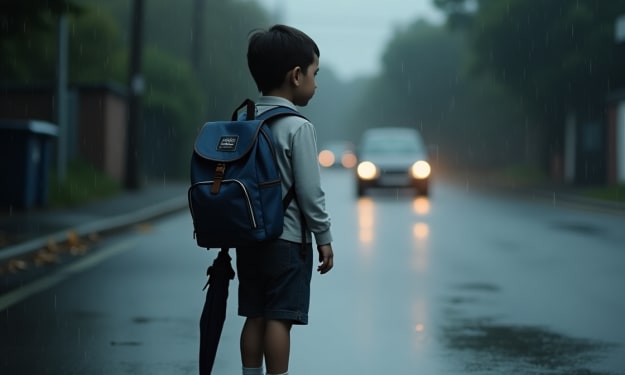
It was a Thursday, and I was eight. My shoes squeaked against the wet concrete of the school courtyard as my class filed out, one by one, into the arms of waiting parents. It had been raining since lunch. The sky hung low, like a damp wool blanket, and the trees around the school shook quietly in the wind. My backpack felt heavier than usual — not because of the books, but because I was excited. My father was supposed to pick me up that day. He rarely did. But that morning, he had promised. With his keys in one hand and a cigarette in the other, he had looked me in the eyes and said, “I’ll be there.”
By Umar Faraz Gulabout a year ago in Families
When We Were One
Chapter 1: The Old Wooden Table In a small house nestled at the edge of a quiet town stood an old wooden table, worn by time yet sturdy enough to hold decades of memories. It was on this table that Mia found herself one rainy afternoon, drawn by a curious longing she couldn’t quite explain.
By Muhammad Ayazabout a year ago in Families