parents
The boundless love a parent has for their child is matched only by their capacity to embarrass them.
The Doctor Doesn’t Listen to Her. But the Media Is Starting to.
Introduction For decades, women’s health issues have been marginalized, ignored, and dismissed by medical professionals, leaving many to endure unnecessary suffering. Despite expressing genuine concerns about their health, women often face disregard or inadequate care, sometimes leading to long delays in diagnosis or treatment. The media, however, is beginning to shine a much-needed spotlight on this issue, with stories of women’s struggles starting to resonate with the public. This growing visibility is catalyzing change, helping to raise awareness of systemic flaws in healthcare and challenging long-standing biases that have made many women’s health concerns invisible. Historical Neglect of Women’s Health Care The neglect of women’s health issues is not a new phenomenon. Over the years, many women have shared their painful experiences of being dismissed by healthcare professionals when seeking help for reproductive health problems, chronic pain, or other conditions traditionally associated with women’s health. These stories often involve a pattern of doctors underestimating or ignoring the severity of symptoms, attributing them to factors like emotional instability or stress, rather than diagnosing the underlying medical conditions. One significant area where this bias has been evident is in the treatment of pain. Numerous studies have shown that women’s pain is often downplayed compared to men’s. A 2001 study published in the Journal of Law, Medicine & Ethics revealed that women are more likely to be undertreated for pain, receive fewer prescriptions for pain medications, and be less frequently subjected to essential diagnostic tests, such as stress testing for chest pain. This systemic disregard has led many women to seek alternative treatments, often from unproven or questionable sources, driven by frustration and dissatisfaction with conventional medical care. Women’s Stories That Sparked a Movement In recent years, high-profile women have shared their personal health battles, helping to amplify the conversation about the deficiencies in women’s healthcare. These stories, often shared through prominent media outlets, have spurred discussions that challenge outdated perceptions and push for much-needed reform. Serena Williams: A Life-Saving Fight for Proper Diagnosis In 2018, tennis icon Serena Williams revealed her near-death experience following a C-section in 2017. Despite being a world-class athlete, Williams’ life was threatened when doctors initially dismissed her concerns about pulmonary embolism—a condition she had previously suffered from. Her persistence in advocating for her health ultimately led to a life-saving intervention. This incident highlighted the alarming reality that even women of great influence and physical stature face serious healthcare challenges when their symptoms are dismissed. Lena Dunham: A Decade of Misdiagnosis Similarly, actress and writer Lena Dunham chronicled her decade-long struggle with endometriosis, a condition that affects one in ten women. Despite undergoing multiple procedures and medical consultations, Dunham’s condition went undiagnosed until she had a hysterectomy at age 31. After the surgery, her doctors acknowledged the severity of the disease, confirming what Dunham had known all along: her pain was real. Her story emphasizes the importance of early diagnosis and the critical need for doctors to take women’s health concerns seriously. The Struggles of Black Women in Maternal Health One of the most tragic manifestations of this health care crisis involves the maternal mortality rates among Black women in the United States. A 2018 exposé in The New York Times highlighted the story of Simone Landrum, a 23-year-old Black woman who lost her baby due to undetected preeclampsia. Landrum’s persistent complaints about severe headaches were dismissed by doctors, who advised her to simply “calm down” and take Tylenol. Sadly, Landrum’s situation is not an isolated case, as Black women are disproportionately affected by higher rates of maternal mortality in the U.S. The Rise of "Health-Care Gaslighting" The term “health-care gaslighting,” coined by Sasha Ottey, founder of the NGO PCOS Challenge, captures the essence of this issue. Health-care gaslighting occurs when women’s legitimate health concerns are ignored, minimized, or dismissed by medical professionals. For women with conditions such as Polycystic Ovary Syndrome (PCOS), endometriosis, and uterine fibroids, this experience is all too common. Ottey, who was herself dismissed by doctors who attributed her symptoms to weight gain, has been an outspoken advocate for raising awareness about the bias and prejudice that women face in healthcare. Weight bias, in particular, remains a significant barrier to proper diagnosis and treatment. Many women with chronic conditions are often told to lose weight, without addressing the underlying health issues that are contributing to their symptoms. Media as a Catalyst for Change The media has played a pivotal role in bringing attention to women’s health issues that were previously ignored or misunderstood. Documentaries, podcasts, and social media campaigns have provided a platform for women to share their stories and advocate for change. Documentaries and Podcasts: Uncovering Hidden Health Issues Netflix’s The Bleeding Edge is one such documentary that highlighted the risks associated with inadequately tested medical devices sold to women. The film focused on the Essure birth control implant, which was linked to numerous health problems but remained on the market despite widespread complaints. The documentary revealed the dangers of regulatory failures and the vulnerability of women to unsafe medical products. Another notable example is the KCRW podcast Bodies, which delves into medical mysteries and personal health stories. One episode focuses on vulvodynia, a painful condition that affects many women but is often undiagnosed due to a lack of awareness among healthcare providers. These stories help raise awareness of conditions that are frequently overlooked or misdiagnosed. Social Media Advocacy: Connecting Women and Amplifying Voices Social media has been crucial in building a community of women who share common experiences. One of the most significant examples of this is Angie Firmalino’s Facebook page, created in 2011 to warn others about the dangers of the Essure device. By 2018, the page had amassed over 35,000 members, who used the platform to raise awareness, support each other, and push for accountability from healthcare institutions and regulatory agencies. Social media has created a “strength in numbers” effect, enabling women to find solidarity and collectively amplify their voices. This sense of community has allowed for greater visibility of women’s health issues, which were previously ignored or downplayed in mainstream medical discourse. What’s Driving the Change? Several factors are contributing to the growing awareness of women’s health disparities and the movement for change. Dr. Katherine Sherif, head of women’s primary care at Jefferson University Hospital, attributes much of the recent push to social movements like #MeToo, which have empowered women to speak out against injustices in various sectors, including healthcare. These movements have given women the courage to demand that their voices be heard and their health concerns be taken seriously. Sasha Ottey also believes that the rise of social media has played a critical role in giving women a platform to share their experiences and raise awareness. When Ottey was fighting for a proper diagnosis of her PCOS in 2008, she felt isolated and alone. Today, however, the growing number of women sharing their stories and advocating for better care is creating a powerful movement for change. Looking Ahead: A Call for Reform While increased awareness of women’s healthcare disparities is a crucial step forward, it is only the beginning. To create lasting change, healthcare systems must: 1. Acknowledge Bias: Medical professionals need to recognize the unconscious biases that influence their interactions with female patients, particularly those from marginalized groups. By addressing these biases, healthcare providers can improve their ability to deliver equitable and accurate care. 2. Improve Training: It is essential that medical practitioners receive training on conditions that disproportionately affect women, such as PCOS, endometriosis, and vulvodynia. Providing comprehensive education on these disorders will help ensure that healthcare providers can diagnose and treat them effectively. 3. Prioritize Listening: Doctors must learn to listen to their patients, treating them as active partners in their healthcare. By acknowledging women’s experiences and concerns, physicians can improve the quality of care and foster trust between patients and providers. Final Thoughts The stories of Serena Williams, Lena Dunham, and many others have ignited a much-needed conversation about the inequities that women face in healthcare. Thanks to the power of media, advocacy, and collective action, women are now speaking up and demanding the care and attention they deserve. As Dr. Katherine Sherif aptly puts it, “Shining a light on these issues gives us the courage to address them.” As women continue to reclaim their voices and challenge systemic flaws, the goal is to create a healthcare system that listens, understands, and prioritizes their needs. With continued advocacy and a commitment to change, we can ensure that future generations of women receive the care they deserve—care that is informed, compassionate, and free from bias. ---
By Mohammed Ebrahim Ali 2 years ago in Families
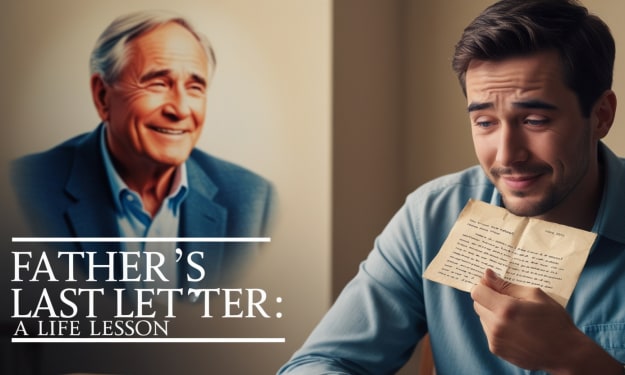
Father's Last Letter: A Life Lesson for His Son
Ravi held the letter in his trembling hands. It was the last one his father had written in his final days. It was a simple piece of paper, yet the words on it carried an ocean of emotions. Tears streamed down Ravi's face as he sat alone in his room, reading the letter repeatedly. Each time, his heart ached more.
By Prashant Sharma2 years ago in Families
Early Struggles: Finding Love in Unlikely Places
Life often throws us into a whirlwind of challenges, and sometimes it feels as though every door is closed. This was my reality for most of my early adult life. By the time I was 35, everything changed, but the road to that turning point was filled with trials that tested my resilience and faith.
By denizan Lawyer2 years ago in Families
Why You Shouldn't Spank Children
I screamed the moment my mother locked the door and kept the key. I had hoped that the neighbours would hear my screams and come to my rescue. I leaped from the carpeted floor to the sofa, from the sofa to the center table, and from the center table back to the floor.
By MICHAEL TOBI ADU2 years ago in Families
The Ones Who Truly Need Us
"The Ones Who Truly Need Us" Certain people in our lives are nothing short of priceless treasures. Their mere presence becomes a pillar of strength, a foundation upon which we build our sense of security and purpose. These individuals yearn to be an inseparable part of our journey, and their love for us is utterly selfless, pure, and untainted by any expectations. In every word they speak, in every action they take, their care and concern for us shine through. These are the people who stand unwaveringly by our side in moments of joy and sorrow. They eagerly look forward to conversations with us, finding happiness simply in the act of listening or being present. No matter how busy they are, they make time for us. And even when they cannot, there is always a sincerity in their words—“Let me finish my work, and I’ll get back to you”—a simple promise that carries a wealth of love and consideration. Their actions reflect a deep respect for our emotions. They value what we think and feel, making the effort to truly understand us. When we share our thoughts or unburden our hearts, they don’t merely hear us; they listen. They absorb the essence of our words, interpreting our emotions and offering positivity and guidance. Their listening is not passive—it is an act of love, a testament to the bond they share with us. Yet, ironically, we often fail to realise the importance of such people in our lives. We overlook their selfless actions, take their love for granted, and sometimes even neglect the profound connection we share with them. Misunderstandings, ego, or the chaos of daily life blinds us to their significance. And tragically, it is only when they are no longer a part of our lives—whether by circumstance or neglect—that we come to understand the void they leave behind. If you are fortunate enough to have such individuals in your life, cherish them. Recognise their worth, honour their feelings, and treasure the moments you share with them. These moments, though seemingly simple, are the true riches of life. Their presence is not just a blessing; it is a gift that life bestows upon us—a source of strength, love, and unwavering support. The ones who truly need us are like shade-giving trees in our lives. Under their canopy, we feel safe and protected, sheltered from the harshness of life’s challenges. Their love and care are endless, their support unwavering. But just like a tree needs nourishment to flourish, these relationships require effort and understanding. They need us to see them, appreciate them, and nurture them in return. Having such people in our lives is nothing short of a divine blessing, a privilege we must not take for granted. Honour their love, value their presence, and hold them close to your heart. Their selfless affection and unwavering belief in us are what make our lives beautiful, meaningful, and joyful. In a world that often feels transient and uncertain, these individuals are the constants—the anchors that keep us grounded and the stars that light our path. They remind us of the true essence of life: love, connection, and the unspoken bond that brings meaning to our existence. Let us not wait until it is too late to recognise their worth. Let us not let the noise of life drown out the quiet, powerful voices of those who truly care for us. For the ones who cherish us, the ones who truly need us, are not just a part of our lives—they are the heart of it. Celebrate their presence. Honour their love. Hold them close. Because in their selfless affection lies the true beauty of life, and in their unwavering support, we find the courage to become our best selves.
By Dipak Pawar2 years ago in Families
My Teenager Is Making Me Depressed: Navigating the Emotional Challenges of Parenting Teens
Parenting teenagers can be a complex emotional journey, often leaving parents feeling overwhelmed or even melancholic during this challenging period. As teenagers guide the turbulent waters of adolescence, they frequently show behaviors that can test even the most patient parent. Communication breakdowns and emotional outbursts can all negatively impact mental health. In this complete guide, we'll look at practical techniques for dealing with these conflicts, boosting communication, and building a healthier parent-child connection.
By Teenage Parenting2 years ago in Families
The Gift of a Forgotten Song
Title: The Gift of a Forgotten Song Subtitle: A Journey of Healing Through Music and Memory In a small, quiet town nestled along the edge of a tranquil lake, there lived an elderly man named James. His face, though lined with age, carried the warmth of a thousand smiles, but there was an undeniable sadness in his eyes. He was known for his kindness, always offering a gentle word to anyone who crossed his path, but those who knew him well could see that something was missing. His wife, Lily, had passed away five years ago, and since then, his world had been filled with an aching emptiness that nothing seemed to fill.
By Splendor pearl2 years ago in Families
How Can You Tell What Stage of Dementia a Person is in?
It is essential for caregivers and health care providers to understand the stages of dementia because proper care and support will be given at the appropriate time. Dementia has stages, and identifying which stage the patient is at helps in planning medical interventions, caregiving strategies, and attending to the emotional needs of the patient. Below, we delve into the detailed stages of dementia, focusing on the FAST Scale Dementia, which is commonly used to determine the progression of dementia.
By Jame Roark2 years ago in Families
Photo Fridge Magnet Gifts: A Perfect Keepsake for Parents, Children, and Travel Enthusiasts
Fridge magnets have transcended their humble beginnings as simple decorative items. Today, they serve as timeless keepsakes, cherished gifts, and versatile reminders of memories. Whether for parents celebrating family milestones, children enjoying playful designs, or travel enthusiasts commemorating their adventures, fridge magnets make the perfect personalized gift.
By Photojaanic2 years ago in Families
Cherishing the Precious Bonds of Life
Cherishing the Precious Bonds of Life In the journey of life, some people cross our paths purely by fate. These individuals become an inseparable part of our existence, adding beauty, meaning, and joy to our lives through their love, support, and companionship. However, when fleeting misunderstandings, disagreements, or minor grievances lead us to sever these precious ties, it isn't just the end of a relationship; it’s the loss of a profound source of happiness and fulfilment. Relationships where someone feels entitled to argue with us, sulk over a disagreement, or bring a smile with a simple gesture are truly priceless. Such bonds deserve to be nurtured and protected because, at the end of the day, even with wealth, success, and achievements, life feels hollow and colourless without someone to understand, comfort, and laugh with you. Our relationships are, in essence, our greatest wealth. They bring joy, provide strength in times of adversity, and guide our lives in meaningful directions. However, to sustain these bonds, we need patience, understanding, and love. Disagreements and conflicts are inevitable in any relationship, but the willingness to resolve them and preserve the bond is what defines true commitment. Bonds built on kindness and a warm heart tend to last forever. Such relationships are sustained not by material gains or status but by love, trust, and humanity. Genuine connections require no grand gestures or superficial displays; they thrive on mutual respect and an innate sense of loyalty. Life is fragile and unpredictable. We never know what the next moment holds. Thus, instead of hurting or losing the people who bring joy and meaning to our lives, it is far more important to cherish and preserve their love. A single mistake, a moment of carelessness, can lead to a loss so profound that it leaves life feeling incomplete and empty. This is why it’s crucial to keep our hearts open for those who matter, to try to understand them, and to value the relationship more than the ego. In today’s fast-paced world, people are gradually forgetting to invest time and effort into relationships. Lack of communication and increasing misunderstandings are causing bonds to wither away. However, true relationships demand conversation, time, and expressions of love. Even amidst differences, it’s important to set aside our egos and give our relationships a fresh start whenever needed. At the end of our lives, it is not our possessions, titles, or accolades that we take with us. Instead, it is the memories of the people we loved and who loved us back. These bonds are the real treasures of life, far surpassing any material wealth. So today, make a promise to yourself. Commit to nurturing the relationships that make your life meaningful. Dedicate time to the people who matter. Express your feelings to those who deserve to know. Relationships need to be protected, for they are what give life its purpose and vibrancy. Remember, the people who fate has gifted us are truly our greatest achievements. Cherish them, nurture them, and hold them close, for they are the essence of what makes life worth living. Let’s ensure that our lives are filled with bonds that matter and love that endures beyond time.
By Dipak Pawar2 years ago in Families