list
Not your average family planner; lists that feature famous families, sibling truths and advice on how to bond and reconcile with your flesh and blood.
"Smiling Faces, Silent Cries: The Battle No One Sees"
Not Him. Not Now. It was supposed to be a season of renewal. A fresh start. New city, new home, new possibilities. We had packed our lives into boxes labeled with sharpies — “Kitchen,” “Books,” “Toys,” and the infamous “Misc.” It was chaotic, but we were smiling. Tired, sure. But hopeful. ☀️ The house was old but had character. A wraparound porch with peeling paint, squeaky floorboards that sang their song every time someone walked past. To me, it felt alive — like it had stories of its own. We dreamed of quiet mornings with coffee in hand, watching the kids play in the backyard. We planned to paint the walls cheerful colors, build garden beds, and hang fairy lights by the fence. But life doesn’t care much for plans. Because he showed up. Uninvited. Unexpected. Unwanted. --- We hadn’t seen him in over three years. That was intentional. Our boundaries were not blurry — they were cement walls. He had crossed every line there was before. Abuse. Gaslighting. Manipulation. He was the storm we barely survived. 🌪️ So when I opened the door that Tuesday afternoon and saw him standing there with that same smug smile, my breath left me. He looked older, sure. But the danger in his eyes was familiar. He said he was “just passing by.” He wanted to “check in.” But my hands were shaking. My heart beat so loud I couldn’t hear his words clearly. All I heard was the echo of the past screaming inside me. --- I tried to stay calm. The kids were upstairs. My husband was out for groceries. It was just me. And him. I said nothing. Not because I didn’t have words, but because silence was the only shield I had left. Then he stepped forward. A small step, barely noticeable. But it was enough to send me spiraling. All those therapy sessions. All the healing. All the courage it took to rebuild. And here he was. Trying to bulldoze it all with a smile. I whispered, “You need to leave.” He chuckled. “I’m not here to cause trouble.” But he was the trouble. --- The kids came down, confused. “Who’s that, Mom?” Before I could answer, my husband walked in. He saw my face. He knew immediately. And suddenly, everything changed. The air turned thick. The silence before the storm. My husband, ever the calm one, stood between us. “No. Not now. Not ever.” He closed the door. Locked it. Then he held me. And I cried. 😢 Not tears of fear. Tears of release. Because this time, I wasn’t alone. This time, someone stood up for me. --- The next day, we put up a security system. Talked to a lawyer. Called a therapist. But most importantly — we kept going. We still painted the kids’ room light blue. We still planted tomatoes. 🍅 We still watched the stars from the backyard with mugs of tea in hand. Because trauma might knock on your door — But it doesn’t get to stay. Not anymore. --- There’s power in saying no. There’s healing in choosing yourself. There’s beauty in rebuilding, even when you’re shaking. And there’s courage in continuing to live, laugh, and grow — Even when ghosts from the past try to revisit. Because healing isn’t a straight path. Sometimes it loops. Sometimes it stings. But it always moves forward. 💛 And so did we. The days that followed were quiet, but not peaceful. Every sound made me flinch. A car slowing down near the house. A knock on the door. Even the wind brushing the windows felt like a threat. But then came a shift — slow, like morning fog lifting. I saw the kids laughing again. I saw my husband dancing with them in the living room, silly moves and louder music. The walls we painted began to reflect more than just color — they held joy. They held us. I started baking again. The smell of cinnamon filled the kitchen one Sunday morning, and for the first time in weeks, I smiled without trying. 😊 We were reclaiming the space. Room by room. Memory by memory. Some scars may never fade completely — and that’s okay. But they remind us of how far we’ve come. And how we choose love over fear, healing over history. Every. Single. Time. 🕊️
By Leya kirsan official about a year ago in Families
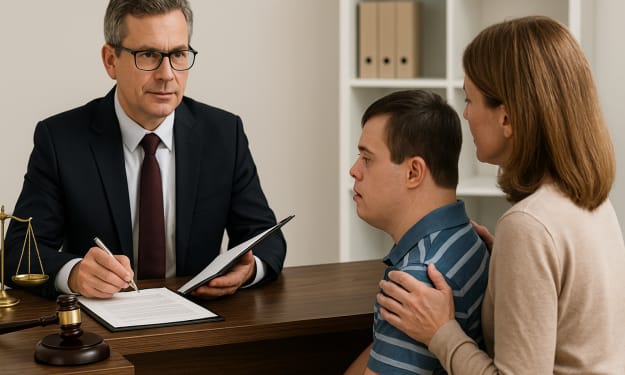
How to Include a Special Needs Trust in Your Estate Plan
Estate planning is about more than passing down assets—it’s about protecting the people you love. For families who have a child or dependent with disabilities, this means navigating a complex intersection of inheritance, government benefits, and long-term care. Without careful planning, even a well-meaning gift can jeopardize essential benefits, such as Supplemental Security Income (SSI) or Medicaid.
By Daily Blogabout a year ago in Families
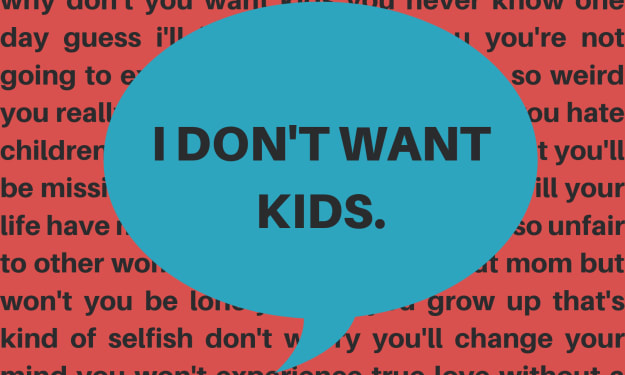
The Real Reasons Why I'll Never Have Children
People say that having children is the miracle of life and a blessing. That may be true for most people, but as for me, I feel the complete opposite. I'm nearing 40, unmarried, and childless. The latter is completely my choice, and I'll explain the reasons why I don't see myself as a father anytime soon. I rarely discuss my love life, but I feel it's necessary for me to be open to everyone about what I hope to accomplish in the next several years. Unfortunately, fatherhood isn't one of them. These are my personal opinions about children, so I'm not persuading anyone to have or not have children. I leave that decision to you and everyone.
By Mark Wesley Pritchard about a year ago in Families
Children Aren’t Born Rude — So Who’s Teaching Them?
Children Aren’t Born Rude — So Who’s Teaching Them? “He’s just so disrespectful these days.” “She talks back at everyone — even her teacher!” These are common complaints you’ll hear in school meetings, parenting forums, or even casual conversations among concerned adults. But have we paused to ask why children behave this way? We’re witnessing a silent crisis—the rise of rudeness and rebellion among school-aged children. From disruptive classroom behavior to sarcastic tones and an apparent disregard for authority, many kids today seem to be teetering on the edge of defiance. Shows like Adolescence on Netflix, or viral social media content that glorifies disrespectful attitudes, may appear to be just entertainment. But in reality, they reflect a deeper truth—a society that’s unsure how to raise emotionally healthy, respectful children in a chaotic world. So let’s ask the real question: Are children becoming ruder, or are they reacting to a world that misunderstands them? --- 🎯 What Lies Beneath the Surface We often treat bad behavior as the problem itself, when in fact, it's often a symptom of something else. Here are some of the key causes behind why children may be acting out more than ever before. --- 1. Tension Behind the Tantrums: The Need for Attention Many children engage in loud, dramatic, or rude behavior simply to get noticed. Not all children receive emotional availability at home. In homes where parents are busy, distracted, or emotionally distant, a child may find that negative attention is better than no attention at all. This isn’t manipulation. It’s a cry for connection. --- 2. The Echo of Home: Family Environment Shapes Behavior A child raised in a home filled with yelling, criticism, or indifference is more likely to mirror those behaviors outside. If a child constantly hears aggressive language, disrespectful tone, or experiences emotional neglect, how can we expect them to be composed and kind? Children don’t just learn from what we say—they absorb what we are. --- 3. The Digital Playground: Social Media and Meme Culture From TikTok to YouTube, kids are immersed in a world where rudeness is “funny” and sarcasm is celebrated. Characters in popular media roll their eyes, talk back, and mock authority—earning likes, views, and followers. This creates a culture where being disrespectful is seen as clever, cool, or rebellious in a heroic way. Unfortunately, children imitate what they admire—even if it’s toxic. --- 4. Lack of Boundaries: Weak School Discipline and Mixed Signals If a school lacks a consistent and compassionate discipline system, children don’t feel secure or guided. Some teachers may be too strict, others too lenient—leaving children confused about what’s acceptable. When discipline feels like punishment, not support, it builds resistance rather than respect. The absence of structure breeds chaos, not freedom. --- 5. Hidden Hurt: Mental Health and Emotional Strain Not all rudeness is rebellion. Some of it is grief in disguise. Anxiety, depression, bullying, loneliness, low self-esteem—all these factors can make a child act out. When they don’t have the vocabulary to express their inner world, they express it through anger, sarcasm, or withdrawal. --- ✅ So, What Can We Do About It? Children aren’t born rude. They are born with raw emotions and unmet needs, and how we respond to those needs shapes their character. Let’s explore some practical and compassionate steps we can take to guide children back toward empathy, respect, and emotional balance. --- 1. Discipline with Dignity: Set Boundaries with Compassion Discipline doesn’t mean punishment. It means direction. Children need to know what the limits are—but they also need to know why those limits matter. A classroom or home that balances structure with empathy gives children the safety to thrive and the space to grow. Use language like, “I see you’re upset, but let’s talk about it calmly,” rather than “Stop being rude!”. --- 2. Train the Teachers: Emotional Intelligence for Educators Teachers are often the first responders to behavioral issues—but many haven’t received training in child psychology, trauma response, or emotional regulation techniques. Schools must invest in teacher development that goes beyond academics. A teacher who understands why a child is acting out is far better equipped to help than one who simply punishes. --- 3. Parents, Be Present Beyond Grades Many parents only engage with their child’s life when it comes to academic performance. But a report card doesn’t reveal emotional struggles, online influences, or social pressures. Talk to your children about their friends, digital habits, feelings, and fears. Listen without judgment. Respect earns respect. --- 4. Introduce School Counseling Programs Every school should have trained counselors or child psychologists available—not just for crisis intervention, but for regular emotional check-ins. Sometimes, all a child needs is a safe adult who listens. Counseling helps uncover the "why" behind the "what"—why is the child misbehaving? What are they not saying out loud? --- 5. Show Them Better: Positive Role Models Matter Children are natural mimics. If they’re not given real-life heroes, they’ll find them in virtual worlds. Use books, movies, real stories, and personal examples to show children what kindness, bravery, patience, and honesty look like. Talk to them about flawed but growing characters—those who make mistakes and learn. Let them know that empathy is strength, not weakness. --- 💬 Final Thoughts: The Responsibility We Share A rude child is not a failed child. They are not “bad,” “spoiled,” or “ungrateful.” They are learning, hurting, exploring, reacting. And often, they’re simply reflecting what the world has shown them. We can’t afford to dismiss bad behavior as just “kids these days.” We must lean in and ask: What have they seen? What have they been denied? What are they trying to say? Because at the end of the day, children don’t just grow up. They are raised—by homes, schools, screens, and society.
By Muhammad Ilyasabout a year ago in Families
When They Steal Your Children
They took your child. Not in the way most people think. There was no dramatic kidnapping, no amber alert, no frantic media coverage. No — your child was taken with a gavel. With the silent nod of a judge. With the signature of a bureaucrat who didn’t care to hear your side. And just like that, you became the ghost of a parent. A name on a piece of paper. An afterthought.
By Michael Phillipsabout a year ago in Families
Sleepless in Solitude: Did Any Of It Work?
Did Any Of It Work? Sleeplessness is a strange companion. While the world sleeps, I am awake, with my special daughter, I have 3). I have been a stay at home mum for so long that I can't even begin to contemplate returning to the rat race that is called 'work' — alarms, traffic jams, awkward office small talk — my brain freezes just thinking about it. My reason, you ask, maybe I'll share it in my next story. My husband is the only one working, and, although he has a well paid job, I can't help but feel like I should contribute something.
By Esther Oyewoleabout a year ago in Families
Gifting for the Modern Indian Family: Celebrating When Everyone’s Everywhere
Key Takeaways: Giving gifts to Indian family members is an excellent way to honor past memories and create new ones. Gifts like treat hampers and personalized maps can keep Indian loved ones’ bonds strong. Creative gifts like remote gaming and reading can help distant Indian loved ones feel connected.
By Andrew Lemieuxabout a year ago in Families
Which Insurance Is Best in Dubai? (2025 Guide)
As the UAE Insurance Authority oversees the industry and consumer demand for digital convenience increases, most insurance providers now offer advanced services, better customer service, and pocket-friendly plans.
By Mathew Davisabout a year ago in Families
. The Sparrow and the Clock
In a clearing where the sunlight dropped in dappled patterns, and the wind whispered in lazy curls through pine and birch, there lived a sparrow with more curiosity than sense. Her name was Pica, and she had a terrible obsession: shiny things.
By Abuzar khanabout a year ago in Families
Why I Celebrate My Dog’s Gotcha Day More Than My Birthday
Most people circle their birthdays on the calendar, plan parties, or expect well-wishes and gifts. But to me, that date means less and less with each passing year. Instead, there’s another day I hold sacred—August 18—the day I brought home the dirty, wide-eyed mutt who changed my life.
By Echoes of Lifeabout a year ago in Families