immediate family
Blood makes you related, loyalty makes you family.
The Meaning of Life
The Meaning of Life Life is a beautiful collection of moments, where every moment holds an unmatched value. So why waste these priceless moments on grudges, misunderstandings, or disappointments? The truth about life is surprisingly simple yet profound – the simpler you make it, the more beautiful it becomes. Have you ever paused to reflect on why we get upset with others? Why do we hold grudges or let trivial matters disturb us? Often, we believe that someone has wronged us, and we react with anger or sadness. But the question is, who is truly at fault? Is it the other person, or is it our expectations? Most of the time, we burden our relationships with unrealistic expectations. When these expectations aren’t met, the weight of disappointment causes relationships to strain, sometimes even break. Consider this: what if we learned to accept others’ mistakes and forgave them wholeheartedly? Imagine how beautiful life could become if we stopped dwelling on errors and focused instead on understanding and compassion. Life is incredibly short. We have only a handful of moments at our disposal. It’s entirely up to us whether we fill these moments with negativity, hatred, and envy, or adorn them with love, joy, and contentment. One of the greatest lessons of life is to embrace what comes our way and let go of what is destined to leave. Accepting this truth can transform life into a peaceful and joyful experience. Take the time to laugh and make others laugh too. Laughter is a powerful remedy; it soothes emotional wounds and creates a sense of connection. When you choose happiness for yourself, you radiate it to others around you. It’s the simple acts of kindness, like comforting someone, offering a helping hand, or performing a small gesture of goodness, that make life truly fulfilling. Let’s aim to live our lives in a way that leaves behind a legacy of smiles. Let your name evoke admiration and warmth, with people saying, “There will never be another person like this!” This is the true wealth of life—not material possessions but the memories and emotions we leave behind in the hearts of others. For instance, think of someone who forgave a long-standing grudge. A man once held resentment against his colleague for years due to a perceived insult. However, when the colleague faced a personal tragedy, he chose to extend his support instead of holding onto his anger. That single act of forgiveness transformed their relationship, bringing peace and understanding to both their lives. Similarly, take the example of a woman who decided to let go of her envy toward a more successful friend. Instead of dwelling on her insecurities, she celebrated her friend's achievements, learning from them and finding her own path to success. These small choices can have a profound impact on the quality of our lives and relationships. We must learn to let go of sorrow, hatred, and anger, replacing them with love and joy. Life’s essence lies in becoming an inspiration to others. True fulfillment comes not from living solely for ourselves but from learning to live for others. When mistakes happen—and they will—we must treat them as lessons, grow from them, and move forward with grace. Ultimately, life is a journey, a journey that is as beautiful as we make it. Along the way, let us embrace laughter, foster meaningful connections, and build relationships that stand the test of time. Starting today, let’s put aside grudges, let go of unnecessary complaints, and embrace the simple truth of life. Let’s live with the intention of uplifting those around us, finding joy in their happiness, and creating a ripple effect of positivity. To conclude, life is not measured by the number of years we live but by the impact we leave behind. So, smile often, forgive freely, love deeply, and inspire endlessly. This is the true meaning of life—a life that touches hearts and brightens the world.
By Dipak Pawar2 years ago in Families
The Doctor Doesn’t Listen to Her. But the Media Is Starting to.
Introduction For decades, women’s health issues have been marginalized, ignored, and dismissed by medical professionals, leaving many to endure unnecessary suffering. Despite expressing genuine concerns about their health, women often face disregard or inadequate care, sometimes leading to long delays in diagnosis or treatment. The media, however, is beginning to shine a much-needed spotlight on this issue, with stories of women’s struggles starting to resonate with the public. This growing visibility is catalyzing change, helping to raise awareness of systemic flaws in healthcare and challenging long-standing biases that have made many women’s health concerns invisible. Historical Neglect of Women’s Health Care The neglect of women’s health issues is not a new phenomenon. Over the years, many women have shared their painful experiences of being dismissed by healthcare professionals when seeking help for reproductive health problems, chronic pain, or other conditions traditionally associated with women’s health. These stories often involve a pattern of doctors underestimating or ignoring the severity of symptoms, attributing them to factors like emotional instability or stress, rather than diagnosing the underlying medical conditions. One significant area where this bias has been evident is in the treatment of pain. Numerous studies have shown that women’s pain is often downplayed compared to men’s. A 2001 study published in the Journal of Law, Medicine & Ethics revealed that women are more likely to be undertreated for pain, receive fewer prescriptions for pain medications, and be less frequently subjected to essential diagnostic tests, such as stress testing for chest pain. This systemic disregard has led many women to seek alternative treatments, often from unproven or questionable sources, driven by frustration and dissatisfaction with conventional medical care. Women’s Stories That Sparked a Movement In recent years, high-profile women have shared their personal health battles, helping to amplify the conversation about the deficiencies in women’s healthcare. These stories, often shared through prominent media outlets, have spurred discussions that challenge outdated perceptions and push for much-needed reform. Serena Williams: A Life-Saving Fight for Proper Diagnosis In 2018, tennis icon Serena Williams revealed her near-death experience following a C-section in 2017. Despite being a world-class athlete, Williams’ life was threatened when doctors initially dismissed her concerns about pulmonary embolism—a condition she had previously suffered from. Her persistence in advocating for her health ultimately led to a life-saving intervention. This incident highlighted the alarming reality that even women of great influence and physical stature face serious healthcare challenges when their symptoms are dismissed. Lena Dunham: A Decade of Misdiagnosis Similarly, actress and writer Lena Dunham chronicled her decade-long struggle with endometriosis, a condition that affects one in ten women. Despite undergoing multiple procedures and medical consultations, Dunham’s condition went undiagnosed until she had a hysterectomy at age 31. After the surgery, her doctors acknowledged the severity of the disease, confirming what Dunham had known all along: her pain was real. Her story emphasizes the importance of early diagnosis and the critical need for doctors to take women’s health concerns seriously. The Struggles of Black Women in Maternal Health One of the most tragic manifestations of this health care crisis involves the maternal mortality rates among Black women in the United States. A 2018 exposé in The New York Times highlighted the story of Simone Landrum, a 23-year-old Black woman who lost her baby due to undetected preeclampsia. Landrum’s persistent complaints about severe headaches were dismissed by doctors, who advised her to simply “calm down” and take Tylenol. Sadly, Landrum’s situation is not an isolated case, as Black women are disproportionately affected by higher rates of maternal mortality in the U.S. The Rise of "Health-Care Gaslighting" The term “health-care gaslighting,” coined by Sasha Ottey, founder of the NGO PCOS Challenge, captures the essence of this issue. Health-care gaslighting occurs when women’s legitimate health concerns are ignored, minimized, or dismissed by medical professionals. For women with conditions such as Polycystic Ovary Syndrome (PCOS), endometriosis, and uterine fibroids, this experience is all too common. Ottey, who was herself dismissed by doctors who attributed her symptoms to weight gain, has been an outspoken advocate for raising awareness about the bias and prejudice that women face in healthcare. Weight bias, in particular, remains a significant barrier to proper diagnosis and treatment. Many women with chronic conditions are often told to lose weight, without addressing the underlying health issues that are contributing to their symptoms. Media as a Catalyst for Change The media has played a pivotal role in bringing attention to women’s health issues that were previously ignored or misunderstood. Documentaries, podcasts, and social media campaigns have provided a platform for women to share their stories and advocate for change. Documentaries and Podcasts: Uncovering Hidden Health Issues Netflix’s The Bleeding Edge is one such documentary that highlighted the risks associated with inadequately tested medical devices sold to women. The film focused on the Essure birth control implant, which was linked to numerous health problems but remained on the market despite widespread complaints. The documentary revealed the dangers of regulatory failures and the vulnerability of women to unsafe medical products. Another notable example is the KCRW podcast Bodies, which delves into medical mysteries and personal health stories. One episode focuses on vulvodynia, a painful condition that affects many women but is often undiagnosed due to a lack of awareness among healthcare providers. These stories help raise awareness of conditions that are frequently overlooked or misdiagnosed. Social Media Advocacy: Connecting Women and Amplifying Voices Social media has been crucial in building a community of women who share common experiences. One of the most significant examples of this is Angie Firmalino’s Facebook page, created in 2011 to warn others about the dangers of the Essure device. By 2018, the page had amassed over 35,000 members, who used the platform to raise awareness, support each other, and push for accountability from healthcare institutions and regulatory agencies. Social media has created a “strength in numbers” effect, enabling women to find solidarity and collectively amplify their voices. This sense of community has allowed for greater visibility of women’s health issues, which were previously ignored or downplayed in mainstream medical discourse. What’s Driving the Change? Several factors are contributing to the growing awareness of women’s health disparities and the movement for change. Dr. Katherine Sherif, head of women’s primary care at Jefferson University Hospital, attributes much of the recent push to social movements like #MeToo, which have empowered women to speak out against injustices in various sectors, including healthcare. These movements have given women the courage to demand that their voices be heard and their health concerns be taken seriously. Sasha Ottey also believes that the rise of social media has played a critical role in giving women a platform to share their experiences and raise awareness. When Ottey was fighting for a proper diagnosis of her PCOS in 2008, she felt isolated and alone. Today, however, the growing number of women sharing their stories and advocating for better care is creating a powerful movement for change. Looking Ahead: A Call for Reform While increased awareness of women’s healthcare disparities is a crucial step forward, it is only the beginning. To create lasting change, healthcare systems must: 1. Acknowledge Bias: Medical professionals need to recognize the unconscious biases that influence their interactions with female patients, particularly those from marginalized groups. By addressing these biases, healthcare providers can improve their ability to deliver equitable and accurate care. 2. Improve Training: It is essential that medical practitioners receive training on conditions that disproportionately affect women, such as PCOS, endometriosis, and vulvodynia. Providing comprehensive education on these disorders will help ensure that healthcare providers can diagnose and treat them effectively. 3. Prioritize Listening: Doctors must learn to listen to their patients, treating them as active partners in their healthcare. By acknowledging women’s experiences and concerns, physicians can improve the quality of care and foster trust between patients and providers. Final Thoughts The stories of Serena Williams, Lena Dunham, and many others have ignited a much-needed conversation about the inequities that women face in healthcare. Thanks to the power of media, advocacy, and collective action, women are now speaking up and demanding the care and attention they deserve. As Dr. Katherine Sherif aptly puts it, “Shining a light on these issues gives us the courage to address them.” As women continue to reclaim their voices and challenge systemic flaws, the goal is to create a healthcare system that listens, understands, and prioritizes their needs. With continued advocacy and a commitment to change, we can ensure that future generations of women receive the care they deserve—care that is informed, compassionate, and free from bias. ---
By Mohammed Ebrahim Ali 2 years ago in Families
A doctor first advised me to lose weight when I was eight years old.
I was eight when a doctor first told me to lose weight. I started to look at labels and check the sugar and calories. In the summer, I skipped lunch while I was at camp, even though I was supposed to take my medicine with food. I threw up a lot that summer, but I thought that was just fine because I would lose more weight.
By Public Health Doctor2 years ago in Families
Eventually, this fat-burning technique helped me lose weight after I had tried everything else.
Running, low-carb diets, and even those extreme exercise challenges weren't successful for me. Nothing could make the scale move. My best efforts were not mirrored in the mirror.
By Public Health Doctor2 years ago in Families
30 pounds lost while lacking self-control
While I’ve never been particularly fit, neither am I overweight. I’ve been 150 lbs since college. I was 150 during my wedding. My thermostat was set at 150, and while it swung up and down a few pounds, I’d guess it was me.
By Yacine Labo2 years ago in Families
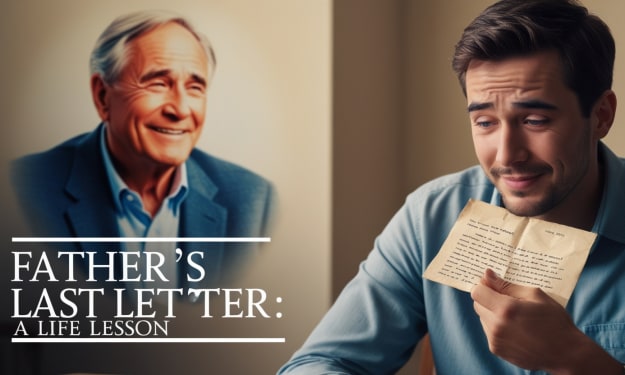
Father's Last Letter: A Life Lesson for His Son
Ravi held the letter in his trembling hands. It was the last one his father had written in his final days. It was a simple piece of paper, yet the words on it carried an ocean of emotions. Tears streamed down Ravi's face as he sat alone in his room, reading the letter repeatedly. Each time, his heart ached more.
By Prashant Sharma2 years ago in Families
Early Struggles: Finding Love in Unlikely Places
Life often throws us into a whirlwind of challenges, and sometimes it feels as though every door is closed. This was my reality for most of my early adult life. By the time I was 35, everything changed, but the road to that turning point was filled with trials that tested my resilience and faith.
By denizan Lawyer2 years ago in Families
How Old Is Your Body? Discover with a One-Leg Balance Test
According to a recent study, the time you can stand on one leg is the greatest indication of physical aging. So I was lying in bed the other night, trying to see my phone, and I began whining to my wife about how my eyesight continues getting worse, and then how stiff I feel when I get up in the morning, and how a recent injury is taking too long to recover, and she answered, "Well, well, you’re 44. That’s when things start to go downhill.”
By Pedro Wilson2 years ago in Families