immediate family
Blood makes you related, loyalty makes you family.
Trinity Health Ann Arbor
Trinity Health Ann Arbor, located in Ypsilanti, Michigan, is a nationally recognized teaching hospital that continues to set the standard for compassionate, high-quality care. As part of the Trinity Health Michigan network, this 560-bed facility has built a reputation for combining advanced medical expertise with a strong commitment to community well-being. Whether it’s through groundbreaking treatments, award-winning specialty programs, or outreach initiatives, Trinity Health Ann Arbor remains a trusted partner in health for thousands of families across southeast Michigan.
By salamguideabout a year ago in Families
The Empty Chair at the Table. AI-Generated.
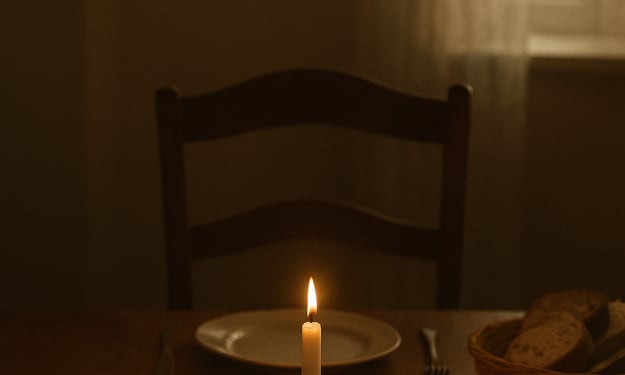
Every Sunday evening, our family gathered around the dining room table. It wasn’t anything elaborate — just a slightly scratched oak table my parents bought when they first married — but for us, it was the heart of our home. The meals followed a rhythm: roast chicken with thyme, or Mom’s lasagna layered with too much cheese, or the beef stew that simmered all day until it perfumed the entire house. My father would always say grace, short and steady, before passing the serving spoon to my mother. Anna, my younger sister, never waited patiently for her turn; she would sneak a roll the moment she thought no one was looking. Laughter always followed, and my father would shake his head in mock disapproval before reaching for one himself. That table wasn’t just where we ate. It was where homework was checked, where birthday cakes were cut, where plans for vacations and college applications and even arguments about curfews unfolded. It was our anchor. And then, last spring, my father died. --- The Sunday after his funeral, we sat down at the same table out of habit, but everything about it felt wrong. The food was there, but the silence was heavier than the smell of roasted garlic and rosemary. His chair sat empty, and none of us knew what to do with it. Anna poked at her food without eating. My mother tried to keep conversation going — “Anna, how’s school? Jacob, how’s work?” — but her voice cracked before the questions could land. I remember staring at the chair, wishing more than anything that I could unsee its emptiness. That night, when I loaded the dishwasher, I thought maybe we should stop. Maybe it was too painful to sit there every week, pretending we were still whole. But my mother surprised me. “No,” she said firmly when I suggested it. “We keep going. That table has seen our best days, and now it will see our worst. But we don’t walk away from it.” --- The next Sunday, she placed a candle in front of Dad’s chair. She didn’t announce it, didn’t explain, just struck a match and let the small flame burn while we ate. It felt strange at first — like a ceremony we hadn’t agreed upon — but then Anna reached over and straightened the napkin in front of the chair, the way Dad always had before sitting down. The candle became part of our ritual. Sometimes we told stories about him — how he once burned an entire batch of pancakes but served them anyway, calling them “extra crispy”; how he fell asleep in the recliner with the TV remote still in his hand. Other times, none of us spoke about him at all. We just let the flickering light speak for us, steady and soft. The table didn’t heal us overnight. Grief is stubborn like that. It lingers, reshaping the way ordinary moments feel. But the table gave us a place to put that grief, to carry it together rather than separately. --- One evening, months later, I almost skipped dinner. Work had drained me, and grief still sat on my shoulders like an invisible weight. I parked my car outside the house and considered driving away, telling Mom I was too tired. But when I opened the front door, I heard laughter. I froze. It startled me — laughter, in this house that had felt so heavy for so long. I walked into the dining room to find Anna mid-story, reenacting a ridiculous customer from her job. Mom laughed so hard she wiped tears from her eyes. The candle still burned in front of Dad’s chair, its flame steady, but the room no longer felt suffocated by sadness. That night, I realized the table had done something profound. It hadn’t erased the absence — nothing could — but it had given us permission to live again. To remember Dad not only in silence and sorrow, but also in joy. --- Now, more than a year later, the chair is still empty. The candle still burns. And every Sunday, no matter how busy our lives become, we find ourselves drawn back to that table. Sometimes we still cry. Sometimes the laughter is louder than the grief. Both belong. The table has taught me that loss doesn’t mean love ends. Love lingers, flickering quietly, as long as we keep showing up to tend the flame. And so we do.
By Muhammad umairabout a year ago in Families
Your Biggest Teacher Will Always Be Pain
Introduction: When Life Breaks Without Warning No one prepares you for the silence that follows after loss. One day, a voice, a laugh, or a presence fills the air around you—and then, suddenly, it doesn’t. The first time I truly understood pain wasn’t through failure or rejection, but through loss. It has a way of showing up uninvited, settling deep in your chest, and refusing to leave.
By Nadeem Shah about a year ago in Families
Aetna better health of florida
Aetna Better Health of Florida: Comprehensive Care for Every Stage of Life Aetna Better Health of Florida: Comprehensive Care for Every Stage of Life provides Medicaid-managed care focused on prevention, primary and specialty services, and support programs for families, seniors, and individuals with chronic conditions. Key benefits Primary & specialty care Preventive services (checkups, vaccines) Maternity & newborn support Chronic condition management Behavioral health and pharmacy coverage Member support Transportation help, care coordination, and health education. Case management for complex needs. Why it matters The plan removes barriers to care, offering coordinated services that match members’ needs at every life stage. Your Guide to Aetna Better Health of Florida: Benefits, Services, and Support Aetna Better Health of Florida: Benefits, Services, and Support is designed to provide quality Medicaid-managed care for individuals and families across the state. This plan focuses on affordable access to doctors, preventive care, and specialized services to help members stay healthy at every stage of life. Benefits of Aetna Better Health of Florida Members can expect a wide range of health benefits, including: Primary and specialty carefor both standard and complex medical requirements. Preventive care such as checkups, screenings, and vaccinations. Maternity and newborn services to support healthy pregnancies and babies. Behavioral health support for the care of mental health and substance use. Prescription coverage for affordable medications. Aetna better health of florida Services That Support Your Health Beyond medical treatment, the plan offers additional services to make care more accessible, such as: Transportation to appointments. Case management for members with complex health needs. Health education programs to encourage healthy lifestyles. Why Choose Aetna Better Health of Florida? This plan stands out for its focus on the whole person. By combining medical care, preventive services, and member support programs, Aetna Better Health of Florida ensures you receive comprehensive care that fits your needs. Aetna better health of florida Why Choose Aetna Better Health of Florida for Quality Medicaid Coverage When it comes to choosing a Medicaid plan, finding one that balances quality care, affordability, and member support is essential. Aetna Better Health of Florida for Quality Medicaid Coverage is designed to meet these needs, offering a wide range of health services that help members live healthier lives. Comprehensive Benefits Through Aetna Better Health of Florida, members are provided with access to: Primary and specialty care for everyday and complex health needs. Preventive services including annual checkups, screenings, and immunizations. Maternity and newborn care for growing families. Behavioral health services covering mental health and substance use treatment. Prescription coverage for affordable and necessary medications. Aetna better health of florida Member Support Services This plan goes beyond medical coverage by providing extra resources such as: Transportation to medical appointments. Care coordination and case management. Health and wellness education to encourage better lifestyle choices. Why It Stands Out Aetna Better Health of Florida is more than insurance—it’s a trusted partner in care. Its focus on accessibility, preventive services, and personalized support makes it one of the strongest options for Medicaid coverage in Florida. Aetna better health of florida Exploring Aetna Better Health of Florida: Affordable Care with Trusted Support Healthcare should be accessible, reliable, and affordable. That’s exactly what Aetna Better Health of Florida: Affordable Care with Trusted Support delivers. This Medicaid-managed care plan is designed to provide members with high-quality health services, while also offering the guidance and resources needed to stay healthy. Affordable Care for Every Need Aetna Better Health of Florida makes it easier for members to get the care they need without financial stress. The plan includes: Primary and specialty care for routine and advanced health needs. Preventive services like screenings, checkups, and vaccines. Maternity and newborn care to support mothers and babies. Behavioral health services for mental health and substance use treatment. Prescription coverage for affordable medications.
By salamguideabout a year ago in Families
At Papa’s Funeral, I Learned That Some Legacies Can’t Be Buried
I can’t tell if the yowling’s for the dead or the heat. It’s cicada hiss and lawn mower growl hot—so hot, it’s disrespectful. But as Dad shovels dirt over Papa, I’m cold. I can't cry, and it feels like sin. “It's alright to grieve,” Aunt June whispers. “Ain't no shame in it.” She fans herself with a program as tears drip below her sunglasses. She means it's shameful not to cry, especially for your own. But I can't put on grief like wide-brimmed hats and pearls and black dresses. Can't wear it if I don't mean it. “Who’s catering?” I say. “I'm starved.” “Lawd!” June scowls and whacks my shoulder with the program. Bone-white laurels punch through the dirt like defiant little fists. My uncle stomps over their petals, a banjolele slung over his shoulder. A stringed thing torn between a banjo and ukulele, mourning and joy. He stops beside the gravediggers and smiles. “For Papa,” he says, and strums. The bluegrass starts low but swings lighter, too cheery. Feet thump against dirt. A few hips sway. The song almost turns Papa’s funeral into a shindig, like we can't decide whether to celebrate or sob. At least, I can't. I don’t hate Papa. Just never knew how to like him. War, whiskey, and whatever else made him mean. A monster most days. But human, somehow, when he told stories. The man could lie like a Craigslist landlord. But a few of his tales were true, like how his Pops made him wait outside town shops, too ashamed of the darkness of his own son's skin. He also told war stories. Well, started them. They ended like his altar boy stories, in a grunt, silence, and another bottle. Last time I saw Papa, a few months before he died, he slumped in that ugly olive recliner, its guts spilling out the side. Cancer made him thinner, weaker, but no less angry. “He still flies off the handle over nothin’,” June muttered. She told me Papa had been phoning friends and bragging to the neighbors about how his grandkid got into college—akin to an Olympic gold medal in our small Appalachian town. So he hugged me when he saw me and stuck a cigar in my palm, even though he always said smokes weren't for girls. We rocked on the porch and talked, smoking as the sky turned from gold to dusky purple. Fireflies sparked in the weeds. Papa slapped his knee when I told him how I aced my first exam, and asked all about school more than he'd ever asked me about anything. Dad and his siblings didn't make it through high school, and my cousins spent more time behind bars than out 'cause they couldn't keep away from dope. Papa didn't get boys to brag on. He got me. “There's a spirit in these woods,” Papa said. He told me the legend of a lost soul who whistles past the willows, only in summer, near graves. He carries the bones of his father in a sack over his shoulder. “He just keeps walkin’, bones clackin’ like ice in a cup, lookin’ for a place to lay it down. But never does.” “Why not?” I asked. Papa scratched his beard. “Some things can’t be put away, no matter how hard ya try.” He went quiet for a moment, then shouted at June to bring him a beer. She took too long. When she finally handed it over, he tossed it at her and shattered it against the brick, just shy of her head. June still kept his meds organized, drove him to appointments, even helped bathe him when his legs started to give. She looked after him, and that's how he thanked her. Papa asked if I’d come back soon. I said maybe, but lied. To him, women were maids and half-brains. But even my half a brain knew to get out before he made me into June. Now, past the freshly buried casket and teary crowd, willow trees line the graveyard. They're bent and mournful. A brief gust makes the boughs drift slow and ghost-like as Papa’s voice echoes in my head: “Only in summer, by the graves. He carries a sack of his father’s bones. Looks for a spot to bury ‘em. Never finds one. Can’t let go.” But I don't see a spirit by the willows. Just Dad standing stiff, shoulders tight. No ghostly whistle, only sniffles and wailing from the people Papa hurt most. As if he didn't flick his family away like a cigarette out of a car window. Dad stares at me and marches over. I see that tiny patch of dark skin on his left arm, still there from when Papa stuck a lighter to him after he “stole” a pack of gum as a toddler. Dad waves a hand in front of my face. “It's hotter than the hinges of hell out here. Y’alright?” I nod. It's not a lie. Papa’s gone, and I'm fine. Cold. And that feels worse than being sad. Makes me feel like a beast, like I belong out in the woods on all fours more than in a dress and heels. Finally, everyone shuffles back through the grass, to a narrow path leading to the church. It's a white stoned building, sticking out of our godforsaken town like a diamond in dirt. I’m glad it’s almost done—the wails, the fake condolences, the platitudes. They say Papa lit up every room, but don't say how. They don't admit he doused it in gasoline and struck a match—just say he had a nice smile. Like most of his stories, his eulogy’s a tall tale. One I'm tired of hearing. We step past a wrought-iron gate screaming at the joints. A heavy silence makes my body tense. Even the birds hush. I walk beside Dad, no noise except the crunch of gravel beneath our feet. June stops at the open church doors, dabbing her eyes, and waves us over. But Dad doesn't follow the crowd inside. He nods to the parking lot and I follow, until we plop onto his truck bed. The metal sears through cotton into my thighs. I don't move. Dad doesn’t say anything as he passes me a steaming water bottle buried under a towel, hands shaking a little. Mine shake too. I want to ask if he’s glad Papa’s gone, but the question feels wicked. Does Dad feel the same? Is he…relieved? Ashamed? Done with this funeral, too? “Think you'll miss him?” Dad doesn't answer right away. Doesn't look at me when he does. “I’ll miss who he coulda been.” I nod and squeeze my hands together tight. “I'm proud of you, you know that?” Dad says. “Hell, you’re the only good thing about me.” I force a smile. Dad’s never been good with feelings. Neither have I. But if I’d been raised by Papa—never told I was loved, hit instead of held—I’d be worse. At least I got more than he did. I got scraps, but Dad got starved. And I know Dad cares. I see it in his eyes, and in the way he calls on my breaks to ask if I’ll come visit. He looks like he wants to say more, but sighs and picks at a hangnail. I want to ask if Papa ever told Dad he was proud, but I already know. Dad yanks out a cigarette and marches toward the tree line. He leans against a trunk, folds his arms, and whistles. A tear burns down my cheek, and I'm relieved. Maybe flesh beats behind my chest instead of granite after all. But I don’t cry for Papa. I cry for Dad. Just ‘cause you bury a man doesn’t mean the hurt goes down with him. Maybe Papa learned that from his Pops, Dad learned it from Papa, and I learned it from Dad. I pray mine won't learn it from me. If Papa were here, what story would he tell? I’ll never know—and maybe that’s best. As Dad finishes his smoke, I head for the church. Sun whips my skin. My tears are already dry as I walk on, quietly carrying his bones.
By DigitalAddiabout a year ago in Families
R.E.A.L. Talk Self with Sylvia Gina Hunt Episode 20 (Part 2)
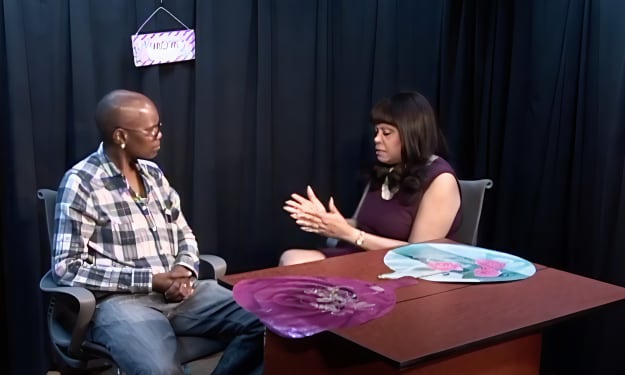
B.E.A.T. Productions shot Episode 20 of R.E.A.L. Talk Self with Sylvia Gina Hunt in the Manhattan Neighborhood Network (MNN) studios on May 11, 2018. A personal and poignant interview between host Sylvia Gina Hunt and her guest Julienne Jack was featured in this episode, which was the continuation of a two-part series. The discussion focused on Julienne's relationship with her mother, Elmyra Wilkinson Jack, and examined the impact of personal sacrifice, resiliency, and family history. Julienne shared the traits that set her mother apart and the influence those traits had on their lives with candor and evocative storytelling.
By B.E.A.T Productionsabout a year ago in Families
R.E.A.L. Talk Self with Sylvia Gina Hunt – Episode 20 (Part 1 of 2)
An emotional, profoundly historical, and poignant discussion about the life and legacy of Elmyra Wilkinson Jack was featured in Episode 20 of R.E.A.L. Talk Self with Sylvia Gina Hunt. Julienne Jack, Hunt's special guest, paid tribute to her late mother's remarkable journey from her early days in Montclair, New Jersey, to her career as a singer, wife, mother, and eventually the wife of the first African American borough president of Manhattan. Hunt led the discussion with kindness and deference as Julian related a variety of tales that honored her mother's life while also making connections to the greater narrative of American history.
By B.E.A.T Productionsabout a year ago in Families
She Left a Note on the Coffee Table—Three Words That Broke Me
I still remember the way the light filtered through the curtains that morning. It was one of those soft, golden mornings that should have promised peace. But instead, it delivered heartbreak. The coffee was still warm in the pot. The silence of the apartment was heavy, unnatural. And there, in the center of the living room, was a note.
By Engr. Mansoor Ahmadabout a year ago in Families