grandparents
Becoming a grandparent makes getting older something to look forward to - all the fun of parenting, without the hassle.
Family Reunions
The old Victorian house stood tall, weathered by time, as if it held within its walls the echoes of a thousand whispered family secrets. The air was thick with anticipation as relatives from near and far gathered for the annual family reunion. What should have been a joyous occasion quickly turned into a storm of emotions, as a long-buried secret threatened to unravel the very fabric of their bonds.
By ADEOLA ADEKUNLE3 years ago in Families
How to Eat Your Way to a Healthy Heart: The Best Foods for Preventing and Managing Heart Disease
• How to Eat Your Way to a Healthy Heart: The Best Foods for Preventing and Managing Heart Disease • Here are some tips first to keep a healthy heart Heart Health: Tips to Keep Your Heart Healthy Heart disease is one of the leading causes of death in the world, but it can be prevented by following a heart-healthy lifestyle. Here are some tips to help you protect your heart and reduce your risk of heart problems. Don’t smoke or use tobacco. Smoking damages the heart and blood vessels, increases blood pressure and heart rate, and reduces the oxygen in the blood. Quitting smoking can lower your risk of heart disease significantly within a year. Avoid secondhand smoke as well. Get moving. Physical activity helps control your weight, lower your blood pressure and cholesterol, and prevent type 2 diabetes. Aim for at least 150 minutes of moderate aerobic exercise or 75 minutes of vigorous aerobic exercise per week, plus strength training twice a week. You can also do shorter bouts of activity throughout the day, such as walking, gardening, or taking the stairs. Eat a heart-healthy diet. A balanced diet that includes plenty of vegetables, fruits, whole grains, beans, lean meats, fish, low-fat dairy, and healthy fats can help protect your heart. Avoid foods that are high in salt, sugar, saturated fat, and trans fat. Some examples of heart-healthy eating plans are the DASH diet and the Mediterranean diet. Manage your stress. Stress can affect your mood, blood pressure, and heart health. Find healthy ways to cope with stress, such as hobbies, music, laughter, meditation, or therapy. Avoid using alcohol, drugs, or tobacco to deal with stress. Know your numbers. Check your blood pressure, cholesterol, blood sugar, and body mass index (BMI) regularly and talk to your doctor about your results. These numbers can help you monitor your heart health and identify any risk factors or problems that need treatment. Take care of your teeth. Poor oral hygiene can increase the risk of infections that can affect the heart. Brush your teeth twice a day, floss daily, and visit your dentist regularly. Drink moderately. Alcohol can have both positive and negative effects on the heart, depending on how much you drink. Moderate drinking (one drink a day for women and two drinks a day for men) may lower the risk of some types of heart disease, but heavy drinking can increase blood pressure, damage the heart muscle, and cause other problems. If you don’t drink alcohol, don’t start for the sake of your heart. Have fun. Having a positive outlook and enjoying life can boost your heart health. Do things that make you happy, such as spending time with friends and family, pursuing your passions, or having sex. Sex can also lower blood pressure and improve cardiovascular fitness. By following these tips, you can improve your heart health and live a longer and happier life. The Heart-Healthy Diet: What to Eat and What to Avoid for Optimal Cardiovascular Health How to Eat Your Way to a Healthy Heart: The Best Foods for Preventing and Managing Heart Disease • Introduction: Explain what heart disease is and why it is important to eat healthy foods to prevent or manage it. Provide some statistics or facts to support your claim. State your main argument or thesis statement, such as "Eating a balanced diet rich in fruits, vegetables, whole grains, nuts, seeds, fish, and lean meats can lower the risk of heart disease and improve the quality of life for people with heart disease." • Body paragraph 1: Discuss how fruits and vegetables can benefit the heart by providing antioxidants, vitamins, minerals, and fiber. Give some examples of fruits and vegetables that are good for the heart, such as berries, citrus fruits, leafy greens, tomatoes, carrots, etc. Explain how they can lower blood pressure, cholesterol, inflammation, and oxidative stress. • Body paragraph 2: Discuss how whole grains can benefit the heart by providing complex carbohydrates, fiber, phytochemicals, and minerals. Give some examples of whole grains that are good for the heart, such as oats, barley, quinoa, brown rice, etc. Explain how they can regulate blood sugar, lower cholesterol, and prevent blood clots. • Body paragraph 3: Discuss how nuts and seeds can benefit the heart by providing healthy fats, protein, fiber, and antioxidants. Give some examples of nuts and seeds that are good for the heart, such as almonds, walnuts, pistachios, flaxseeds, chia seeds, etc. Explain how they can lower cholesterol, triglycerides, blood pressure, and inflammation. • Body paragraph 4: Discuss how fish and lean meats can benefit the heart by providing protein, omega-3 fatty acids, iron, and zinc. Give some examples of fish and lean meats that are good for the heart, such as salmon, tuna, sardines, chicken breast, turkey breast, etc. Explain how they can lower triglycerides, blood pressure, inflammation, and improve blood flow. • Conclusion: Summarize your main points and restate your thesis statement. Emphasize the importance of eating a balanced diet for heart health and provide some tips or recommendations for choosing and preparing healthy foods.
By Mostafa Gamal 3 years ago in Families
The Tenant's Triumph
Sarah sat on her worn-out couch, staring at the latest letter from her landlord. Another rent increase. It seemed like an endless cycle. Each year, she watched her hard-earned money disappear into the hands of someone else, leaving her dreams of homeownership further out of reach.
By Emmanuel Aboluade3 years ago in Families
The Roaring Grandfather
Knock, knock. Who's there? Grandpa with a voice so loud, he can wake the neighbors from their afternoon nap! There was a family gathering at the house of an elderly grandfather known for his booming voice. The whole family had come from near and far to celebrate his 80th birthday, and they were all excited to spend time together.
By sheila akoth3 years ago in Families
How Eating Marine Fish Can Boost Your Health and Happiness
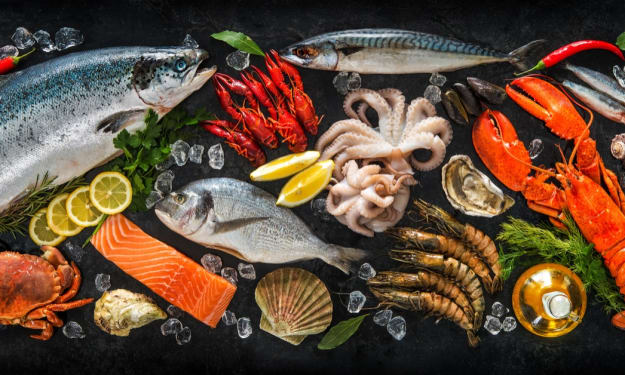
• Why You Should Eat More Marine Fish Fish is one of the healthiest foods on the planet. It is packed with protein, vitamins, minerals, and omega-3 fatty acids that are essential for your body and brain. But not all fish are created equal. Some fish are higher in nutrients and lower in contaminants than others. That's why you should eat more marine fish, especially the fatty ones like salmon, sardines, and mackerel. Here are some of the amazing benefits of eating marine fish. • It Provides Instant Energy Your body needs an adequate amount of protein to stay energized. Consuming fish can work as an instant energy booster due to the high protein content found in it. Protein also helps build and repair your muscles, bones, skin, and hair. Marine fish are especially rich in protein, with about 20–25 grams per 3-ounce (85-gram) serving². That's more than a quarter of your daily protein needs. • It Lowers Your Risk of Heart Disease and Stroke Heart disease and stroke are the leading causes of death worldwide². Eating fish can help protect your heart and blood vessels from these conditions. The omega-3 fatty acids in fish lower your blood pressure, heart rate, triglycerides, and inflammation. They also prevent the formation of blood clots and irregular heartbeats that can lead to heart attacks and strokes²⁵. Studies show that eating at least one serving of fish per week can reduce your risk of heart disease by 15% and your risk of stroke by 6%². • It Supports Your Brain and Eye Health Omega-3 fatty acids are also crucial for your brain and eye development and function. They make up a large part of the cell membranes in your nervous system and retina. They help transmit signals between nerve cells and improve your memory, learning, mood, and vision². Eating marine fish can provide you with enough omega-3s to meet your daily needs. For example, a half fillet (154-gram) of wild-caught salmon contains about 4 grams of omega-3s, which is more than the recommended intake for most adults³. Studies show that eating fish can lower your risk of cognitive decline, dementia, depression, and age-related macular degeneration². • It Boosts Your Immune System and Skin Health Marine fish are also rich in other nutrients that support your immune system and skin health. They contain vitamin B12, selenium, zinc, and iron, which are involved in producing antibodies, fighting infections, healing wounds, and preventing anemia²⁴. They also contain vitamin D, which helps regulate your immune response and calcium absorption². Vitamin D is often lacking in many people's diets, especially in winter or in areas with low sunlight exposure. Eating fatty fish can help you get enough vitamin D to prevent deficiency and its associated health problems². • It Is Easy to Digest and Delicious Marine fish meat is easy to digest and does not cause bloating or gas like some other animal products. It also helps the body to grow and decay⁴. Moreover, marine fish are delicious and versatile. You can enjoy them grilled, baked, steamed, or fried. You can also add them to salads, soups, sandwiches, or pasta dishes. There are many types of marine fish to choose from, such as tuna, cod, herring, trout, halibut, or anchovies. Just make sure to choose low-mercury fish that are wild-caught or sustainably farmed². As you can see, eating marine fish has many benefits for your health and well-being. It can provide you with instant energy, lower your risk of heart disease and stroke, support your brain and eye health, boost your immune system and skin health, and satisfy your taste buds. So what are you waiting for? Add more marine fish to your diet today and enjoy its amazing effects!
By Mostafa Gamal 3 years ago in Families
Fragments of Love
Once upon a time, in a quaint village nestled amidst rolling hills, there lived a family that was the epitome of love and togetherness. The Thompsons, consisting of Thomas, Amelia, and their young daughter Emily, were known for their warm hearts and unwavering bond. However, as fate would have it, a tragedy struck that shook their world to its core.
By sheila akoth3 years ago in Families
The lost neighborhood under New York's Central Park
The lost neighborhood under New York's Central Park Williams settled the neighborhood and over time, more black families and churches moved in. It was here that the community of Seneca Village was born, which provided affordable, safe housing as well as the opportunity for black men to vote. The community grew to nearly 300 residents, many of whom were laborers and domestic workers. Over time, the community became unique for its integrated nature.
By Khashy Jalooti3 years ago in Families
The Dangers of Trans Fats
Trans fats are a type of unhealthy fat that has garnered significant attention due to their detrimental effects on cardiovascular health. These fats are artificially produced through a process called hydrogenation, which converts liquid vegetable oils into solid fats. Trans fats have been widely used in the food industry for their ability to improve the texture, flavor, and shelf life of processed foods. However, research has shown that consuming trans fats can have serious implications for cardiovascular health, increasing the risk of heart disease, stroke, and other related conditions. This essay aims to explore the dangers of trans fats, shed light on their impact on cardiovascular health, and discuss measures taken to reduce their presence in the food supply.
By solomon Christian3 years ago in Families
the power of the family
Once upon a time, in a small town nestled among rolling green hills, lived the Johnson family. The Johnsons were known far and wide for their strong bond and unwavering support for one another. They were a close-knit family who understood the true value of kinship, and their story beautifully exemplifies why family is so incredibly important.
By krzysi0lek3 years ago in Families
The Enchanted Forest
Once upon a time, in a small village nestled at the edge of a dense forest, lived two adventurous children named Lucy and Max. They were inseparable and always sought new and exciting experiences. Their curious spirits led them to embark on an extraordinary journey into the enchanted forest.
By Himanshu Bhanwak3 years ago in Families