children
Children: Our most valuable natural resource.
Definition of obesity
I. Introduction - Definition of obesity Obesity is a medical condition characterised by excessive accumulation of body fat, which may have adverse effects on an individual's health. It is typically determined by measuring body mass index (BMI), a ratio of weight to height. According to the World Health Organisation (WHO), a BMI of 30 or higher indicates obesity. Obesity is a complex condition that can result from various factors, including genetics, lifestyle choices, and environmental factors. It has become a major public health concern worldwide due to its association with numerous
By sayed hagrs3 years ago in Families
Father’s legacy
In the journey of life, there are certain figures who leave indelible imprints on our hearts and souls. Among these guiding lights, fathers hold a unique place. Fathers are not only the protectors and providers for their families, but they also leave behind a trail of footprints that shape the lives of their children. These footprints serve as a source of inspiration, guidance, and strength for generations to come.
By Kashaf Musayyab3 years ago in Families
The Thrilling Adventure of Mindful Parenting: Nurturing Connection and Presence with Your Children
Title: The Thrilling Adventure of Mindful Parenting: Nurturing Connection and Presence with Your Children Introduction: In the journey of parenthood, there exists a thrilling adventure that has the power to transform both our lives and the lives of our children. It is the path of mindful parenting, where we embrace the present moment with our little ones, fostering deeper connections and creating joyful memories that will last a lifetime. In this professional yet uplifting article, we will explore the essence of mindful parenting, uncover its remarkable benefits, and embark on a thrilling ride through practical techniques that can be applied in our everyday lives.
By OFFICIAL MALING3 years ago in Families
How Coraline Brought Memories a Certain Candy
“Do not raise your children the way your parents raised you; they were born for a different time.” - Bill Vaughan Last weekend, I was in my mother’s bedroom with my little sister while she was fixing her hair for school. I was bored being in my room, so I went into hers. My little sister turned on Coraline. Remember the movie about the little girl who kept entering a secret door to see her other parents? I cannot go into full detail because it is not my favorite movie. I know it is based upon a book, but I have never read it. There is a scene in the movie where Coraline meets Miss Spink and Miss Forcible at their apartment and she sits on the couch. One of the ladies offers Coraline a bowl of candy. This candy was light pink and green and had stripes on it. “Hey! That is the nasty candy that we had back then,”my mom said. She is in disgust and anger, just thinking about that candy because there were not any good memories. She tells me this story about how the elderly women in our family became bougee when they started moving on up because they grew up dirt poor. My grandmother, Vera, was raised on a farm with her father who was a dog groomer so that is why she always had dogs. Our grandmother thought that candy was the thang in the eighties. She had no candy other than this one. It was always stuck together and unwrapped. She would make her eat the candy, not even asking her whether she wanted it. Whenever she had the chance, she used to go to the bathroom and spit out the candy, watching it go down the drain after flushing it. “Eat that candy girl!”my mom said, mimicking the voices of my grandmother. “How does that candy taste?”she said, her mouth scrunched. “Oh, there is not anything wrong with that candy.” “That candy was disgusting.” “Why did she keep offering it to you?” I asked, my voice shaking after laughing so much. “I do not even know myself,”she replied. I could not believe what she was telling me. There is no way that candy was that terrible to where she pretended to like it so she can find ways to get rid of it. She would also sit on the couch like Coraline in that scene and pretend to keep it in her mouth. She could never say no to her. My aunt Evelyn never had that candy. She always had peppermints. My mom grew up in an era where it was a certain level of power between children and adults. Kids did what they were told to do because if they did other than that, they would be disciplined, and I do not mean the regular discipline. The discipline in black households: beat with extension cords and slapped hard in the face. I was born in the early 2000s, so I was in the era of Skittles, Reeses, Starbursts, Gummies and Jolly Ranchers. Every time I went to the dentist, they would never find cavities except for my sister. My mom does not know the name of the candy in Coraline but remembers exactly how it looked and that is how she was able to recognize it. It was like torture, and she had to be obedient. This was a story that I wanted share because it surprises me how much my mother can recall from her childhood. If any of my readers are from Generation X and they know the name of this candy, let me know in the comments. Question of the day: What is your favorite candy and what do you like about it?
By Janay Ealey3 years ago in Families
Unveiling the Intricate Cultural Landscape of Divorce in India
Divorce, the dissolution of marital ties, is a topic entrenched in the rich tapestry of Indian culture. The cultural complexity surrounding divorce in India is an intriguing phenomenon that warrants exploration and understanding. This article delves into the multifaceted factors contributing to the attitudes and perceptions of divorce in Indian society. By examining the historical, social, and cultural dimensions, we aim to shed light on the intricate web of beliefs and traditions that shape the Indian perspective on divorce.
By venkat jobs3 years ago in Families
Understanding and Addressing Addiction
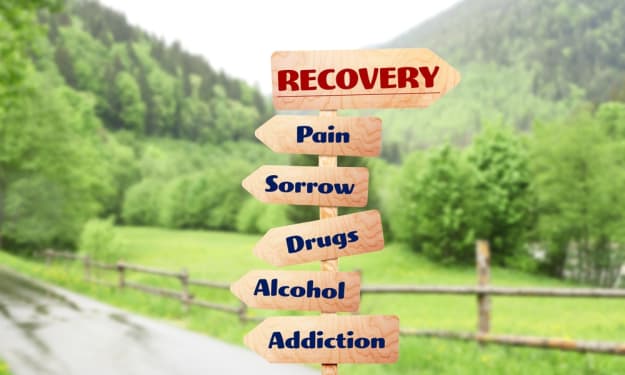
Introduction Addiction is a complex and challenging issue that affects individuals and families across the globe. Whether it is substance abuse, gambling, or technology dependency, addiction can have profound physical, psychological, and social consequences. Understanding the nature of addiction, its underlying causes, and implementing effective strategies for prevention and treatment is crucial in addressing this growing societal concern. In this article, we will explore addiction, its impact, and discuss approaches to support individuals in their journey towards recovery.
By ISRAEL AUSTIN LEKE 3 years ago in Families
Live a long and healthy life
Living a long and healthy life is a desire shared by everyone, but achieving this goal requires some effort. Here are a few tips to help you achieve longevity and well-being: 1. Make sure you get enough sleep each night. Your body needs rest to regenerate and restore itself. 2. Exercise regularly to maintain your physical and mental health. Choose a form of exercise you enjoy, such as jogging, swimming, cycling, or dancing. 3. Eat a balanced and nutritious diet. Include a variety of foods from all food groups, such as whole grains, fruits, vegetables, lean proteins, and healthy fats. 4. Manage stress levels through relaxation techniques, such as deep breathing, yoga, or meditation. Stress can affect your physical and mental health and shorten your life expectancy. 5. Limit your intake of alcohol, tobacco, and other harmful substances. Excessive drinking and smoking can damage your organs and increase the risk of various diseases. 6. Keep your brain active by reading, learning, or engaging in mentally stimulating activities. Mental exercises can help reduce the risk of cognitive decline and keep your mind sharp. 7. Cultivate strong social connections. Interacting with friends, family, and other supportive people can boost your mood, reduce stress, and promote overall well-being. 8. Visit your doctor regularly for check-ups and screenings. Early detection and treatment of health issues can improve your chances of recovery and reduce the risk of complications. By following these guidelines, you can enjoy a long and healthy life filled with vitality, energy, and happiness. Remember, it's never too late to start taking care of your health, so start today! 1. Eat Healthily The old saying "you are what you eat" is very true when it comes to living a long and healthy life. Eat a balanced diet of fruits, vegetables, lean proteins, and whole grains. Avoid processed foods, saturated fats, and sugary foods. 2. Stay Active Staying active is another crucial tip for living a long and healthy life. Physical activities help you maintain a healthy weight, reduce the risk of diseases, and promote good mental health. Aim to engage in moderate exercise for at least 30 minutes each day. 3. Drink Enough Water Drinking enough water is crucial for a healthy life. Water helps regulate body temperature, aids digestion, and flushes out toxins from the body. Aim to drink at least 8 glasses of water daily. 4. Manage Stress Stress can take a toll on your health if not managed well. Manage stress by practicing relaxation techniques such as meditation, yoga, or deep breathing exercises. 5. Get Enough Sleep Getting enough sleep is essential for overall health and wellbeing. Aim to get 7-8 hours of sleep every night. 6. Socialize Having strong social connections is essential for a long and healthy life. Interact with family and friends, and participate in social activities. In summary, living a long and healthy life requires taking care of your physical, mental, and social health. Eat healthily, stay active, drink enough water, manage stress, get enough sleep, and socialize. These tips can help you live a long, healthy, and fulfilling life. Living a healthy lifestyle offers numerous benefits that positively impact our mental, physical, and emotional wellbeing. The advantages of prioritizing our health include: 1. Increased energy and productivity - when we eat a nutritious diet, exercise regularly and get enough sleep, our body feels more energized, leading to increased productivity at work and home. 2. Improved mental health - Engaging in healthy activities, such as yoga, meditation, or even taking a walk outdoors, can significantly improve our mental health, reduce anxiety, and depression. 3. Better sleep quality - A healthy lifestyle contributes to a good night's sleep, leading to better focus, mood and cognitive function. 4. Lower risk of chronic illnesses - By taking care of our physical health, we reduce the risk of developing chronic illnesses such as heart disease, cancer, diabetes, and obesity. 5. Increased confidence and self-esteem - Taking care of our physical and mental health also improves our self-esteem and confidence, leading to a better quality of life. Overall, making a commitment to living a healthy lifestyle leads to numerous benefits that ultimately improve our quality of life. By making small but consistent changes to our daily routine, we can start to reap the benefits of a healthy life and be the best version of ourselves.
By Samuel Ajayi3 years ago in Families
Mental Health Consequences of Social Isolation
Anna was an introspective woman who had plenty of friends and enjoyed interacting with other people. But, as with most people, she had her days when she preferred to be alone with her thoughts. It wasn’t long until her preference for solitude turned into a compulsion, and Anna became increasingly isolated from her friends and family.
By Selina Nzaka3 years ago in Families
The Power of Empathy
Introduction Empathy is a fundamental human trait that plays a vital role in building meaningful connections, fostering positive relationships, and promoting a compassionate society. In this article, we delve into the development of empathy in children, exploring its significance and the ways it shapes their relationships and social interactions. By understanding how empathy evolves and the factors that influence its growth, parents, educators, and caregivers can nurture this essential quality in children and help them navigate the complexities of human emotions with kindness and understanding.
By Praise Gbakara3 years ago in Families