celebrities
From the Kennedys to the House of Windsor, these celebrity families have had generations in the spotlight.
She Left a Note on the Coffee Table—Three Words That Broke Me
I still remember the way the light filtered through the curtains that morning. It was one of those soft, golden mornings that should have promised peace. But instead, it delivered heartbreak. The coffee was still warm in the pot. The silence of the apartment was heavy, unnatural. And there, in the center of the living room, was a note.
By Engr. Mansoor Ahmadabout a year ago in Families
Cosy Camp: More Than Just Camping Gear
When people think about camping, they often picture tents, sleeping bags, and a crackling campfire under a starry sky. But at Cosy Camp, we believe camping is more than a checklist of equipment—it’s about the memories you create, the stories you tell, and the connections you make with nature and with each other. That sleeping bag belief shapes everything we do, from the design of our premium camping gear to the hiking tent vibrant experiences we stretcher bed curate for campers of all ages camping lights and backgrounds.
By Kongfuseoamyabout a year ago in Families
14th August: A Nation’s Pride, A People’s Promise
* the spirit of freedom, unity, and the journey of Pakistan since independence. Every year, as the sun rises on the 14th of August, Pakistan awakens not just to another morning, but to a reminder—a powerful echo of resilience, sacrifice, and the dream of a separate homeland. Streets burst into green and white. Flags flutter from rooftops. Children rush outside wearing bangles, badges, and face paint. The atmosphere hums with pride. But behind this vibrant celebration lies a story stitched together with blood, sweat, and hope.
By Mansoor ahmadabout a year ago in Families
THE LOVE WITH FAMILY. Content Warning.
As I sat around the dinner table with my family, surrounded by the warm glow of candies and the delicious aroma of homemade cooking, I felt a deep sense of gratitude and love for people who had been my rock throughout the years. My family had always been there for me, through thick and thin, and I knew that I could count on them no metter what.
By Shamsher Khanabout a year ago in Families
THE MOTHER LOVE. Content Warning.
As bi sat by my mother's bedside, holding her frail hand gazing into her tired eyes, I couldn't help but think about the countless sacrifices she had made for me throughout the years. Her love had been my guiding light, my shelter in the storm, and my beacon of hope. In that moment, I realized that mother love is truely one of the most selfless and unconditional forms of love in the world.
By Shamsher Khanabout a year ago in Families
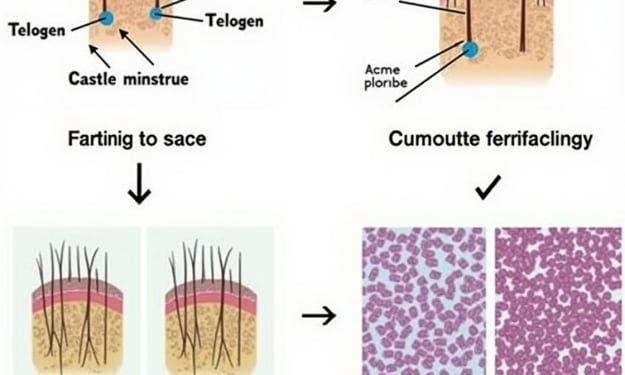
Diagnosis and Treatment of Hair Loss Disorders
Hair loss is a common concern affecting millions of men and women worldwide. It can occur due to various reasons including genetics, hormonal changes, nutritional deficiencies, stress, autoimmune diseases, or environmental factors. Understanding the root cause is crucial to choosing the most effective treatment plan. This guide explores the causes of hair loss, advanced treatment options, and preventive lifestyle strategies to help manage and possibly reverse the condition.
By Ahmad shahabout a year ago in Families
What Is Love
Love. It’s the word poets chase, musicians sing about, and philosophers try to define. Yet, if you ask ten people what love means, you’ll get ten different answers. Some will speak of romance, others of family, some of friendship, and a few of something more spiritual—a connection beyond the physical world.
By waseem khanabout a year ago in Families
The Kneeling Mother
The sun had not yet risen over the city of Kobe, Japan, when the earth began to tremble. It started as a low rumble, like a distant thunder, and then quickly escalated into a violent roar. Buildings swayed like trees in a storm, glass shattered, screams filled the air, and within moments, everything turned into dust and chaos.
By Ahmad shahabout a year ago in Families
Chikungunya Virus 2025: Symptoms, Prevention, and Vaccine Update for U.S. Travelers. Content Warning. AI-Generated.
The Chikungunya virus is a mosquito-borne illness that causes fever, severe joint pain, rash, and fatigue. Though it originated in Africa, it has become a global threat with recent outbreaks in China, Southeast Asia, and parts of Europe. In 2025, the virus has re-entered the public health spotlight as international travel resumes and case numbers rise. While no major outbreaks have occurred in the United States this year, the CDC is monitoring global developments and considering travel advisories, particularly for travelers to Asia. Common symptoms appear 3–7 days after a mosquito bite and include high fever, intense joint and muscle pain, rash, fatigue, headache, and nausea. In some cases, especially among older adults, joint pain can persist for months after recovery. Recognizing these symptoms early is crucial to avoid complications and to receive timely supportive care, especially in regions where other similar viruses like dengue and Zika also circulate. Two vaccines are available. Ixchiq was approved by the FDA in late 2023 as a live-attenuated single-dose vaccine. However, its use in adults over 60 is discouraged due to adverse effects, including rare cardiovascular and neurological reactions. A second option, Vimkunya, approved in early 2025 for individuals aged 12 and older, is gaining favor due to fewer safety concerns. Travelers should consult their doctors before receiving either vaccine. Both vaccines represent a significant step forward in the fight against mosquito-borne viruses, but understanding the risks and appropriate usage remains critical. As of mid-2025, the CDC is evaluating a travel notice for southern China, where recent outbreaks have been recorded. No autochthonous transmission has occurred in the continental U.S. this year, but experts remain vigilant due to increasing global spread. Chikungunya has previously caused small outbreaks in Florida and Puerto Rico, and imported cases could once again become a gateway to local transmission in susceptible regions. Older adults, people with chronic illnesses, pregnant women, and unvaccinated travelers are considered at higher risk of severe symptoms or complications. Those visiting tropical or subtropical regions should take extra precautions. Public health agencies emphasize the importance of pre-travel consultations, during which travelers can discuss vaccination, preventive medications, and mosquito protection methods with their healthcare providers. Travelers are advised to use EPA-approved mosquito repellents, wear long-sleeved clothing, stay indoors during peak mosquito hours, use air-conditioned accommodations, and sleep under mosquito nets when necessary. Taking proactive steps to reduce mosquito exposure not only protects the traveler but also reduces the chance of bringing the virus back to their home communities. Although not yet widespread in the U.S., Chikungunya poses an emerging risk due to global travel and warming climates. Vaccination and personal protection remain the best defenses. Staying informed and prepared is essential for travelers in 2025 and beyond. As public health experts continue to monitor the situation, individuals have a role to play in prevention by staying updated through official channels and practicing mosquito-bite prevention strategies. The impact of Chikungunya on public health extends beyond the physical symptoms. Economically, outbreaks can burden healthcare systems in affected countries, disrupt travel, and reduce workforce productivity. Long-term joint pain, a common consequence of the virus, can impair daily activities and diminish quality of life. Therefore, the virus’s burden is both medical and socio-economic. Scientific studies suggest that climate change may be expanding the habitat range of Aedes mosquitoes, the primary vectors of Chikungunya. Warmer temperatures and changing rainfall patterns can increase mosquito breeding grounds in regions previously considered safe. This geographical shift could lead to future outbreaks in parts of the U.S. and Europe, where the virus had previously been absent or rare. Awareness campaigns and vector control efforts are essential to curb this trend. Chikungunya is often mistaken for dengue or Zika because of overlapping symptoms, but each virus requires different medical attention and public health strategies. Co-infections are possible and have been documented, particularly in high-risk areas. This complicates diagnosis and management, emphasizing the importance of advanced diagnostic tools and better training for healthcare professionals. In terms of prevention, communities in high-risk areas are advised to eliminate standing water, which serves as breeding sites for mosquitoes. Local governments can support these efforts through education, sanitation programs, and investment in mosquito control infrastructure. Public participation is vital; personal responsibility combined with institutional support can significantly reduce infection rates. International travelers, especially those heading to Asia, Africa, and South America, are urged to stay up to date with CDC travel health notices. Some travelers may be advised to postpone their trips, especially if they fall into high-risk categories. Travelers returning to the U.S. with symptoms should seek immediate medical attention and inform their healthcare providers of their travel history. Chikungunya does not typically cause death, but complications like myocarditis, hepatitis, and neurological disorders have been reported, especially in vulnerable populations. Hence, prevention is more than a personal choice—it’s a collective responsibility to protect community health. Pharmaceutical companies are investing in newer, more effective vaccines. Clinical trials continue to evaluate multi-dose vaccines with longer-lasting immunity and fewer side effects. The goal is to make vaccination safe and accessible for all age groups, especially the elderly who are currently excluded from using Ixchiq. Governments and private entities must collaborate to ensure global vaccine equity, particularly in lower-income countries disproportionately affected by the virus. Another important aspect is the psychological toll of prolonged symptoms. Patients suffering from chronic joint pain or fatigue may experience depression or anxiety. Therefore, mental health support should be integrated into post-viral care programs. Rehabilitation services can help patients regain mobility and improve quality of life over the long term. Data sharing between countries and organizations like the WHO, CDC, and NIH has improved in recent years, allowing better tracking of outbreaks and faster response. Digital tools and mobile apps are also being developed to help individuals monitor mosquito activity in their area and receive timely health alerts. Despite the progress in vaccine development, global vaccination rates remain low. Misinformation and vaccine hesitancy are contributing factors. Clear communication from trusted medical authorities is necessary to counter myths and encourage immunization. Outreach campaigns should be culturally sensitive and translated into multiple languages for broader impact. In educational institutions, integrating vector-borne disease awareness into school curriculums can empower future generations to take preventive actions. Children can play a critical role in spreading awareness within their families and communities. Early education lays the foundation for long-term public health resilience. In conclusion, while the Chikungunya virus may not yet be a widespread concern in the United States, the potential for its emergence is growing due to global interconnectedness and environmental changes. Vaccines, personal protection, public health strategies, and global cooperation are key to mitigating this threat. Informed individuals and responsive institutions must work hand in hand to stay ahead of the curve.
By youssef mohammedabout a year ago in Families
The Door My Father Never Closed
The door to my father’s study was never fully closed. It creaked, quietly, leaning into the frame like it too was unsure of whether it should commit. It stayed ajar through thunderstorms, during birthdays, through dinners left uneaten after angry words. A door that whispered of invitation even in moments we mistook for abandonment.
By waseem khanabout a year ago in Families
The Value of Tradition. Content Warning. AI-Generated.
In the peaceful valley of Noorabad, time seemed to move with the sun—slow and steady. Birds chirped in the early morning mist, oxen plowed the soil while farmers sang old songs, and every evening, the smell of wood fires and spiced lentils filled the air. It was a village wrapped in rhythm, rituals, and stories passed from generation to generation.
By Najeeb Scholerabout a year ago in Families