advice
It takes a village to raise a family; advice and tips to make the most of yours.
Top 10 super foods for optimal fitness
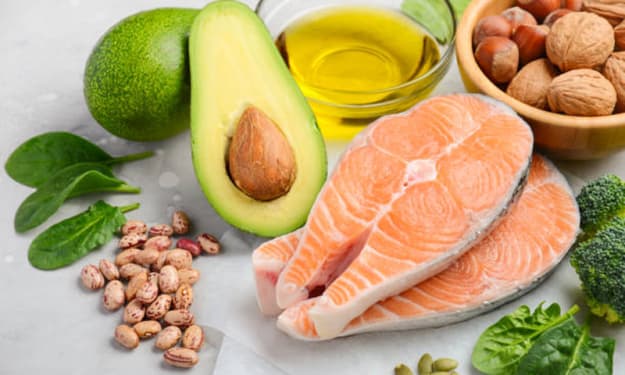
Introduction (50 words): Maintaining optimal fitness is crucial for a healthy and active lifestyle. While regular exercise is essential, a well-balanced diet plays a significant role in achieving fitness goals. Incorporating superfoods into your daily meals can provide essential nutrients, boost energy levels, aid in muscle recovery, and enhance overall well-being. In this article, we will explore the top 10 superfoods that can help you achieve optimal fitness. 1. Quinoa (70 words): Quinoa is a versatile and nutrient-dense grain that should be a staple in any fitness enthusiast's diet. Packed with protein, fiber, and essential amino acids, quinoa aids in muscle repair and recovery. It also offers complex carbohydrates for sustained energy release during workouts. Additionally, quinoa contains minerals like magnesium and potassium, which are essential for muscle function. Whether as a base for salads or a side dish, quinoa is an excellent addition to any fitness meal plan. 2. Blueberries (70 words): Blueberries, often referred to as a "superfruit," are rich in antioxidants that protect the body from oxidative stress caused by intense exercise. These tiny berries are also packed with fiber, vitamins C and K, and manganese. The natural sugars in blueberries provide a quick energy boost, making them an ideal pre-workout snack. The high fiber content aids digestion and helps maintain a healthy weight, supporting your fitness goals. 3. Spinach (70 words): Spinach is a nutrient powerhouse that deserves a place on every fitness-conscious person's plate. This leafy green is an excellent source of iron, which is vital for the delivery of oxygen to muscles during exercise. It also contains folate, a B vitamin that aids in red blood cell production. Additionally, spinach offers an abundance of vitamins A, C, and K, as well as antioxidants, which help reduce inflammation and support post-workout recovery. 4. Salmon (70 words): Salmon is renowned for its high omega-3 fatty acid content, making it a fantastic choice for promoting heart health and reducing inflammation. These healthy fats also play a crucial role in supporting joint mobility and aiding muscle recovery after intense workouts. Moreover, salmon is an excellent source of high-quality protein, providing essential amino acids necessary for building and repairing muscles. Include grilled or baked salmon in your meals to enhance your fitness journey. 5. Greek Yogurt (70 words): Greek yogurt is a protein-packed superfood that can contribute to your fitness goals in numerous ways. High in calcium and probiotics, it promotes strong bones and a healthy digestive system. The protein content supports muscle growth, repair, and recovery. Greek yogurt is also rich in casein protein, which is slow-digesting and provides a steady supply of amino acids to the muscles. Enjoy it as a post-workout snack or use it as a base for smoothies. 6. Chia Seeds (70 words): Chia seeds are a tiny but mighty superfood that can elevate your fitness regimen. These seeds are an excellent source of fiber, promoting satiety and aiding in weight management. They are also rich in omega-3 fatty acids, providing anti-inflammatory benefits to help reduce exercise-induced muscle soreness. Chia seeds can be added to smoothies, oatmeal, or yogurt for an extra boost of nutrition, helping you stay energized and satisfied throughout the day. 7. Sweet Potatoes (70 words): Sweet potatoes are a complex carbohydrate source that can fuel your workouts and support your fitness goals. These nutrient-dense tubers provide a sustained release of energy, helping to power you through intense training sessions. Sweet potatoes are rich in fiber, vitamins A and C, and potassium, making them an excellent choice for muscle recovery and immune system support. Bake
By Philippe Lamboni 3 years ago in Families
The role of nutrition in fitness and weight loss
The Role of Nutrition in Fitness and Weight Loss In the pursuit of a healthy lifestyle, two critical factors often come to mind: fitness and weight loss. While exercise is commonly associated with achieving these goals, it is equally important to acknowledge the pivotal role that nutrition plays in shaping our bodies and overall well-being. Proper nutrition not only fuels our bodies but also influences our ability to reach our fitness goals and maintain a healthy weight. In this article, we will explore the significant role of nutrition in fitness and weight loss. 1. Fueling the Body: Nutrition as Energy Nutrition serves as the primary source of energy for our bodies. The food we consume is broken down into macronutrients: carbohydrates, proteins, and fats. These macronutrients provide the fuel necessary to power our physical activities. Carbohydrates, in the form of glucose, are the preferred source of energy for our muscles during exercise. Proteins aid in repairing and building muscle tissues, while fats provide a concentrated source of energy for longer, endurance-based activities. By understanding the role of macronutrients, we can optimize our nutrition to enhance our physical performance. Prioritizing complex carbohydrates, such as whole grains, fruits, and vegetables, ensures a steady release of energy throughout the day. Incorporating lean proteins, like chicken, fish, and legumes, supports muscle growth and repair. And including healthy fats, such as avocados, nuts, and olive oil, provides sustained energy during prolonged workouts. 2. Muscle Growth and Repair Nutrition plays a crucial role in muscle growth and repair. When engaging in strength training or resistance exercises, our muscles undergo microscopic damage. Proper nutrition provides the necessary building blocks, such as amino acids from proteins, to repair and rebuild the damaged muscle fibers, resulting in increased strength and muscle mass. To optimize muscle growth, it is essential to consume an adequate amount of high-quality protein. The recommended daily intake for individuals engaging in regular exercise is around 0.8-1.2 grams of protein per kilogram of body weight. Good sources of protein include lean meats, dairy products, eggs, and plant-based options such as tofu and quinoa. 3. Weight Loss: Balancing Caloric Intake When it comes to weight loss, the principle of energy balance is crucial. This principle states that weight loss occurs when the calories burned through physical activity exceed the calories consumed through food and beverages. While exercise is an effective tool for burning calories, it is often challenging to out-exercise a poor diet. This is where proper nutrition plays a pivotal role. To create a calorie deficit, it is essential to strike a balance between caloric intake and expenditure. Consuming nutrient-dense foods that are lower in calories, such as fruits, vegetables, and whole grains, can help achieve this balance. These foods provide essential vitamins, minerals, and fiber, while also helping to control hunger and promote satiety. Additionally, portion control is a key factor in weight loss. It is crucial to be mindful of serving sizes and listen to our body's hunger and fullness cues. This practice allows us to consume an appropriate amount of calories while avoiding excessive overeating. 4. Recovery and Injury Prevention Nutrition also plays a significant role in post-workout recovery and injury prevention. Exercise, particularly intense or prolonged sessions, places stress on our bodies, leading to the breakdown of muscle tissues and the depletion of energy stores. Proper nutrition helps replenish glycogen stores, repair damaged tissues, and reduce inflammation. Including carbohydrates in post-workout meals or snacks helps restore glycogen levels, promoting faster recovery and reducing muscle soreness. Protein consumption after exercise aids in muscle repair and synthesis. It is recommended to consume a combination of carbohydrates and protein within 30-60 minutes post-workout for optimal recovery
By Philippe Lamboni 3 years ago in Families
Finding Work-Life Balance in the Digital Age: Tips for Success. Content Warning.
Introduction: In the digital age, the boundaries between work and personal life can easily blur, making it challenging to achieve a healthy work-life balance. However, maintaining this balance is crucial for our well-being, productivity, and overall happiness. In this article, we explore strategies and tips to help you find work-life balance in the digital age, allowing you to thrive both personally and professionally.
By Mohamed Rimzan3 years ago in Families
Why I Love My Moms: Celebrating the Unconditional Love and Bond. Content Warning.
The concept of family has evolved over the years, and today, it encompasses a diverse range of relationships and configurations. In my case, I am fortunate to have not just one, but two incredible moms who have shaped my life and filled it with love, warmth, and unwavering support. They have defied societal norms and shown me the true meaning of family, teaching me valuable lessons along the way. In this article, I will delve into the reasons why I love my moms and how their unique presence has enriched my life.
By Muhammad Naveed3 years ago in Families
Nurturing Emotional Well-being
Emotions are an integral part of being human, and learning to process them in healthy and productive ways is crucial for our overall well-being. By acknowledging, understanding, and managing our emotions effectively, we can cultivate resilience, enhance relationships, and foster personal growth. In this article, we will explore various strategies to process emotions in healthy ways, along with illustrations and a short story to highlight their significance.
By Josephine Nabwire3 years ago in Families
The Truth About Gluten: Debunking Myths and Understanding Gluten Sensitivity
Introduction Gluten has become a hot topic in the world of nutrition and health. Many people have heard about gluten and its potential negative effects, but there is also a lot of misinformation and confusion surrounding this protein. In this article, we will uncover the truth about gluten, debunk common myths, and provide a clear understanding of gluten sensitivity. Whether you're considering a gluten-free diet or simply seeking accurate information, this article will help you navigate the gluten landscape.
By Ravi Tyagi3 years ago in Families
7 Effective Ways to Stay Motivated During Your Fitness Journey
Introduction Embarking on a fitness journey is an exciting and transformative experience. However, staying motivated throughout the process can be challenging. We all encounter obstacles, plateaus, and moments of self-doubt that can hinder our progress. That's why it's crucial to have effective strategies in place to keep our motivation levels high. In this article, we will explore seven powerful ways to stay motivated during your fitness journey, ensuring you stay on track and achieve your health and wellness goals.
By Ravi Tyagi3 years ago in Families
Causes of Anxiety Disorder
Anxiety disorders are prevalent mental health conditions that affect individuals of all ages, races, and backgrounds. These disorders are characterized by excessive and persistent worry, fear, and apprehension, often leading to significant distress and impairment in daily functioning. While the exact causes of anxiety disorders are not fully understood, researchers have identified a complex interplay of genetic, environmental, and neurobiological factors that contribute to their development. This essay aims to explore these causes in detail, shedding light on the intricate web of factors that underlie anxiety disorders.
By Bhanu Partap Singh Rana3 years ago in Families
What Is The Procedure Of Dental Bonding in Houston?
Dental bonding is a cosmetic procedure that helps to correct your tooth structure. It helps to correct teeth concerns, including tooth discoloration, staining, chipping or cracking, minor cavities, or gaps between teeth. To fix these minor dental flaws, the dentist uses a specialized composite resin to improve the appearance of your teeth, and they help make your teeth look brighter and whiter.
By David Willey3 years ago in Families
The Science Behind Meditation: How It Can Reduce Stress and Improve Mental Well-being
Introduction In a fast-paced world filled with constant distractions, finding moments of calm and inner peace is essential for our overall well-being. This is where meditation comes in. Meditation is a practice that has been around for centuries, offering a range of benefits for the mind, body, and soul. In recent years, scientific research has begun to uncover the fascinating effects of meditation on reducing stress and improving mental well-being. In this article, we will explore the science behind meditation, its impact on stress reduction, and how it can promote mental health.
By Ravi Tyagi3 years ago in Families
10 Superfoods You Should Add to Your Diet for Optimal Health
Introduction In the quest for optimal health, incorporating nutrient-dense superfoods into your diet is a smart choice. These powerhouse foods are packed with essential vitamins, minerals, and antioxidants that can boost your immune system, support weight management, and promote overall well-being. If you're looking to supercharge your nutrition, here are ten superfoods that deserve a spot in your daily meals.
By Ravi Tyagi3 years ago in Families
The Ultimate Guide to Intermittent Fasting: How to Boost Your Health and Lose Weight
Introduction Intermittent fasting has become a viral sensation in the health and fitness world, captivating millions of people seeking effective weight loss strategies and improved overall well-being. This eating pattern, characterized by periods of fasting and eating, has gained popularity due to its simplicity, flexibility, and potential health benefits. In this ultimate guide, we will delve into the world of intermittent fasting, exploring its various methods, the science behind it, and how it can help you achieve your health and weight loss goals.
By Ravi Tyagi3 years ago in Families