
Shilajit: Potential Benefits, Risks, and Scientific Perspective
11 Possible Benefits of Shilajit

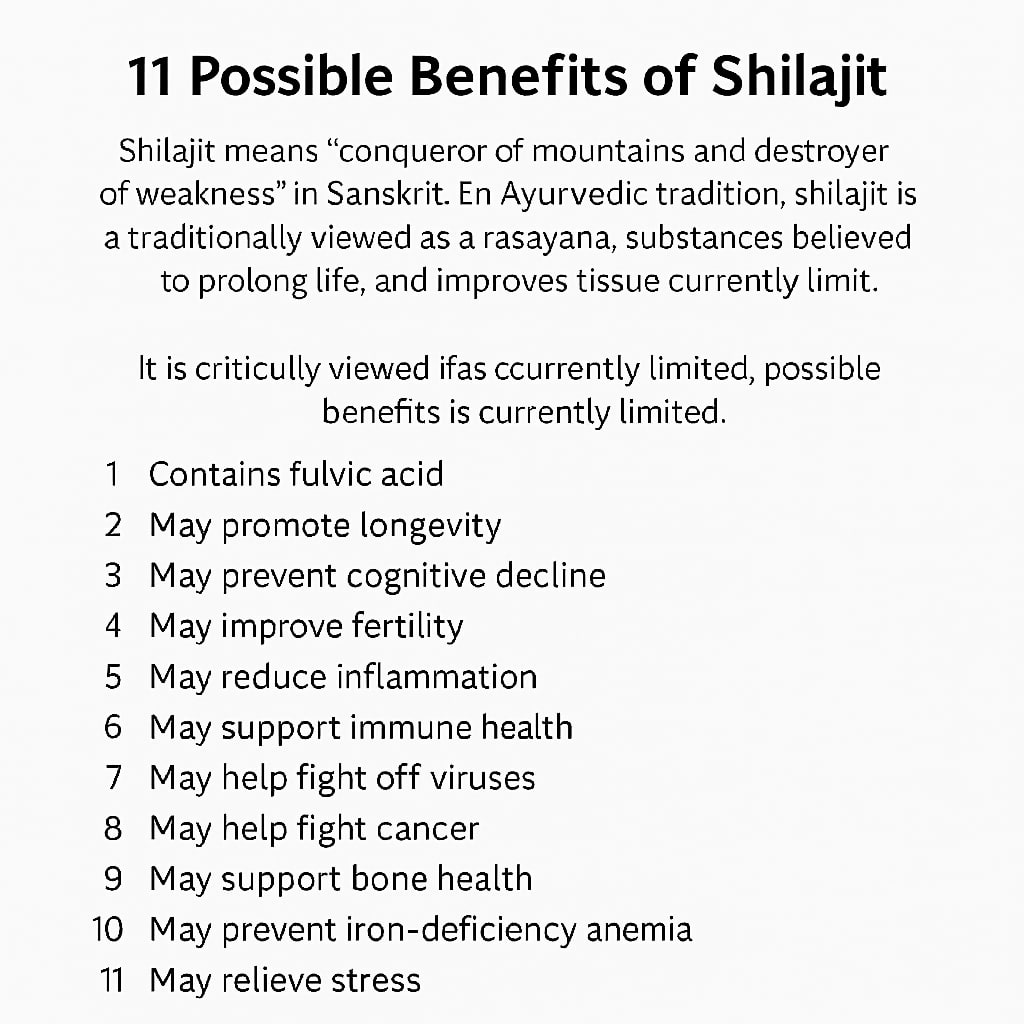
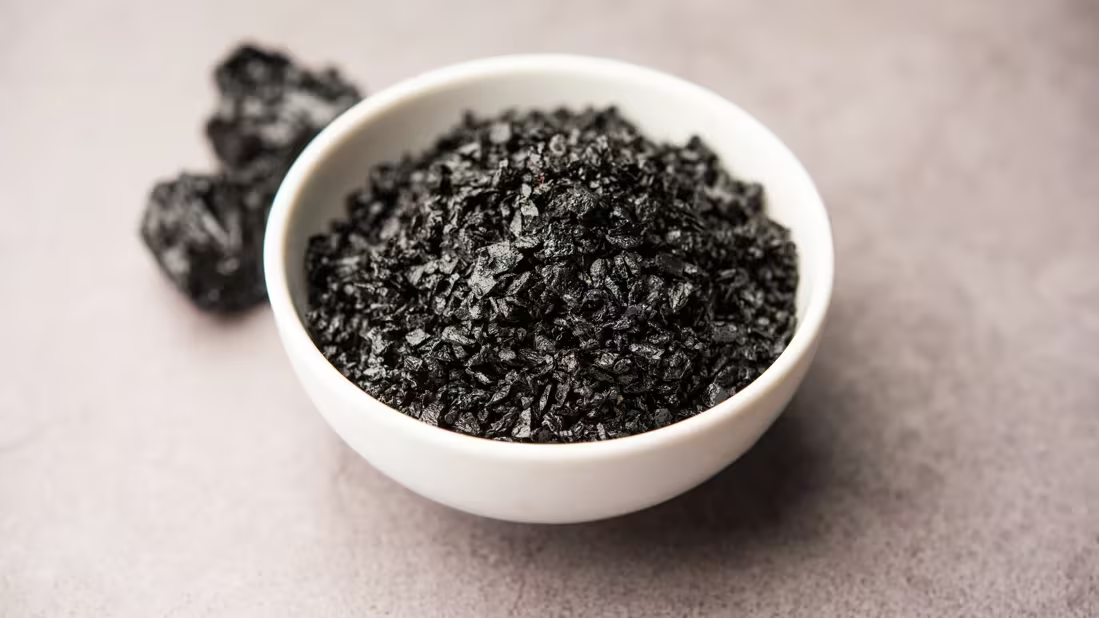
Shilajit is a natural substance that has been used for centuries in traditional Ayurvedic medicine. The name “shilajit” comes from Sanskrit and means “conqueror of mountains and destroyer of weakness.” In ancient medical texts, it is classified as a rasayana, which refers to substances believed to rejuvenate the body, improve vitality, and extend life. Traditionally, shilajit has been used to treat a wide range of health conditions, from fatigue and low immunity to reproductive issues.
In modern times, shilajit has become increasingly popular as a dietary supplement. It is sold in various forms including powders, capsules, liquids, and even gummies. However, while traditional medicine praises shilajit for its broad health benefits, modern scientific evidence remains limited and often inconclusive. This report explores the eleven commonly claimed benefits of shilajit, along with its potential risks and limitations.
1. Contains Fulvic Acid
While laboratory studies suggest potential benefits, it is important to note that these results are mostly based on test-tube experiments. There is limited evidence showing that fulvic acid has the same effects in the human body.
2. May Promote Longevity
Shilajit is often marketed as an anti-aging supplement. This claim is based on its antioxidant content, particularly fulvic acid. Antioxidants help protect cells from oxidative stress, which is linked to aging and chronic diseases.
Some small studies suggest that shilajit may improve energy levels, reduce fatigue, and enhance physical strength. However, these studies are limited in size and quality, so more research is needed before confirming these benefits.
3. May Prevent Cognitive Decline
Another potential benefit of shilajit is its effect on brain health. Early research suggests that it may help slow down the progression of neurodegenerative diseases like Alzheimer’s.
Researchers believe that fulvic acid may help prevent the formation of amyloid plaques in the brain, which are associated with Alzheimer’s disease. While these findings are promising, they are mostly based on laboratory studies and have not yet been confirmed in human trials.
4. May Improve Fertility
Shilajit has traditionally been used as an aphrodisiac and as a treatment for male infertility. Some small studies suggest that it may increase testosterone levels and improve sperm count.
Despite these findings, the research is limited and outdated. More recent and larger studies are needed to determine whether shilajit truly has a significant impact on fertility.
5. May Reduce Inflammation
Inflammation is the body’s natural response to injury or infection. However, chronic inflammation can lead to various diseases. Shilajit is believed to have anti-inflammatory properties that may help manage conditions like arthritis or allergies.
Interestingly, some research shows that fulvic acid may also have pro-inflammatory effects under certain conditions. This contradiction highlights the need for more detailed studies.

6. May Support Immune Health
Shilajit is believed to regulate the immune system through immunomodulatory effects. This means it may either boost or suppress immune responses depending on the body’s needs.
While some early studies support this idea, there is still insufficient evidence to fully understand how shilajit affects immune function in humans.
7. May Help Fight Viruses
Some laboratory studies suggest that shilajit may have antiviral properties. These studies show that it may inhibit the growth of certain viruses in controlled environments.
However, these findings have not yet been replicated in human studies. Therefore, it is not possible to conclude that shilajit can effectively prevent or treat viral infections.
8. May Help Fight Cancer
There is preliminary evidence that shilajit may have anti-cancer properties. Some studies suggest it could slow the growth of cancer cells or enhance the effectiveness of chemotherapy treatments.
Despite these promising results, the research is still in its early stages. There is no clinical evidence to support the use of shilajit as a cancer treatment.
9. May Support Bone Health
Shilajit has been studied for its potential to improve bone density and accelerate healing. Some small studies indicate it may help reduce bone loss associated with conditions like osteoporosis.
As with many other claims, more research is needed to confirm these benefits in humans.

10. May Prevent Iron-Deficiency Anemia
Shilajit may contain iron and could potentially improve the body’s ability to absorb it. This has led to claims that it can help prevent iron-deficiency anemia.
However, while this effect has been observed in plants, there is currently no strong evidence showing the same effect in humans.

11. May Relieve Stress
Shilajit contains minerals such as magnesium, which may help reduce stress and anxiety. Magnesium is known to play a role in nervous system regulation and hormone balance.
While this suggests potential benefits for stress relief, excessive intake of magnesium from supplements can cause side effects, including nausea and digestive issues.
Safety and Risks

Possible Side Effects
Nausea, vomiting, or diarrhea
Headaches and dizziness
Hormonal imbalances
Allergic reactions
Rare complications like high blood pressure and low potassium levels

Who Should Avoid Shilajit
Shilajit may not be suitable for certain individuals, including:
Pregnant or breastfeeding individuals
People with heart disease or blood pressure issues
Those with diabetes or immune disorders
Individuals with iron overload conditions
Consulting a healthcare provider is strongly recommended before use.
Conclusion
Shilajit is a fascinating natural substance with a long history in traditional medicine. It contains compounds like fulvic acid that may offer various health benefits, including improved energy, cognitive support, and immune regulation.
However, modern scientific evidence is limited and often inconclusive. Most studies are small, outdated, or conducted in laboratory settings rather than on humans. While the potential benefits are promising, they are not yet supported by strong clinical data.
About the Creator
Press Release
I was born and raised in Chicago but lived all over the Midwest. I am health, safety, and Environmental personnel at the shipyard. PLEASE SUBSCRIBE to my vocal and check out my store
Enjoyed the story? Support the Creator.
Subscribe for free to receive all their stories in your feed.
Comments
There are no comments for this story
Be the first to respond and start the conversation.