
Safe and Effective Use of a Baby Bottle Warmer
Follow the Manufacturer's Instructions

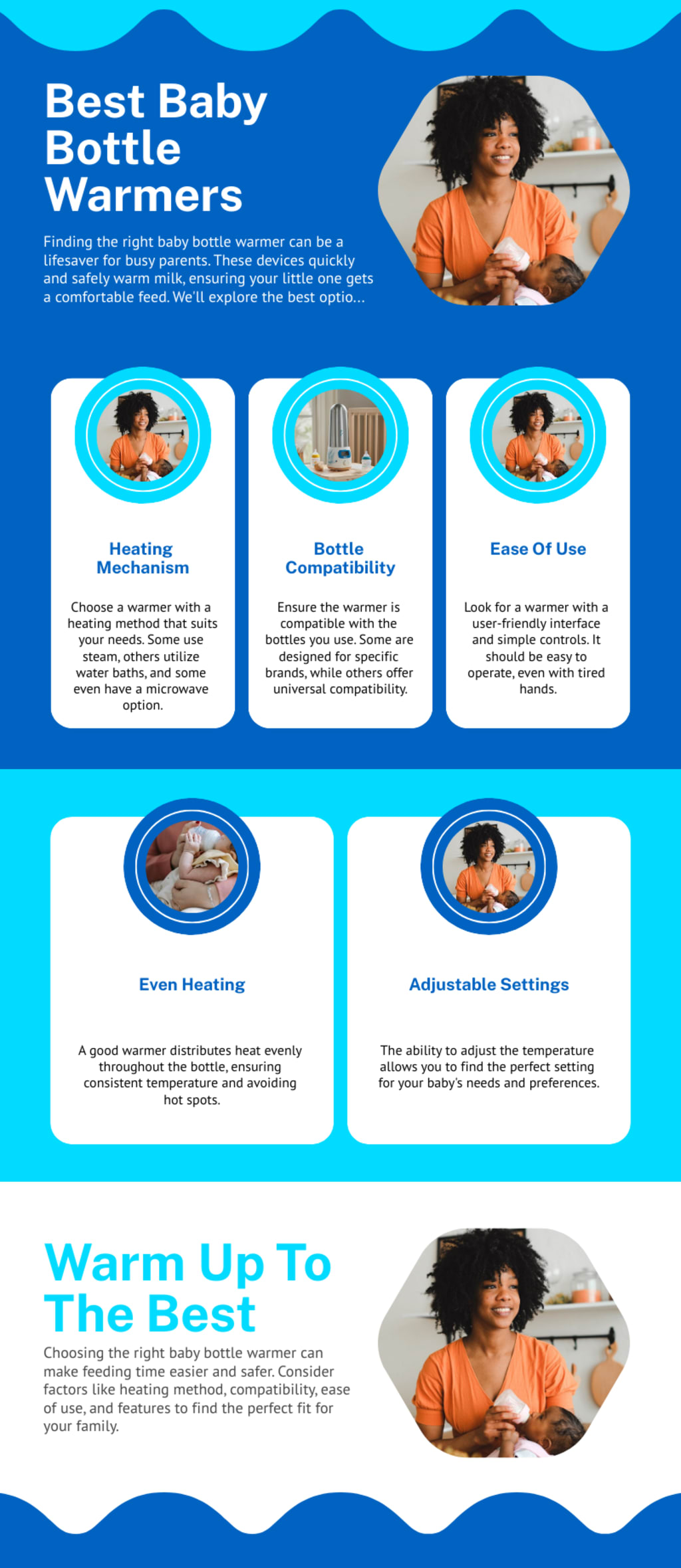
Baby bottle warmers are an easy way of making the lives of parents easier by making warming milk or even baby food a cinch. There are a set of guidelines that one should follow while doing it, but for safe and proper functioning, a bottle warmer needs to be treated appropriately. This is a complete guide for using your bottle warmer without putting your baby at risk of health and safety.
1. Follow the Manufacturer's Instructions
Read the Owner's Manual: As with anything you use, the manufacturer's directions and recommendations that come with bottle warmers should come first. Directions of operation and best practices of safety may vary with every model.
Observe Proper Use: Observe proper functions of setting up recommended positions of bottles, heating times, and warming temperature.
2. Use the Right Method of Heating
Choose the Correct Setting: Make sure you use the correct heating method and setting of the warmer for the sort of milk or baby food you intend to warm. Some even have various settings for breast milk, formula, and baby food.
Avoid Overheating: Be careful with warming times to avoid overheating that may lead to losing the important nutrients in breast milk and formula. Utilize time timers or automatic shut-offs when available.
Test Prior to Feeding: Always look for the temperature of the milk or baby food before previous feeding of the baby. For that, dripping some drops in your wrist could help where it should neither too hot nor too cold.
Using Thermometer: For more precise temperature control, you might want to use a bottle thermometer to ascertain if the milk is at the proper temperature.
4. Clean the Warmer Regularly
Cleaning Directions: The bottle warmer should be cleaned periodically following the cleaning instructions of the manufacturer. Generally, this refers to cleaning surfaces by their wiping and cleaning of removable parts.
Unscale as Needed: For a water bath warmer, it is essential that one should descale the warmer from time to time to avoid mineral build-up. Frequent descaling ensures the warmer works efficiently with a life span that is prolonged.
5. Bottle Safe Storage and Handling.
Do Not Use Damaged Bottles: Do not use bottles or nipples if they have cracks before the process of heating. Cracks in the bottle can lead to contamination.
Proper Handling: Ensure that the bottles and nipples are properly handled with clean hands or clean utensils to avoid perfect bacteria increments.
6. Use the Right Amount of Water
Follow instructions: If your bottle warmer requires water in the heating process, then measure the optimum amount indicated in your user manual. Either a little or too much water can contribute to a bad heating process and inefficiency.
Always Empty the Water: If the warmer you use requires water, then make it a habit always to empty them after using them to avoid the growth of bacteria and to work properly.
7. Common Mistakes to Avoid
Avoid Microwave Oven: Never heat up bottles in a microwave because the heating is not uniform, and these hot spots could scald your baby.
Do Not Overfill Bottles: Never overfill bottles when using a warmer to avoid spillage and poor, inconsistent heating.
8. Monitor wear and tear
Inspect Regularly: Inspect your bottle warmer periodically for signs of wear and tear or damage. Replace worn-out parts to have safe and effective operation.
Check Power Cords: Power cords and plugs should be free of damage and in good condition. A defective cord is always a hazard.
9. Consider Your Baby's Needs
Customized Settings: If you need the warmer for a baby with special dietary requirements, such as formula that needs to be made in a unique manner or warmed to a precise temperature, set up the warmer with the correct settings.
Digital Control with LCD Read-Out: Choose when purchasing a warmer for the special baby in your life, who has very specific food needs
Proper and safe use of the bottle warmer involves provided instructions on heating methods by the manufacturer and cleanliness. This ensures that one has tests for the temperatures in tested bottles, cleaners for any remainders in a warmer, and handles bottles with due care in assurance of a flawless and safe extravaganza for the baby. This will be helpful to you in making the best use of your bottle warmer while putting the health and safety of your baby first.
Frequently Asked Questions About Safe Use and Proper Care of Baby Bottle Warmers
Q: How can I be sure that the milk is evenly heated?
A: Use bottle warmer that can provide the milk with even heating; such as water bath or steam type. Be sure that you will check the temperature before giving it to the baby.
Q: How often can I clean my bottle opener ?
A: Clean the bottle warmer as directed by the manufacturer on a regular basis. Periodically, descale water bath warmers to prevent mineral build-up.
Q: Can I warm baby food in a bottle warmer?
A: Most bottle warmers are designed to heat bottles and baby food jars. Though, be sure to check the model you are buying if it would be fine with baby food.
Q: Why is it important to test the temperature before feeding?
A: The test on the temperature of milk helps ascertain the comfortability to the baby and absence of any scalding or discomfort from either hot or cold milk.
Q: What if my bottle warmer starts showing wear and tear?
A: Regularly inspect the bottle warmer; replace parts promptly when it is necessary. Ensure the power cords and plugs are in a safe condition that cannot pose a safety hazard.
About the Creator
kids Busket
Welcome to Kids Busket- Your Informative Hub for All Things Kids At Kids Busket, we are dedicated to empowering parents with knowledge and resources to navigate the wonderful journey of raising children.
To learn more visit my website
Enjoyed the story? Support the Creator.
Subscribe for free to receive all their stories in your feed.
Comments
There are no comments for this story
Be the first to respond and start the conversation.