
Proper Child Rearing: A Practical Guide to Raising Confident and Balanced Children
Introduction: Why Is Parenting the Most Important Investment in Our Future?

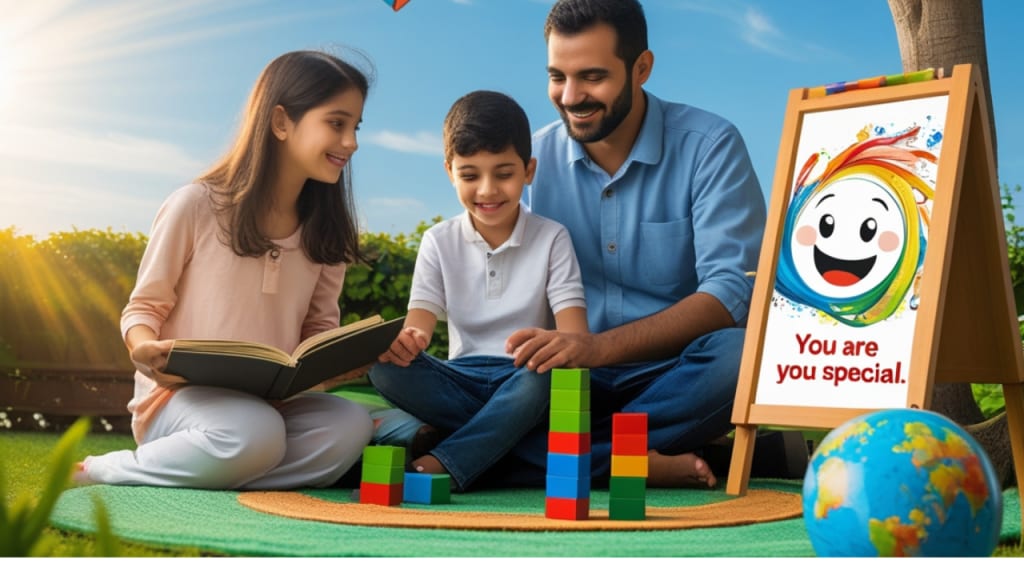
One day, I asked a six-year-old girl, "What do you want to be when you grow up?" She confidently replied, "I want to be happy!" This simple answer captures the essence of proper parenting: cultivating happiness rooted in values, not just material achievements. According to UNICEF, 70% of a child’s personality is shaped in the first seven years, making parents akin to artists sculpting a human’s future. But how do we move from "trial and error" to conscious parenting? This comprehensive guide explores the answer.
The Five Pillars of Effective Parenting
Unconditional Love: The Foundation of Self-Confidence
What is it?: Loving the child for who they are, not their achievements. Example: Saying "I love you" even when they fail.
How to apply it?:
Avoid comparing them to peers ("Why can’t you be like your brother?").
Use encouraging language: "I know you’ll improve" instead of "You’re a failure."
Case study: A child with a stutter whose confidence soared after daily family support.
Clear Boundaries: Balancing Firmness and Flexibility
Golden Rules:
Set simple rules (e.g., "Bedtime at 8 PM") and explain their purpose.
Avoid physical punishment or humiliation. Replace with "time-outs" or temporary privilege removal.
Example: If a child refuses to clean their room, say, "You can’t play with your train until you finish.
Effective Communication: From "Hearing" to "Listening"
Proven Techniques:
Active Listening: Kneel to their eye level during conversations.
Open-Ended Questions: Instead of "How was your day?", ask, "What was the best part of your day?"
Teaching Emotions: Help them label feelings: "You seem upset because your friend took your toy."
Role Modeling: Children Mirror Our Behavior
Study: 63% of children unconsciously mimic their parents’ negative habits (e.g., yelling or neglecting reading).
Practical Tips:
Show empathy toward others in front of them.
Apologize when wrong: "I’m sorry I raised my voice—I should have stayed calm."
Learning Through Play: The Gateway to Holistic Development
Scientific Facts:
Play activates 80% of brain cells, per Harvard University.
Group games teach teamwork, while puzzles boost critical thinking.
Activity Ideas:
Role-Playing: Act out social scenarios (e.g., visiting a doctor).
Creativity Box: Fill a box with art supplies and storybooks to spark imagination.
Common Parenting Mistakes to Avoid
Giving In to Tantrums:
Scenario: A child screams for candy in a store.
Mistake: Buying candy to quiet them.
Solution: Calmly say, "We’ll talk when you calm down."
Overprotection:
Scenario: Stopping a child from climbing a tree out of fear.
Mistake: Depriving them of healthy risk-taking.
Solution: Encourage supervised exploration: "I’m here if you need me."
Unrealistic Expectations:
Scenario: Forcing a shy child to be the "life of the party."
Mistake: Ignoring their unique personality.
Solution: Accept their nature and nurture social skills gradually.
Parenting Stages: A Practical Age-by-Age Guide
Ages 0–3: Building Emotional Security
Focus: Affectionate touch, daily routines, language development.
Warning: Prolonged crying without comfort may weaken self-esteem.
Ages 4–6: Fostering Independence
Focus: Teaching basic skills (tying shoes), assigning small chores (toy cleanup).
Warning: Excessive criticism may instill fear of failure.
Ages 7–12: Strengthening Identity
Focus: Encouraging hobbies, discussing values (honesty, respect).
Warning: Peer comparisons may trigger insecurity.
Ages 13–18: Preparing for Adulthood
Focus: Open dialogue about challenges (bullying, academics), decision-making practice.
Warning: Overcontrol risks severing communication.
Parenting in the Digital Age: Challenges & Solutions
Shocking Stat: Arab children spend 6 hours daily on screens, per Irada Foundation research.
Smart Strategies:
"Screen Time Agreement": Set limits and co-choose educational content.
"Digital Role Modeling": Avoid phone overuse in their presence.
"Creative Alternatives": Encourage sports or music lessons.
An Inspiring Story: How an Ordinary Dad Raised a Leader
When "Ahmed" noticed his son "Yusuf" (age 8) feared speaking in class, he started a nightly "Little Reporter" game. Yusuf would read a story and discuss it with the family. Six months later, Yusuf won a school speech contest! The keys were: Patience + Encouragement + A Safe Space for Mistakes.
Conclusion: Parenting—A Never-Ending Journey
Parenting isn’t a rigid formula but a lifelong learning journey. Always remember:
You don’t need to be perfect—just present.
Mistakes aren’t disasters but chances to teach resilience.
Start today with one small step: Ask your child, "What do you need from me?" and listen wholeheartedly.
About the Creator
Ahmed Abdeen
An experienced article publisher and writer specializing in creating high-quality, engaging, and well-researched content tailored to captivate diverse audiences. Adept at crafting compelling narratives
Enjoyed the story? Support the Creator.
Subscribe for free to receive all their stories in your feed.
Comments
There are no comments for this story
Be the first to respond and start the conversation.