
Poppy's Basic Training Guide: From Puppy to Good Dog in 10 Steps
Good Dog in 10 Steps
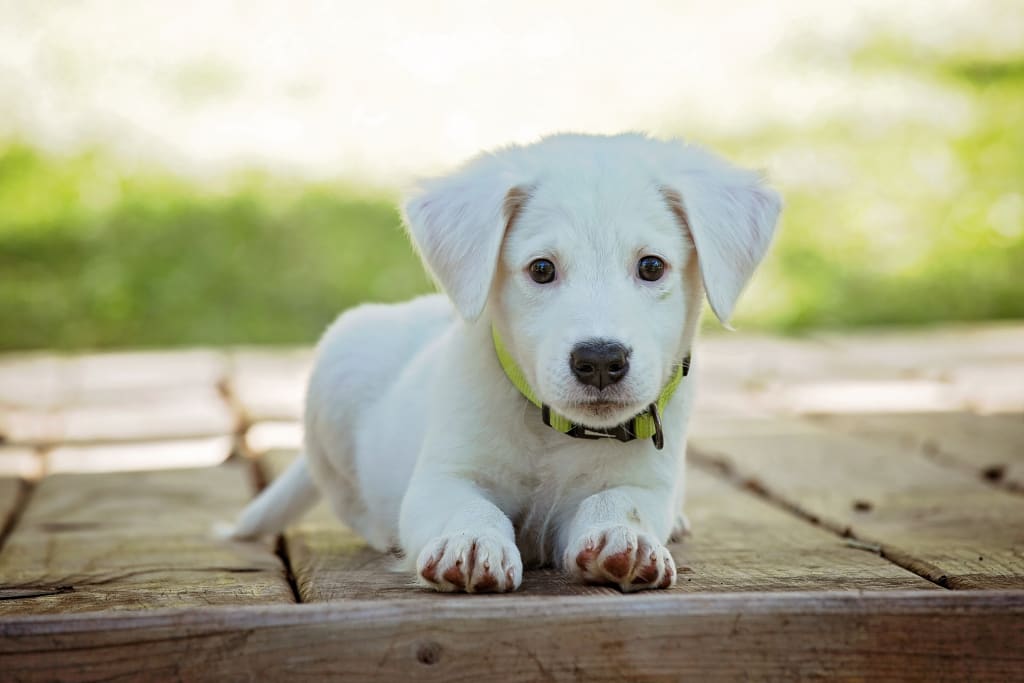
Are you a new pet parent looking for a basic puppy training guide? Look no further! In this blog post, we’ll discuss the basics of puppy training, from housebreaking and crate training to teaching basic commands such as “sit” and “stay”. We’ll provide you with step-by-step instructions and helpful tips on how to make training an enjoyable experience for both you and your pup. So if you’re ready to get started on Poppy’s basic training journey, let’s get started!
Step One - The Right Supplies
If you’ve decided to take on the responsibility of puppy training, the first step is making sure you have all the right supplies. Puppy training requires dedication and patience, but having the right tools will make the process easier and more effective.
First and foremost, you’ll need a good quality collar and leash. Your pup should wear the collar at all times for safety, so pick one that fits comfortably and won’t irritate their skin. Additionally, make sure the leash is adjustable and comfortable to hold onto.
You’ll also need some treats to use as rewards during training sessions. Choose something small and tasty that your pup loves, like a biscuit or kibble.
Finally, it’s a good idea to get a few toys to keep your pup occupied while they learn new commands. Interactive toys such as puzzle feeders can keep your pup engaged in playtime and help with focus during training.
Step Two - Set Up a Routine
Once you have all of the necessary supplies, it's time to set up a routine for your puppy. It's important to establish a routine early on so that your pup knows what to expect each day. A consistent routine will help with house training, obedience training, and socialization.
Start by waking up at the same time each morning and setting aside some time for your pup. This could be a 30-minute walk, playtime in the yard, or an exercise session. This will help to tire them out and give them plenty of opportunities to learn new commands and behaviors.
It's also important to establish a regular feeding schedule. Feeding your pup at the same time every day will help them understand when they should expect their meals. If possible, try to feed them at the same time each day as this will give them more predictability and structure.
In addition to setting a routine for walks and meals, you'll also want to set aside a specific time for potty breaks. Depending on your pup's age, they may need up to five or six potty breaks throughout the day. Take your pup out regularly, especially after meals, playtime, and naps, so they can relieve themselves when needed.
By establishing a routine early on, you'll be able to build a strong foundation for your pup's training and ensure that they're well taken care of.
Step Three - Potty Training
Potty training is one of the most important parts of puppy training, and it requires consistency and patience. Start by choosing a potty area that is close to your puppy’s food, water, and sleeping areas. Take your puppy to the area regularly and give them plenty of praise when they go potty in the right spot.
If your puppy has accidents in the house, you must immediately clean up the mess with an enzymatic cleaner to remove the smell and discourage them from going there again. Never punish your puppy for accidents – this can make them fearful of going potty near you.
You should also be consistent with your schedule and take your puppy out to go potty at least once every two hours, after naps and playtime, and after meals. Give them plenty of time outside to sniff around and go potty before bringing them back in. This will help them learn to associate being outdoors with going potty.
Finally, use positive reinforcement whenever possible by giving your puppy treats when they go potty in the right spot. With enough consistency and positive reinforcement, your puppy should be able to learn proper potty habits in no time!
Step Four - Crate Training
Crate training is a great way to help your puppy adjust to the household and to teach them how to behave when left alone. A crate should never be used as punishment; rather, it should be seen as a place for your pup to call their own, a safe space to retreat.
Start by introducing your pup to their crate. Make sure to do this in a positive manner with lots of rewards and treats! Put some toys or treats inside to make the crate seem inviting. Let your pup explore their crate without you forcing them inside. Once they feel comfortable, start closing the door while they are inside and giving them treats, making sure to open the door as soon as they are quiet and calm. Eventually, you can start leaving them inside for short periods of time, gradually increasing the length of time that you leave them in the crate.
It is important to keep up with your crate training routine and make sure to not leave your pup in the crate for too long at a time. If your pup has been in the crate for an extended period of time, make sure to let them out for a potty break and plenty of playtime afterwards. With patience and consistency, your pup will soon view their crate as a safe and secure spot.
Step Five - obedience Training
Obedience training is an important part of any puppy’s education, and is a crucial part of raising a good pup. Obedience training will help your pup understand basic commands, such as sit, stay, come, and heel.
It is important to start obedience training as early as possible, as this will help your pup understand what is expected of them in terms of behavior. Start with simple commands that your pup can easily understand and remember. Rewards are key here, so make sure you give lots of positive reinforcement for good behavior.
When beginning obedience training, it's important to stay consistent. You should use the same words each time you give a command, and always make sure you praise your pup when they obey the command. It's also important to make sure you have patience when teaching obedience. Some commands may take longer for your pup to learn than others, so don't get discouraged if they don't catch on right away.
Once your pup has mastered the basics, you can start to incorporate more advanced obedience commands into their training. Examples of these include commands like roll over, fetch, shake, speak, and lie down.
Obedience training is not just about teaching your pup commands. It's also about teaching them how to behave in different situations. This means teaching them how to respond appropriately when meeting new people or animals, how to act in public places, and how to be well behaved when faced with distractions or stressful situations.
By teaching your pup obedience, you are helping to ensure that they are a well-mannered dog who behaves appropriately in all situations. With the right approach, training your pup obedience can be a rewarding experience for both of you!
Step Six - Tricks and Commands
Training your puppy to do tricks and commands is an important part of their education. Not only does this help them learn to obey you, but it also increases their intelligence and keeps them mentally stimulated. Here are some tips for teaching your pup tricks and commands:
1. Start with basic commands such as sit, stay, and come. These are the foundation for all other tricks and commands.
2. Make sure to reward your pup for a job well done. Whether it's with a treat or some extra love, they need to know they've done something right.
3. Have patience and consistency. Teaching your pup tricks and commands takes time and repetition. Don't get frustrated if they don't understand something right away. Keep practicing!
4. Get creative with your commands. The more interesting you make them, the more likely they are to remember them.
5. Have fun! Training your pup should be an enjoyable experience for both of you. Be sure to give them lots of praise and positive reinforcement throughout the process.
With enough practice, your pup will be performing a variety of tricks and commands in no time! Good luck!
Step Seven - Chewing and Biting
Chewing and biting can be a difficult behavior to manage in puppies. It is important to address this early on before the puppy gets into the habit of chewing furniture, shoes, or other household items. The first step is to provide plenty of appropriate chew toys for your puppy. Choose toys made of soft rubber, rope, fabric, or even hard treats that can help keep your pup's teeth clean. When you catch your pup chewing on something they shouldn’t, provide an appropriate toy as a replacement.
You can also manage the chewing and biting behavior by providing positive reinforcement and discipline. Praise your puppy when they are playing with their toys and chewing appropriately, and be firm when redirecting them from inappropriate items. If your pup is continuing to chew or bite on items around the house, use a quick spray of water to startle them and deter the behavior. Additionally, teaching the ‘leave it’ command can be effective in helping you manage the chewing and biting habits.
Step Eight - Socialization
Socialization is a crucial part of puppy training. It helps your pup become more comfortable with people, places, and other animals, and ensures that they have a good temperament and social skills.
When it comes to socializing your puppy, the key is to introduce them to new experiences gradually and positively. Start by introducing them to people and places in the safety and comfort of your own home. Allow visitors to give them treats and affection, and take them on short walks around your neighborhood.
Once your pup is comfortable with their home environment, start introducing them to other animals in safe, controlled settings. Begin with a group puppy class or visit a dog park where your pup can get used to the sights, sounds, and smells of other animals. Make sure your puppy has plenty of positive experiences with other dogs and gets lots of positive reinforcement for good behavior.
Finally, be sure to provide plenty of opportunities for your pup to interact with children. Socialization is an important part of helping your pup learn how to interact with people safely and respectfully.
By following these steps, you’ll be well on your way to having a well-socialized pup who can navigate the world confidently and joyfully!
Step Nine - Advanced Training
Once your puppy is well-trained, it's time to introduce some more advanced training techniques. It's important to remember that puppies have a limited attention span and will become quickly bored with the same commands and tricks. This is why it's important to vary the training methods to keep your pup engaged.
Advanced training may include agility training, which involves teaching your pup to navigate an obstacle course or tunnel. This can help to sharpen your pup's problem-solving skills and physical agility. You could also consider teaching your pup to fetch, play hide-and-seek, or practice search and rescue.
Another form of advanced training involves teaching your pup to respond to vocal commands such as “sit” or “stay” without using hand gestures. This is especially helpful if you're in a situation where you cannot use hand signals.
Finally, you may want to consider enrolling your pup in specialized classes such as tracking, herding, or even police and guard dog training. This can help to hone your pup’s skills and provide them with a unique set of skills.
No matter what type of advanced training you choose for your pup, the most important thing is to make sure that you are consistent in your approach and keep training sessions fun and interesting. With the right tools and plenty of patience, your pup can learn new skills in no time!
Step Ten - Maintenance
Now that your pup has been through basic and advanced training, it's time to focus on maintenance. Regular maintenance will help keep your pup in line and prevent bad behaviors from developing. Here are a few tips for keeping up with maintenance:
1. Make sure you keep up with regular obedience sessions. Set aside a few minutes each day to practice commands and tricks with your pup. This will help keep them sharp and reinforce the commands they know.
2. Introduce new challenges and activities. Dogs need mental stimulation, so try to mix things up by introducing new games or activities. This will help keep them engaged and motivated.
3. Don't forget about basic care. Grooming, vet visits, proper diet, and exercise are essential for your pup's health and well-being.
4. Stay consistent. Establishing rules and sticking to them is key in maintaining good behavior. Be patient and consistent in enforcing your expectations.
By following these tips and staying committed to the training process, your pup can remain happy and healthy for many years to come. With regular maintenance, your pup will continue to be the best dog they can be!
Download the guide and get my #1 way of training my Poppy: Start Today!
About the Creator
Enjoyed the story? Support the Creator.
Subscribe for free to receive all their stories in your feed.
Comments
There are no comments for this story
Be the first to respond and start the conversation.