
mother-baby communication
mother-baby communication

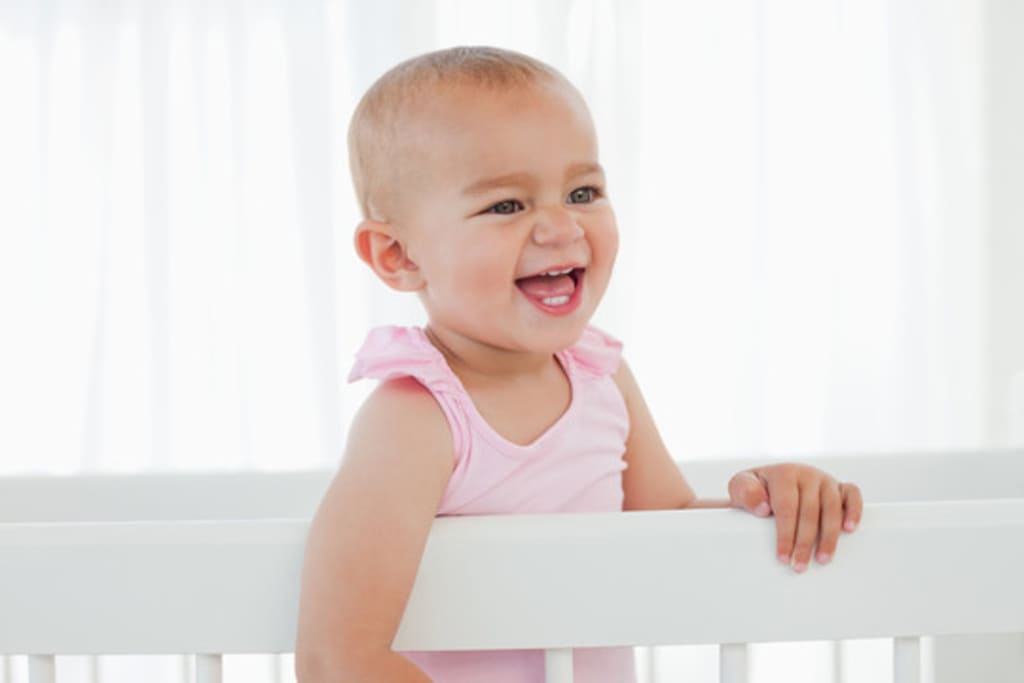
Babies will not start meaningful oral communication until about 1 year after birth. Prior to this, the baby relied on non-verbal communication to express his emotions and thoughts. In addition to crying as direct communication, body language such as facial expressions, arm and foot swings are. During this time, the more you understand their body language, the closer you can be to your baby's emotional connection and the more you can encourage him to use nonverbal means of communication effectively.
Non-verbal communication
Babies usually use 6 basic non-verbal ways to express their emotions before 15 months of age.
cry
This is an instinctive and most direct way of communicating to let the caregiver know that he is unhappy. At birth, a baby usually cries because he is uncomfortable or hungry, but as he grows, the meanings of crying can take on a variety of meanings.
facial expression
Facial expressions can express emotions, including happiness, sadness, satisfaction, discomfort, tiredness, fear, search, anger, etc.
Palm and arm waving
At the age of a few months, the baby will start to touch what he wants with his hands, or push away people who are close to him, and can express his desire clearly. It is not that difficult to understand his inner thoughts .
Swing of legs and feet
When the baby is lying in the cradle and kicking his feet strongly, it usually means that he is happy or excited at the moment. However, it may also be that he is unhappy or painful. Parents should match his facial expressions or Interpret the messages conveyed by other body language together.
Body movement
If your baby twists and tries to get out of your arms or his crib, it means he is restless or unstable. It could also mean that he is not feeling well right now, or that the little one is upset.
Physical contact
Baby snuggled in your arms means he is at ease and enjoying his time with you. Conversely, if he struggles violently to leave, it means he doesn't like your company.
The more responses you give to your baby, the more you understand his body language, which is also of great benefit to your baby's future language development. So try to understand the way your baby communicates non-verbally, and you will soon find that you can understand what he wants to express, that is, you can correctly understand his "language". For example, when you help him change his wet diaper, he stops crying, which means that your ability to interpret the baby's "language" is getting stronger and stronger, which will naturally increase the baby's trust in you. Remember, the same gesture can have different meanings, and the same action can mean different things in different situations. For example, throwing a toy on the ground may express excitement, anger or pain, or boredom or boredom. Combined with facial expressions, swings of hands and feet, and body movements, you can more accurately judge the message your baby wants to express.
5 ways to communicate non-verbally with newborns
watching him
The best way to become familiar with your baby's body language is to carefully observe his reactions in various situations. You'll slowly learn about his nonverbal ways of expressing his emotions.
practise
By connecting the emotions and behaviors of the baby you have observed, you will understand the baby more and more. When the baby makes certain body movements, you will understand what the baby wants to express.
imitate his behavior
If you're not so sure what he's trying to say, you can mimic his behavior and ask yourself what it might mean when it happens to you.
State your interpretation of him The role parents often play, do you have one?
When your baby is learning to talk, how often do you communicate with him? The communication mentioned here does not mean the expressions of nagging, reminding, criticizing, coaxing, threatening, reprimanding, questioning, advising, and commenting. Even if these methods are well-intentioned, the effect of communication will be greatly reduced. Destroy the parent-child relationship. If you can treat your baby as your friend and treat your baby the same way you would treat a friend, then the relationship between each other will inevitably improve through the sharing of emotions and experiences. Think about it, how do you want others to treat you when you are feeling down? Sometimes you want to be alone, sometimes you want someone to be with you, talk to you, try to understand you, accept you, and the baby is the same.
About the Creator
Enjoyed the story? Support the Creator.
Subscribe for free to receive all their stories in your feed.
Comments
There are no comments for this story
Be the first to respond and start the conversation.