
Manial Palace: Prince Mohamed Ali's Royal Residence
Manial Palace: Prince Mohamed Ali's Royal Residence

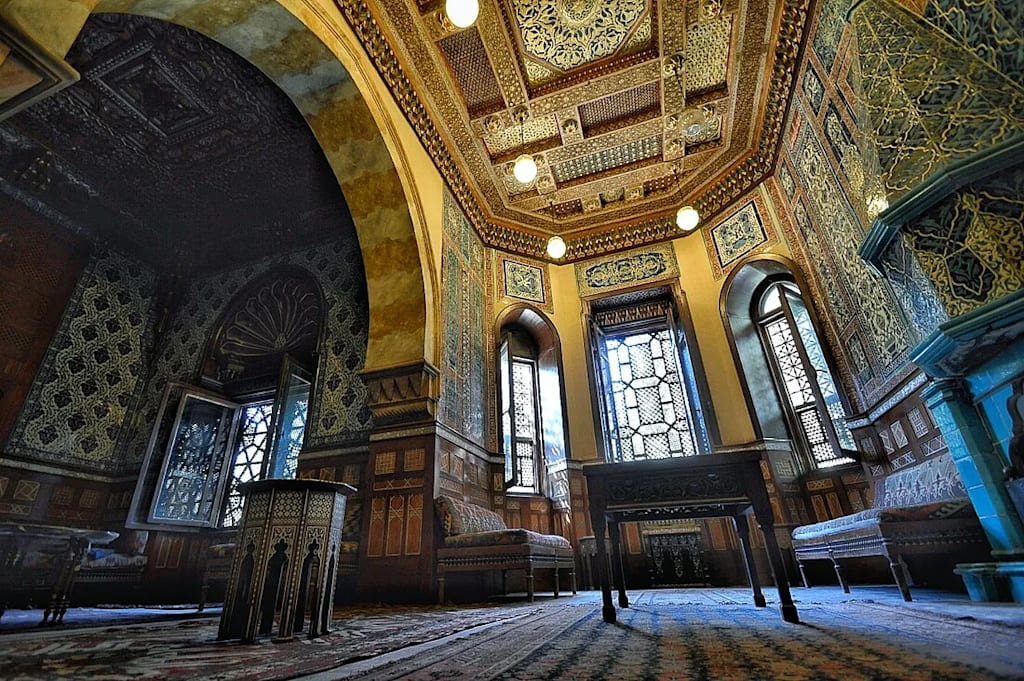
Nestled on Rhoda Island in the heart of Cairo, Manial Palace and Museum stands as one of Egypt’s most elegant and underrated historical treasures. Built between 1899 and 1929 by Prince Mohammed Ali Tewfik, the palace served as his private residence and was designed to preserve and celebrate Islamic art and architecture. Today, it functions as a museum and cultural landmark, offering visitors a fascinating glimpse into the luxurious lifestyle of Egypt’s royal family during the late 19th and early 20th centuries.
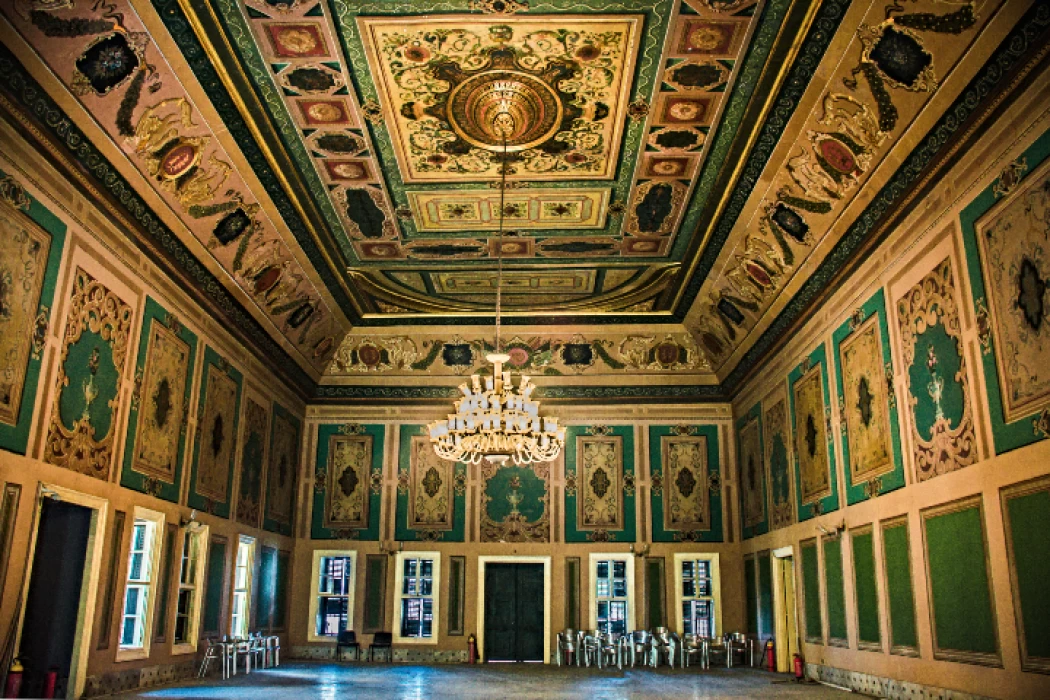
Prince Mohammed Ali Tewfik was a member of Egypt’s ruling dynasty and the uncle of King Farouk, the last king of Egypt. Known for his refined taste, intellectual interests, and passion for art, the prince envisioned a palace that would showcase the beauty of Islamic architecture while incorporating influences from different periods and regions of the Islamic world. The result was a remarkable complex that combines Ottoman, Mamluk, Persian, Moroccan, Andalusian, and European architectural styles, creating a unique masterpiece unlike any other royal residence in Egypt.
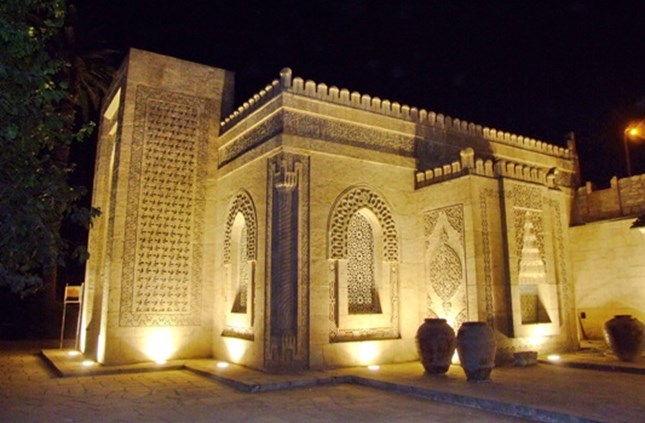
The palace complex covers a large area and consists of several buildings surrounded by beautifully landscaped gardens. As visitors enter the grounds, they are immediately greeted by lush greenery, rare plants, fountains, and decorative pathways that create a peaceful atmosphere far removed from the busy streets of Cairo. The gardens themselves were carefully designed by the prince and contain a collection of exotic trees and plants gathered from various parts of the world.
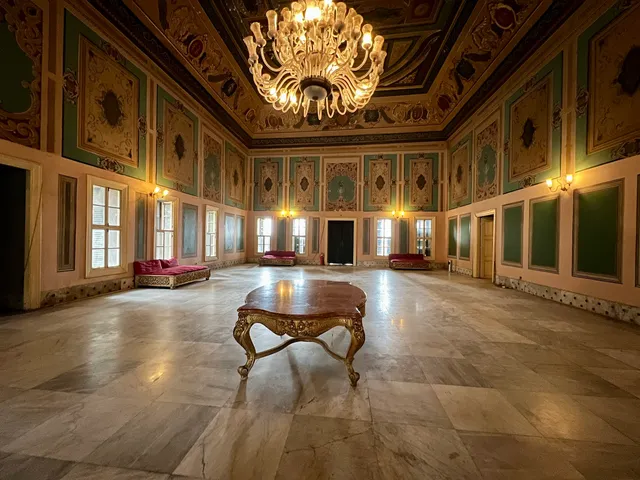
One of the highlights of the complex is the Reception Palace, which was used for official ceremonies and distinguished guests. This building is richly decorated with intricate woodwork, colorful stained-glass windows, elaborate ceilings, and detailed geometric patterns. Every room reflects exceptional craftsmanship and demonstrates the prince’s appreciation for fine artistic detail. Visitors can admire luxurious furnishings, antique clocks, carpets, and decorative objects that once adorned the palace during royal gatherings.
Another important section is the Residential Palace, where Prince Mohammed Ali lived. The rooms are preserved with original furniture, personal belongings, paintings, and collections that offer insight into the daily life of Egyptian royalty. Walking through these chambers allows visitors to imagine the elegance and sophistication of royal life during a period when Egypt was undergoing major political and social changes.
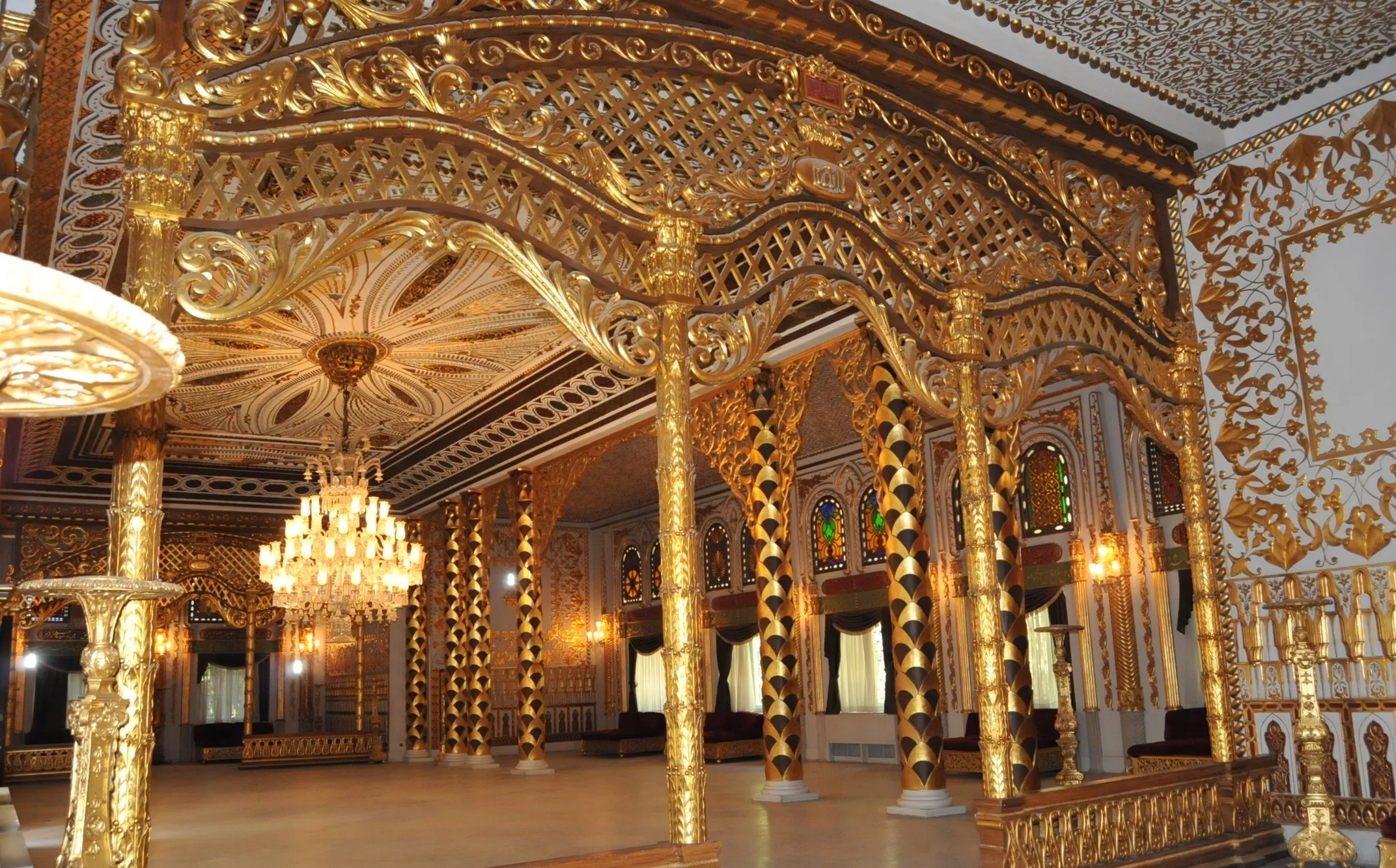
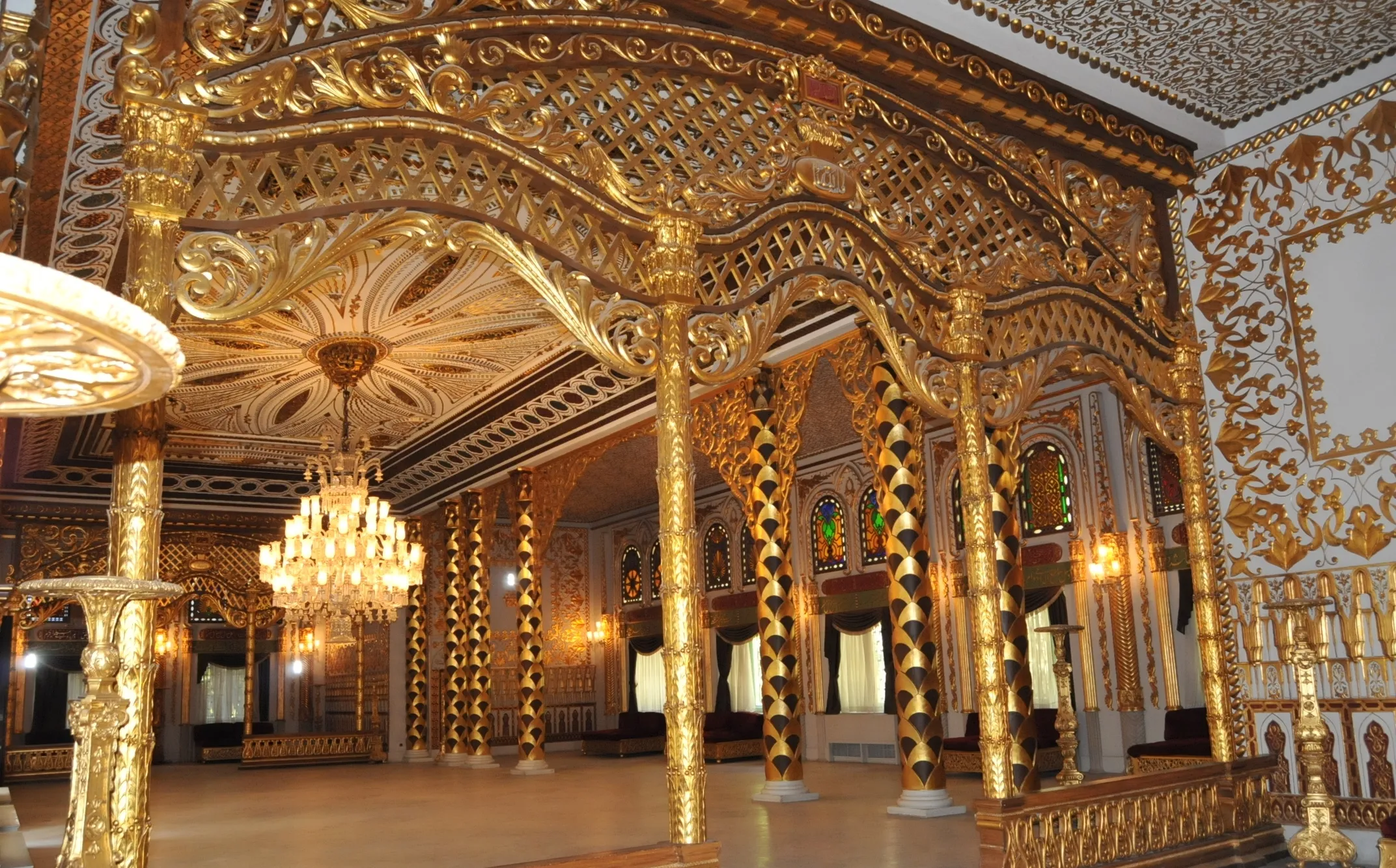
The Throne Hall is among the most impressive rooms in the palace. Featuring magnificent decorations, gilded details, and elaborate designs inspired by Islamic architecture, the hall was intended to symbolize royal authority and prestige. Although Prince Mohammed Ali never became king, he carefully prepared himself for the possibility, and the palace reflects his ambitions and vision for leadership.
One of the most remarkable features of Manial Palace is its extensive collection of art and historical artifacts. The museum houses rare manuscripts, textiles, ceramics, silverware, weapons, and furniture collected by the prince during his travels. These objects provide valuable insight into Islamic art and the cultural connections between different regions of the Muslim world. The collections also highlight the prince’s role as a patron of culture and preservation.
Architecture enthusiasts are particularly drawn to the palace because of its extraordinary attention to detail. Intricate arabesque carvings, decorative inscriptions, colorful tiles, and beautifully crafted domes can be found throughout the complex. Every corner reveals new artistic elements, making the palace a living showcase of Islamic design traditions.
Unlike some of Cairo’s more crowded tourist attractions, Manial Palace offers a quieter and more intimate experience. Visitors can explore the buildings and gardens at a relaxed pace while learning about an important chapter of Egypt’s royal history. The peaceful setting and rich cultural heritage make it an ideal destination for travelers seeking something beyond the city’s most famous landmarks.
Today, Manial Palace and Museum remains one of the finest examples of royal architecture in modern Egyptian history. It serves not only as a museum but also as a reminder of the artistic vision and cultural interests of Prince Mohammed Ali Tewfik. Through its architecture, collections, and beautifully preserved interiors, the palace continues to captivate visitors and preserve the legacy of a remarkable period in Egypt’s past.
In conclusion, a visit to Manial Palace and Museum offers a unique opportunity to step into the world of Egyptian royalty. With its stunning architecture, magnificent gardens, historical collections, and fascinating stories, the palace provides an unforgettable cultural experience and stands as one of Cairo’s hidden gems.
About the Creator
Enjoyed the story? Support the Creator.
Subscribe for free to receive all their stories in your feed.
Comments
There are no comments for this story
Be the first to respond and start the conversation.