
language training for children
language training for children

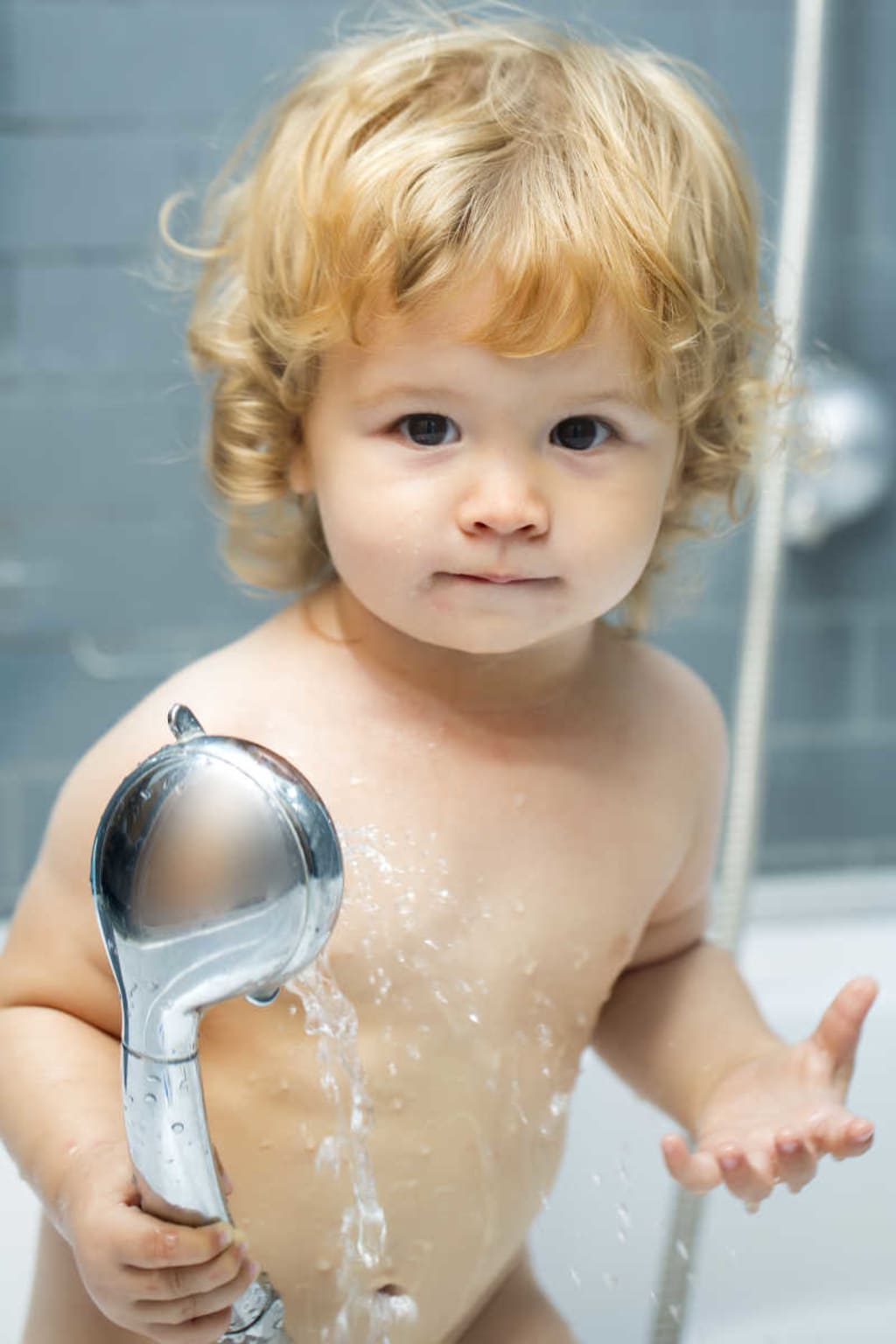
Every baby's language development speed is different, but generally follows the corresponding law. Parents can respond according to the baby's current age:
0-1 years old
Oral language development: Make a cooing sound at about 3 months, start babbling around 6 months, make a small sound, and start to say meaningful words.
Language development: Finds the source of the sound, responds to "no", cries differently when there is a biological need and seeks attention, recognizes own name and the names of family members, uses gestures and movements to communicate, begins to call "" Daddy" and "Mommy" respond to simple verbal commands.
1-2 years old
Oral language development: Language has become understood by family members and caregivers.
Language ability development: understand instructions containing 2-3 requirements, such as go to the room, bring the teddy bear and the puppy, can express more than 50 words, and understand more than 300 words
2-3 years old
Oral language development, clearer expression, 50%-75% of the content can be understood by strangers
Language ability development, understand the same and different concepts, master some basic grammar rules, and be able to speak sentences of up to 5-6 words
can tell stories
If the following situations occur, it means that the baby's language ability is on the red light. Parents need to be vigilant and take the child to see a doctor if necessary.
At the age of 1, the baby cannot respond to his name, make the first sound, and make eye contact.
At the age of 2, the baby cannot combine two words, has no new vocabulary that continues to increase, and cannot understand instructions.
3-5-year-old babies cannot speak orally so that family members and outsiders can understand them, can correctly express the names of things, ask and answer simple questions, remember phrases and sentences, and begin to speak sentences with 4-5 words.
To promote your baby's language development:
Create two-way communication for babies
Parents sometimes understand their children's thoughts too well, and the baby has what he wants before he speaks. But you need to give her time and opportunity to practice language expression, so when the baby has needs, or when you ask him/her a question, give him/her some time to respond, it may start with some voices, and slowly change Into words, slowly into sentences.
parent-child reading
Babies' language development needs repeated words, short sentences, rhymes, rhythms, and new vocabulary. Parent-child reading can help babies' language development very well.
When reading, interact and use questions to guide your baby's thinking and expression.
sing to baby
The importance of singing to baby's language development is self-evident. In addition to promoting language ability, it can also promote the development of baby's memory.
Special attention: Do not give children food that does not need to be chewed for a long time
The harm of not chewing for a long time:
Many parents have a misunderstanding, which is to regard food that needs to be chewed by the baby as indigestible food. Many parents are afraid that their children will swallow the food if they cannot chew it, and make the food into a paste, so that the children will not be able to chew by themselves when they are two or three years old. Many parents think that chewing ability is innate, but in fact, chewing ability needs to be cultivated the day after tomorrow. The completion of the chewing action requires the coordination of the tongue, mouth, cheek muscles and teeth. Therefore, the flexibility of the baby's tongue is subtly exercised, laying the foundation for the soon-to-be-started speaking practice.
Eating mushy food without chewing for a long time will lead to the lack of opportunities for the baby's gums and jaws to exercise, which will directly affect the development of the baby's teeth and jaws, and also affect the baby's intelligence. Chewing food can accelerate facial blood circulation, significantly increase the amount of blood flowing to the brain, and promote brain development.
A lack of chewing ability delays the ability to speak because of the lack of stimulation of the brain. Soft and rotten food contains a lot of water, which cannot meet the needs of the baby's growth in quantity. Moreover, soft and rotten food such as rotten porridge and vegetable puree will lose more nutrients during the cooking process. Eating soft and rotten food for a long time will cause cause malnutrition in children. Lack of chewing can also cause the deterioration of the child's sense of taste.
How to exercise your child's chewing ability?
The golden period for developing a child's chewing ability is 6-12 months. This period is the sensitive period of the child's mouth and a critical period for exercising chewing ability. During this period, the baby's deciduous teeth have erupted and developed to a certain extent, and can chew solid or even semi-solid food. During this period, parents can give their babies more foods rich in fiber and with a certain hardness. Such as fruits, vegetables, biscuits, etc. The chewing action affects the movement of the baby's facial muscles and eye muscles, accelerates blood circulation, and promotes the development of the dental arch, jawbone and facial bones, which is very helpful for the baby's brain development and the beauty of the face.
About the Creator
Enjoyed the story? Support the Creator.
Subscribe for free to receive all their stories in your feed.
Comments
There are no comments for this story
Be the first to respond and start the conversation.