
I Lost 19 Kilograms Without Giving Up My Culture
For years I told myself the weight was just part of who I was. Then a single moment at a family wedding shattered that story — and changed everything.

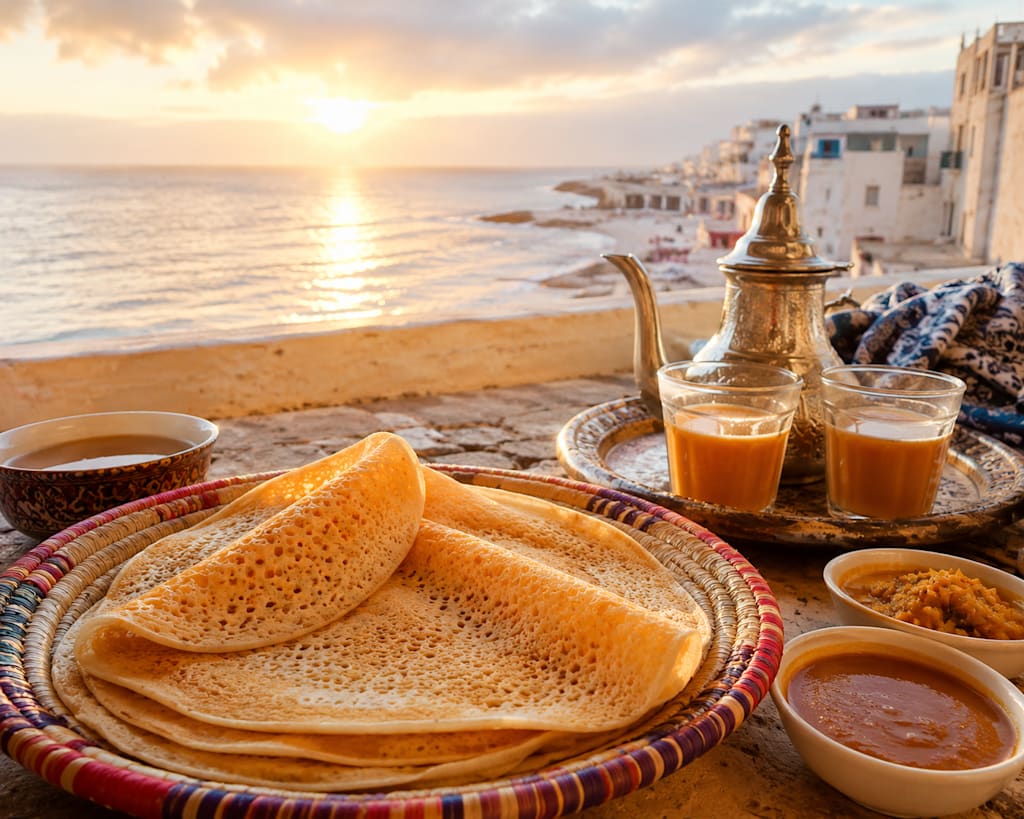
I grew up inside that warmth. Breakfasts were generous — canjeero layered with butter and sugar, or fried meat glistening in oil, all washed down with tea sweet enough to make your teeth ache. Lunch meant rice and goat or a heavy pasta stew. Dinner was more of the same. In our culture, refusing food isn't just impolite. It's a kind of rejection — of the person who made it, of the home you're sitting in.
So I ate. Happily, gratefully, without thinking twice.
By the time I was 25, I weighed 89 kilograms. And everywhere I went, people said the same thing: "Mashallah, you look healthy." In our community, fullness signals prosperity. A full man is a blessed man.
But I didn't feel blessed. I felt like I was disappearing inside my own body — slowly, quietly, in a way nobody else could see.
The Night I Couldn't Pretend Anymore
It happened at a wedding. I'd dressed carefully — a clean, tailored shirt and my best macawis. The hall was electric with laughter and music, the kind of celebration that fills you before you've touched a single plate of food.
I got up to dance. I lasted four minutes.
My chest clenched. My pulse hammered in my ears. I slipped out through a side door, phone pressed to my face, pretending to take an urgent call. I stood in the dark outside the hall, hands on my knees, breathing in slow, humiliated gulps.
That night, alone in front of the mirror, something shifted. The man looking back at me wasn't sick exactly. But he wasn't well either. He was 25, struggling to dance at a wedding, afraid of his own heartbeat.
I made a decision. Not a dramatic one — no declaration, no diary entry, no promise I'd probably break by morning. Just a quiet, private decision: something has to change. And I am not going to lose myself in the process.
"I didn't want to choose between my health and my culture. I wanted to discover that I never had to."
89kg Where I started at age 25
70kg One year later
19kg Lost — without starving
What I Had to Understand First
Before I changed a single meal, I needed to understand what was actually happening. Because I had spent years assuming I just lacked willpower. That I was weak in some fundamental way. That's not what I found.
01 It wasn't about the food itself
Somali food is not the problem. Canjeero, rice, goat — these are not poisons. The problem was portion size, cooking methods, and the complete absence of balance. I was eating meals designed to feed a laborer while living the life of someone who barely left his chair.
02 I had stopped moving — completely
In our town, you drive when you can. You sit when you can. Hospitality means resting your guests. I had absorbed all of this without noticing. My body was designed for movement. I had given it none.
03 I was eating my feelings
Stress, boredom, loneliness — I fed them all. Food was comfort, reward, and company. I wasn't eating because I was hungry. I was eating because the food asked nothing of me in return.
04 My definition of "healthy" was wrong
I had inherited a belief that thinness meant illness. That a full body was a fortunate body. I didn't need a new diet. I needed a new understanding of what health actually looks like — and what it feels like from the inside.
The Changes — Small, Stubborn, and Real
I didn't overhaul my life overnight. I didn't hire a trainer or buy special food or join a program. I made six small changes and I held onto them with both hands.
✓ I changed my breakfast. Canjeero with sugar and oil became boiled beans with ginger tea — still Somali, still warm, still a meal I looked forward to. Just different.
✓ I added vegetables to every lunch. Even if it was just sliced tomatoes and cucumbers on the side. It sounds almost embarrassingly small. It changed everything about how full I felt and how much rice I needed.
✓ I kept eating rice and pasta — but halved my portion. I did not eliminate the foods that tasted like home. I just stopped using the plate as an invitation to take as much as possible.
✓ I replaced sweet tea and soda with water. This alone — I'm convinced — was responsible for the first four kilograms I lost.
✓ I walked for 20–30 minutes after lunch, every day. Not a run. Not a gym session. A walk. The kind of walk that doesn't make you sweat through your shirt but keeps your body remembering what it was built to do.

My family thought I was ill. They watched me eat smaller portions with the quiet concern of people who understand love as abundance. "Are you sick?" my mother asked. "You're not eating."
I was eating. I was just eating differently. And I explained — not defensively, not with lectures — just honestly. This is what I'm doing. This is why. And slowly, they began to see the change in me before they had words for it.
The Part Nobody Talks About: The Social Weight
The kilograms were not the hardest thing to lose.
The hardest thing was standing in a room full of people who loved me, declining a second plate, and letting the silence that followed just sit there. The whispers started gently. "Are you sick?" became "Why are you getting so thin?" became "You don't eat meat anymore?"
I smiled. I explained when it helped. I kept going when explanation wasn't enough.
What surprised me was how quickly others followed once they saw real results — not before. My younger brother started joining my evening walks. My cousins started asking questions. I started cooking for the family: baked sambusas instead of fried, tea with a fraction of the usual sugar. Nobody complained. Some of them preferred it.
You cannot drag people toward health. But if you walk toward it yourself with enough conviction and enough patience, some of them will follow you without realizing they've moved.
"Change doesn't announce itself. It accumulates — quietly, stubbornly — until one day you look up and realize you are not who you were."
One Year Later
Before 89kg Gasping outside a wedding hall, alone in the dark
After 70kg Dancing at the next wedding — all the way to the end
I climb stairs without stopping. My back doesn't ache from simply existing. I wake up in the morning and my body doesn't feel like a burden to be managed through the day.
But more than any of that: I wear my macawis with something I hadn't felt in years. Pride. Not because I'm thinner — but because I did something difficult and I did it without abandoning who I am. I still eat canjeero. I still drink spiced tea. I still sit at a table loaded with food at weddings and family gatherings and say yes to the things I love.
I just understand, now, that love doesn't require excess. That celebration doesn't require punishment the morning after. That health and tradition are not enemies — they never were.
What I Learned — For Anyone Starting From Where I Started
Food is not the enemy — your relationship with it might be
You don't need to give up your culture or your cuisine. You need to understand portions, preparation, and balance. Canjeero has a place in a healthy life. So does everything else you love — in the right amounts, cooked the right way.
Small changes outlast dramatic ones every single time
I made no grand gestures. I made five quiet adjustments and I held them for weeks until they became habits. Lasting change is boring. That's the secret nobody sells you.
The mental shift is harder than the physical one
I had to unlearn beliefs I'd held since childhood — about what health looks like, what a good body is, what it means to be well. That rewiring took longer than the weight loss. It was also more valuable.
Your culture is not an obstacle — it's a resource
I didn't discard my traditions. I adapted them. Somali food, cooked with less oil and eaten in smaller portions alongside vegetables, is still Somali food. It still tastes like home. It just no longer costs me my health.
Be patient with the people around you
Their concern is love wearing the wrong costume. Explain, demonstrate, and give them time. You cannot convince anyone with words alone — but your results will eventually speak in a language everyone understands.
If you are reading this from somewhere that feels familiar — a body that exhausts you, a culture that surrounds food with love you don't know how to refuse, a mirror that shows you someone you've quietly stopped recognizing — I want you to hear this clearly:
You do not have to choose between your health and your identity. You never did.
The path is not starvation. It is not punishment. It is not the erasure of everything your mother cooked and your grandmother blessed. It is, instead, a slow and honest renegotiation — with your body, your habits, and ultimately yourself.
It is possible. I am the proof. And if it happened for a man in Bosaso who couldn't dance for four minutes at a wedding — it can happen for you.
This article reflects one person's personal journey with weight and health. It is not medical advice. Individual results vary. If you are dealing with significant weight concerns or related health conditions, please consult a qualified healthcare provider before making dietary or lifestyle changes.
About the Creator
Yaaquut Finds
Helping readers discover smart products, digital opportunities, health tips, business ideas, and lifestyle inspiration. Sharing honest insights, useful guides, and curated finds to help you grow and succeed online.
Enjoyed the story? Support the Creator.
Subscribe for free to receive all their stories in your feed.
Comments
There are no comments for this story
Be the first to respond and start the conversation.