
How Upscale Restaurants Create Unique Dining Experience
Upscale restaurants can create unique dining experiences that engage all senses by going beyond serving food to offer immersive and memorable experiences.
Upscale restaurants can create unique dining experiences that engage all senses by going beyond serving food to offer immersive and memorable experiences. Culinary innovations at these restaurants shape meals into journeys where dining becomes a form of art in itself. We explore the ways upscale restaurants create such extraordinary experiences from ambiance, service ingredients, and much more.
1. Ambiance Design
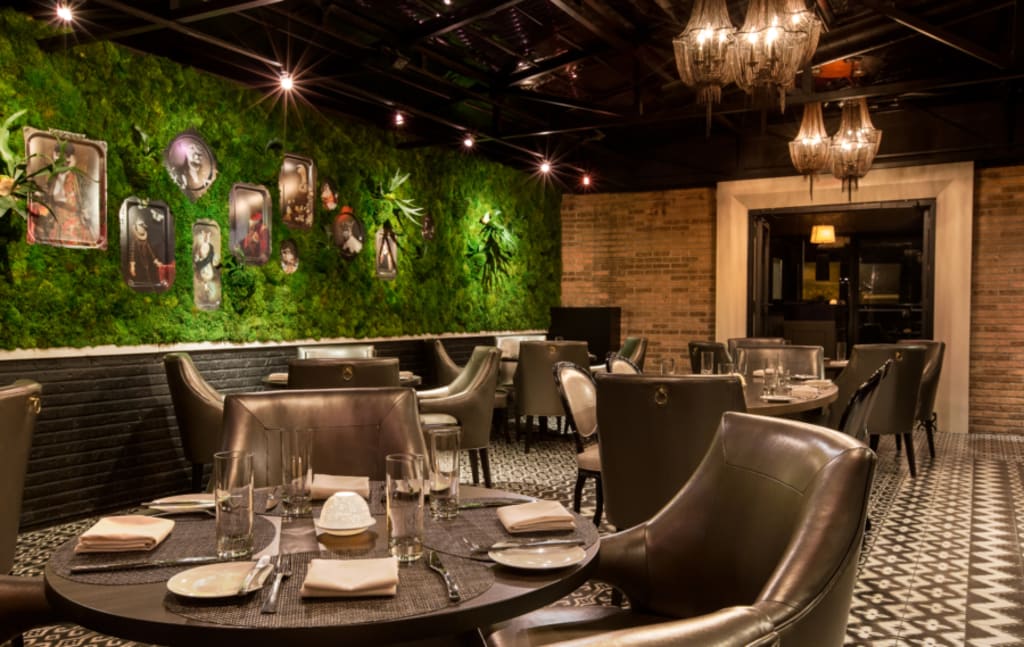
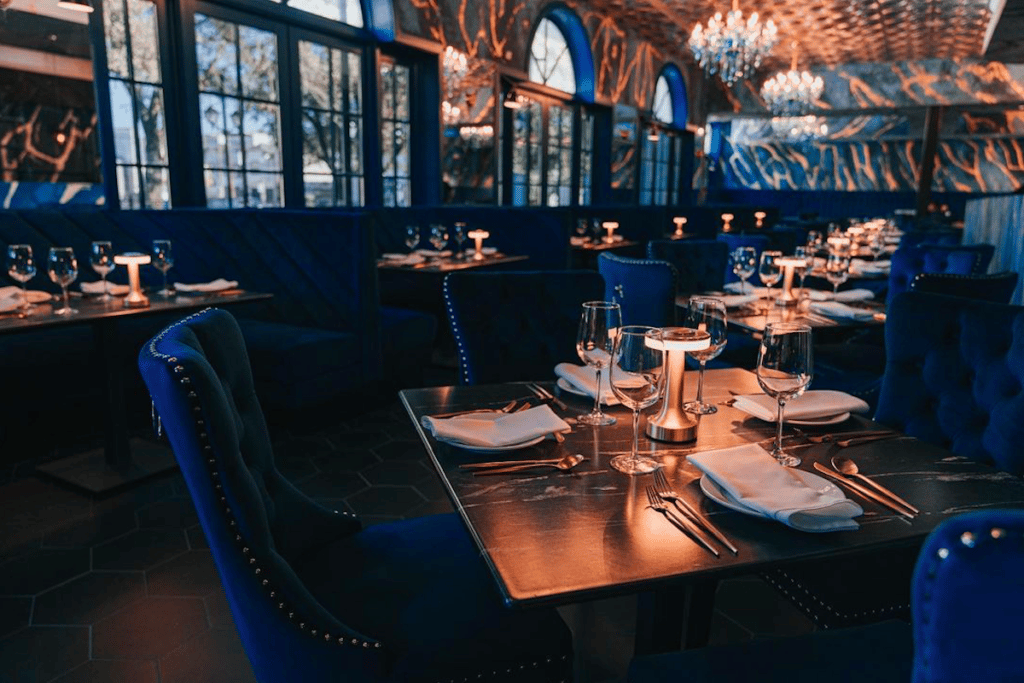
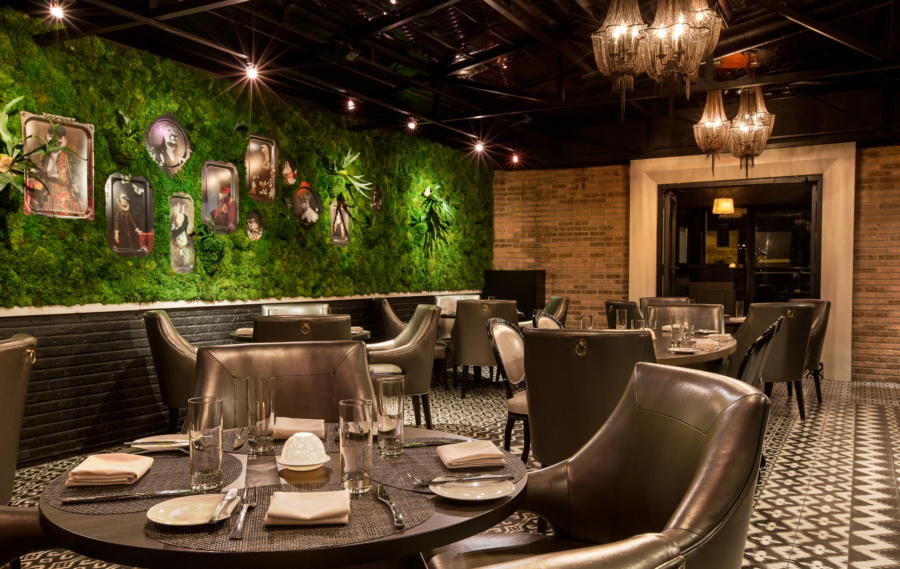
Ambiance is one of the upscale dining experiences, and so is made to give an atmosphere that leaves the guest with a feeling of luxury and comfort. Lighting, furniture, music, and decor all set up the ambiance that will define the meal. Some high-end restaurants choose their theme's decor. It could be the minimalistic elegance, modern sophistication, or even rustic charm. The lighting is soft but well-placed, and the ambiance feels warm and inviting. It makes the food look appealing. Sound is another consideration: background music has to be chosen so that it would make the experience of dining personal and immersive.
2. Special Menu with Seasonal Ingredients
Upscale restaurants typically create menus that combine innovation and tradition by incorporating exotic ingredients and more contemporary methods of cooking, yet retaining some of the classics. They typically source the best ingredients around, usually sourced within the region, to ensure that their meals are fresh and sustainable. A focus on seasonal ingredients is often very prominent in their dishes, which change frequently to feature the best of every season. Most of the fine dining restaurants also have tasting menus, which will afford the clients numerous courses of artistic license to be taken by each course and ultimately mastered by flavors from the kitchen.
3. The Role of an Experienced Chef
At the center of all creative dining experiences lies the chef. Fine dining restaurants use the abilities of chefs as artists in the field of creativity in cooking. These chefs have years of experience and formal training in world-renowned kitchens, bringing a level of skill and creativity to their dishes that cannot be found in average restaurants. Their ability to combine flavors, textures, and presentations allows them to elevate dining to an unforgettable experience. Many luxury restaurants also pride themselves on allowing the chef to innovate with new products and new technologies, so, in fact, the menu will always change, surprise, and please the guests.
4. Creating a Multi-Sensory Experience
Fine dining through an upscale restaurant is meant to be multi-sensory. It is not only about taste but about the pleasure of all senses, which creates each meal as an experience. This includes the plate's appearance, the aroma that develops from a dish, the feel of the food, and the sound of sizzling entrées being served-all of which take diners on a sensory journey that elevates the experience. Upscale dining institutions may also include interactive elements, such as tableside presentations or plating techniques designed to surprise and stimulate the diner.
5. Personalized Service
Personalized service is another characteristic of upscale restaurants. Staff is trained to anticipate guests' needs so that every diner feels valued and attended to throughout the meal. Whether remembering a guest's dietary preferences or offering personalized wine pairings based on the meal, the level of service in upscale dining is unmatched. Most staff members receive thorough training to guarantee perfect service. The hotel's menu is planned carefully to suit every guest's taste. Such service will make each guest feel like the center of attention at the restaurant, making this dining experience a time of ultimate luxury.
6. Unique Wine and Beverage Offerings
Any fine dining experience has the beverage program to be part of it. Upscale restaurants have immense wine lists, usually curated by expert sommeliers who will recommend the perfect wine to go with every dish. These restaurants go beyond the glass of wine to craft cocktails, artisanal spirits, or even non-alcoholic drinks all carefully prepared to complement flavors of food. By unique pairing, the restaurant invites guests into a more profound relationship between food and beverage. These pairings show attention to detail that make each sip and bite memorable.
7. Local and Cultural Influences
Upscale dining experiences often celebrate the local culture and region, with restaurants incorporating ingredients, techniques, and dishes inspired by the local area or global influences. Many fine dining chefs are deeply committed to exploring their cultural heritage and culinary traditions, blending these influences into their modern menus. Guests often have the opportunity to experience dishes prepared with fresh locally grown produce, meats, and seafood, making each meal a reflection of the region.
These details add flavor to the meal but also bring in an element of education through food and experience different flavors and stories.
8. Paying Attention to Presentation
Visual presentation of each dish is another critical component in fine dining. Each plate would be a design, with flavors and colors having the attention chefs give to shaping and texture to make it come alive. Fine droplets, well-arranged plating, and intricate decorations are given so as to come out pleasingly beautiful. Such a scale of delicacy makes the courses one completely visuals and sends guests into a whirl of appreciating the food even before they bite it. The presentation of food many times speaks volume and forms part of the narration of the meal, which gives enhanced richness to the whole experience.
9. Themed Events and Experiences
Upscale restaurants often have special events and experiences that are beyond just dining. Examples include themed dinners, wine tastings, chef's tables, and seasonal celebrations. These events help guests immerse themselves in a specific theme or ideology and are used as a unique way in which one can experience the restaurant and its offerings. With the organization of such private events, a fine dining restaurant will provide patrons with a place of exclusiveness to be returned and repeated to have a different and unusual experience with each visit.
10. Sense of Community
In their attempt, the fine dining restaurants would make efforts in making a place a sense of community among all of their patron-citizens. Whether it's an intimate, communal dining setting or where guests can feel as if they are part of a special occasion, fine dining establishments work hard to make guests feel welcome and included. This sense of belonging builds another layer of value within the experience, ensuring diners remember not just the meal in terms of taste but for warmth and connection during their visit. Upscale restaurants get long-term relationships with customers just by creating space where people feel they belong.
Upscale restaurants are not about the food. They are for the entirety of an experience that reaches a customer's senses, provides flawless service, and pushes culinary creativity to its limits. By focusing on every aspect of the dining experience, from ambiance to personalized service, these houses turn a meal into an unforgettable journey that their guests will revisit with eagerness. Whether seasonal ingredients, new presentations, or expertly prepared beverages, these restaurants transform dining into an art form continually surprising and pleasing.
About the Creator
Enjoyed the story? Support the Creator.
Subscribe for free to receive all their stories in your feed.
Comments
There are no comments for this story
Be the first to respond and start the conversation.