
How to Spot an Ageing Hot Water System Before It Fails on a Monday Morning
Early warning signs, safety checks and simple maintenance tips to help Sydney homeowners avoid sudden hot water system failure.
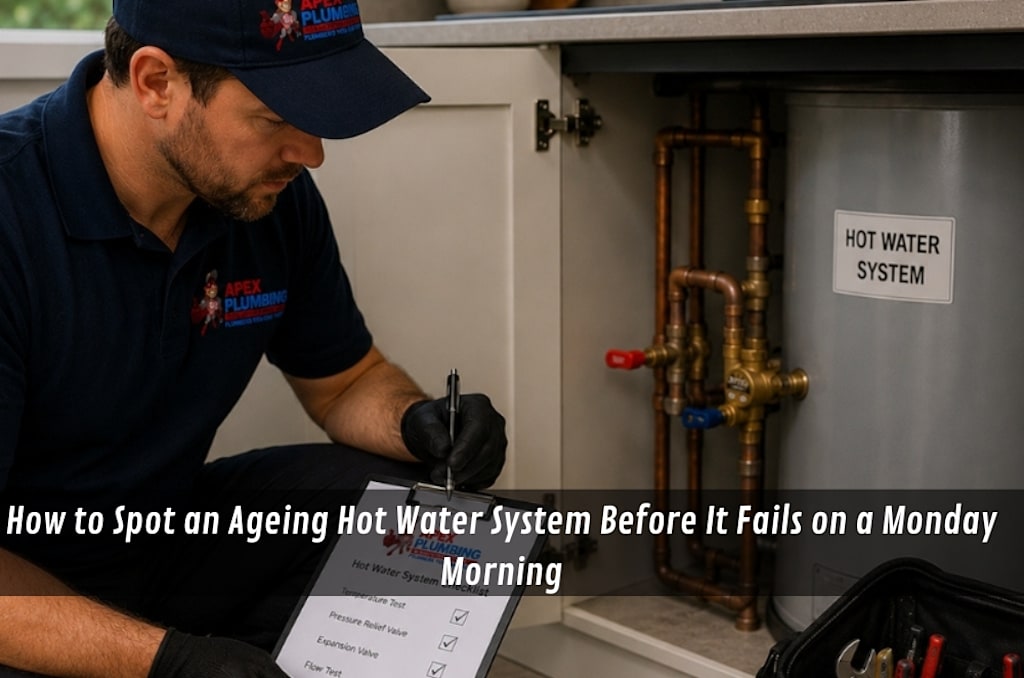
Waking up to an unexpected cold shower on the busiest day of the week is a rude start for any Sydneysider. Yet many hot-water failures give off early warning signs months in advance. By recognising those cues, homeowners and tenants can schedule maintenance in their own time rather than scrambling for an emergency call-out. Below is a practical, Australian-English guide to identifying, interpreting and acting on the small clues that often predict big trouble.
Why Hot-Water Systems Age Faster Than We Think
Hot water units work quietly, often tucked away in a cupboard, garage or outdoor alcove. That hidden location makes it easy to forget the constant pressure, temperature swings and mineral-rich Sydney water each unit handles every day. Over time, those conditions accelerate:
- Internal corrosion of steel tanks
- Degradation of rubber seals and gaskets
- Wear on heating elements or gas burners
- Build-up of calcium scale on pipes and valves
The result is a gradual dip in efficiency followed by sudden failure. Understanding how these stressors accumulate is the first step toward early detection.
Early Performance Clues You Can Hear, See or Feel
Before visible leaks appear, ageing systems often announce themselves through small behaviour changes:
- Temperature Swings - Water alternates between hot and lukewarm within the same shower. Thermostat or tempering valve may be fighting mineral build-up or sensor fatigue.
- Longer Heat-Up Times - Tank systems need noticeably more time between showers. Heating elements or gas burners could be losing output or struggling with scale.
- Unusual Sounds - A popping, rumbling or kettling noise inside a storage tank means mineral deposits are thick enough to trap steam pockets.
- Discoloured Water During First Use - Brown-tinged or rusty water first thing in the morning can signal internal tank rust.
If any of these clues appear, note the frequency. Is it occasional or every day? Consistent patterns usually equal an ageing unit that needs attention.
Visual Signs That Warrant a Closer Look
Some issues are literally on the surface:
- Rust streaks or bubbling paint on the tank’s exterior
- Moisture beads around fittings that return soon after drying
- White calcium crust around pressure-relief or tempering valves
- Drips from the overflow pipe continuing after the reheating cycle
For storage tanks, another subtle visual sign relates to the sacrificial anode rod. When the anode is almost “eaten”, rust spots often become more frequent. Readers wanting a deeper dive into this maintenance task can consult this helpful anode rod replacement guide.
Safety and Compliance Checks You Shouldn’t Skip
A failing hot-water system isn’t just inconvenient, it can become unsafe. Key Australian safety and efficiency standards cover correct water temperature, gas ventilation, and pressure valve operation. For example, current recommendations from the Australian Government energy hot water guidance outline temperature settings to minimise scald risk and legionella growth.
Homeowners can safely check:
- The relief valve lever discharges a small spurt of water when lifted (tank cool first).
- Gas units have clear ventilation pathways - no cardboard boxes stacked around flues.
- Electrical units show no scorching or melted insulation on visible wiring.
- Tempering valves are stamped with an approval mark and present on systems serving bathrooms.
Any deviation from the above is a prompt to call a licensed plumber, not a DIY experiment.
When an Inspection Says "Replace" - Planning Ahead
Sometimes an experienced plumber will confirm that ongoing repairs outweigh the value of an ageing unit. Common tipping points include:
- Tanks older than 10-12 years showing corrosion
- Multiple element or thermostat replacements within two years
- Continuous pilot-light or ignition problems on gas models
- Leaks from welded tank seams (rarely economical to fix)
Rather than waiting for total failure, many Sydney households explore a full-system upgrade once these red flags emerge. At this stage, readers may find comprehensive hot water systems guide useful for comparing modern electric, gas, solar-boosted and heat-pump options suited to local climate and tariffs.
Quick At-Home Checklist for Monthly Hot-Water Health
Below is a simple routine that takes less than ten minutes and can significantly reduce Monday-morning disasters:
- Listen for new knocking, popping or hissing noises during reheating.
- Run the nearest tap - note any colour change or metallic odour.
- Feel for excessive heat on the relief valve drain line (could mean valve issues).
- Visually confirm no rust streaks or damp patches on and around the tank.
- Check that the unit’s location remains free of clutter for inspection and ventilation.
- Record any thermostat adjustments you make - frequent tweaks can hide a failing element.
- Mark the manufacture date or last service date on your phone calendar for easy tracking.
What to Do If Warning Signs Keep Returning
- Photograph or video the symptom. Evidence helps a professional diagnose faster.
- Note water pressure, outdoor temperature and any recent plumbing work that might influence the system.
- Contact a licensed plumber with your observations rather than just requesting a “quick fix”.
- Compare repair quotes with replacement estimates, factoring in potential energy savings of newer models.
- Schedule upgrades for mid-week where possible - suppliers and installers often have more availability, reducing wait times.
Final Thoughts
Hot-water systems rarely fail without notice, but their warnings are easy to overlook amid daily routines. By tuning in to small performance shifts, surface changes and safety checkpoints, Sydney households can budget and plan ahead instead of facing an icy surprise on the busiest morning of the week. Staying observant and acting promptly when patterns persist is the calmest path to long, reliable showers.
About the Creator
Enjoyed the story? Support the Creator.
Subscribe for free to receive all their stories in your feed.
Comments