
How to Grow and Care for Teddy Bear Sunflower Plants
Sunflower Plants Tips
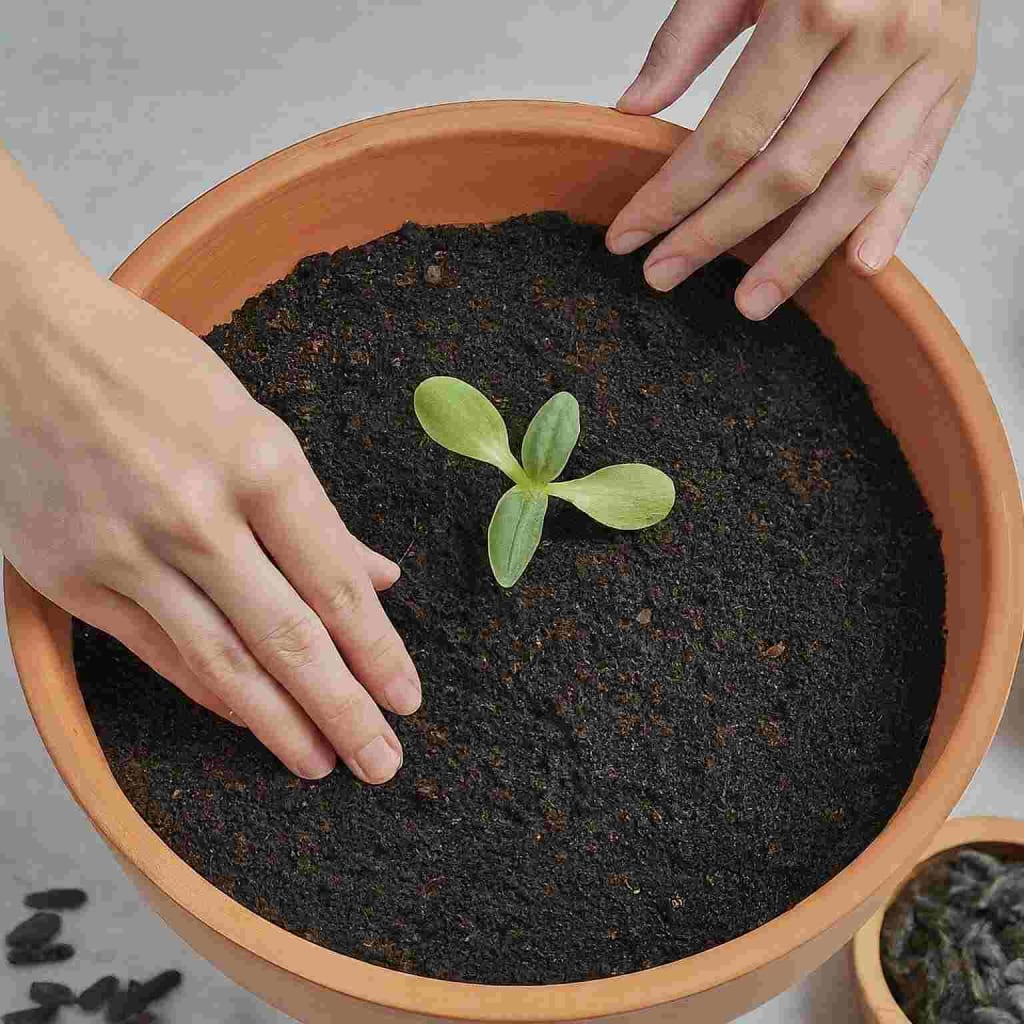
Growing Teddy Bear sunflower plants is a rewarding and straightforward gardening project. These sunflowers, known for their compact size and fluffy, golden blooms, are perfect for adding a cheerful touch to your garden. In this guide, we’ll cover everything you need to know to successfully grow and care for Teddy Bear sunflower plants.
Why Choose Teddy Bear Sunflower Plants?
Teddy Bear sunflowers (Helianthus annuus) are a unique variety of sunflower that stands out for several reasons:
Compact Size: Unlike traditional sunflowers that can grow to towering heights, Teddy Bear sunflowers are much shorter, reaching only about 2-3 feet tall. This makes them ideal for smaller gardens, containers, or as a border plant.
Fluffy Blooms: The flowers are dense and double-layered, giving them a fluffy, plush appearance. Their bright yellow color can lighten up any garden space.
Easy to Grow: These sunflowers are relatively easy to cultivate and care for, making them a great choice for both novice and experienced gardeners.
Getting Started: Preparing for Planting
Selecting the Right Location
Sunlight is crucial for the growth of Teddy Bear sunflowers. They need at least 6-8 hours of direct sunlight each day. Choose a spot in your garden that receives plenty of sunlight and is sheltered from strong winds, which can damage the plants.
Soil Preparation
Teddy Bear sunflowers thrive in well-draining soil with a pH level between 6.0 and 7.5. Before planting, it’s a good idea to test your soil’s pH. You can amend the soil with organic matter like compost to improve its fertility and drainage if needed.
Loosen the Soil: Dig the soil to a depth of about 12 inches to ensure it’s loose and well-aerated.
Add Compost: Mix in compost or aged manure to enrich the soil with essential nutrients.
Planting Teddy Bear Sunflower Seeds
When to Plant
The best time to plant Teddy Bear sunflower seeds is in the spring, after the last frost has passed. Sunflowers are sensitive to frost, so it’s crucial to wait until the soil has warmed up sufficiently.
How to Plant
Prepare the Planting Area: Remove any weeds or debris from the area where you plan to plant.
Planting Depth and Spacing: Sow the seeds about 1 inch deep and space them 12-18 inches apart to allow enough room for growth.
Watering: After planting, water the seeds thoroughly to help them settle into the soil.
Caring for Teddy Bear Sunflower Plants
Watering
Proper watering is essential for the growth of Teddy Bear sunflowers. They prefer consistent moisture but do not like to be waterlogged.
Frequency: Water the plants regularly, especially during dry periods. Aim to keep the soil evenly moist.
Method: Water at the base of the plants to avoid wetting the foliage, which can lead to fungal diseases.
Fertilizing
Fertilizing helps ensure that your sunflowers get the nutrients they need to grow strong and healthy.
Type of Fertilizer: Use a balanced, all-purpose fertilizer or one specifically formulated for flowering plants.
Application: Apply fertilizer once a month during the growing season. Follow the instructions on the fertilizer package for the correct application rates.
Mulching
Mulching offers several benefits for Teddy Bear sunflowers:
Moisture Retention: Mulch helps retain soil moisture, reducing the frequency of watering.
Weed Suppression: It helps suppress weeds that compete with your sunflowers for nutrients and water.
Temperature Regulation: Mulch helps keep the soil temperature consistent, protecting the roots from extreme temperatures.
Apply a 2-3 inch layer of organic mulch, such as straw or wood chips, around the base of the plants.
Managing Pests and Diseases
Common Pests
Aphids: These small insects can weaken your plants by sucking sap from the leaves and stems. Control aphids by spraying the plants with insecticidal soap or introducing natural predators like ladybugs.
Caterpillars: Caterpillars can chew through the leaves, causing significant damage. Handpick caterpillars off the plants or use an organic insecticide if infestations are severe.
Common Diseases
Powdery Mildew: This fungal disease appears as a white, powdery coating on the leaves. Improve air circulation around the plants and avoid overhead watering to prevent it.
Root Rot: Caused by overwatering or poorly draining soil, root rot can severely damage your sunflowers. Ensure proper watering practices and soil conditions to avoid this issue.
Supporting Your Teddy Bear Sunflowers
Staking
While Teddy Bear sunflowers are more compact and bushy, they may still benefit from staking, especially in windy areas.
When to Stake: Stake your sunflowers if they appear to be leaning or if you live in an area prone to strong winds.
How to Stake: Insert a sturdy stake into the ground near the plant and tie the stem loosely to the stake with garden twine.
Harvesting and Enjoying Teddy Bear Sunflowers
When to Harvest
Teddy Bear sunflowers are ready to harvest when the petals start to curl back, and the center disk becomes more prominent.
Cutting the Flowers: Use sharp scissors or pruning shears to cut the stems. Harvest early in the morning or late in the evening when temperatures are cooler.
Using Teddy Bear Sunflowers
Decorative Use: Teddy Bear sunflowers make beautiful cut flowers for indoor arrangements. Their fluffy blooms can brighten up any room.
Seed Saving: If you want to save seeds for next season, allow some flowers to dry on the plant. Once the seeds are fully developed and dry, remove them and store them in a cool, dry place.
Troubleshooting Common Issues
Poor Germination
Possible Causes: Poor germination can result from planting seeds too early, too deep, or in poorly draining soil.
Solutions: Ensure you plant seeds at the right time, depth, and in well-prepared soil.
Yellowing Leaves
Possible Causes: Yellowing leaves can be a sign of nutrient deficiency, overwatering, or pests.
Solutions: Check your watering practices, ensure proper fertilization, and inspect for pests.
Conclusion
Growing Teddy Bear sunflower plants can be a delightful and fulfilling gardening experience. By following these simple guidelines for planting, caring for, and maintaining your sunflowers, you can enjoy a garden filled with their cheerful blooms. Remember, the key to successful gardening is patience, observation, and a little bit of effort. Happy gardening!
About the Creator
Enjoyed the story? Support the Creator.
Subscribe for free to receive all their stories in your feed.
Comments
There are no comments for this story
Be the first to respond and start the conversation.