
How Childhood Trauma Can Affect Your Relationship?
Read to get some insights
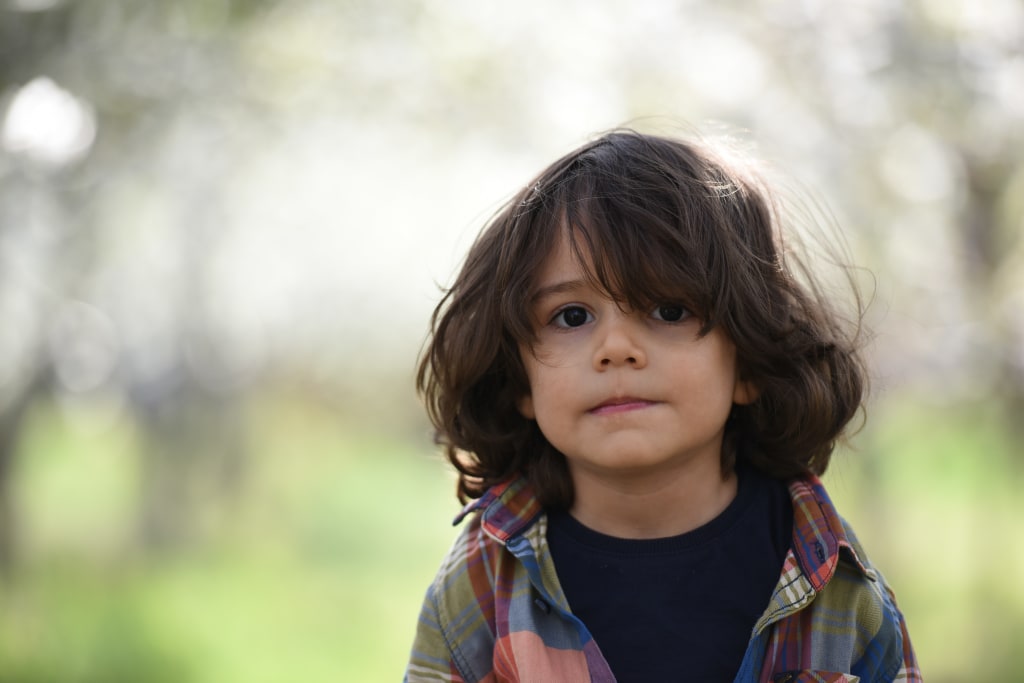
Childhood trauma can have a significant impact on an individual's ability to form and maintain healthy relationships. Traumatic experiences can create patterns of behavior and thought that carry over into adulthood, making it challenging to build and maintain relationships. Here are some ways that childhood trauma can affect your relationships.
What exactly is childhood trauma?
Childhood trauma refers to experiences that are emotionally or psychologically painful and distressing, which occur during childhood or adolescence. These experiences can have a significant and lasting impact on a person's mental, emotional, and physical health, as well as their relationships and overall quality of life.
Childhood trauma can take many different forms, such as physical or sexual abuse, neglect, violence, abandonment, bullying, chronic illness or hospitalization, parental divorce, or witnessing violence or substance abuse in the family. It can also result from exposure to natural disasters or other traumatic events, such as war or terrorism.
The effects of childhood trauma can be far-reaching and can include symptoms of anxiety, depression, PTSD, personality disorders, addiction, and difficulty with trust and attachment in relationships. Effective treatment often involves a combination of therapy, medication, and support from loved ones and mental health professionals.
Difficulty Trusting: Childhood trauma can lead to a lack of trust in others. This can make it difficult to form close relationships or trust partners in romantic relationships. Individuals who have experienced childhood trauma may have a difficult time letting their guard down and opening up to others, which can make it challenging to build a strong connection with their partner.
Fear of Abandonment: Traumatic experiences, such as neglect or abandonment, can lead to a fear of being left alone. This fear can manifest in relationships and cause individuals to become clingy or overly dependent on their partner. Alternatively, it can lead individuals to avoid relationships altogether to avoid the potential pain of abandonment.
Self-Sabotage: Childhood trauma can also lead to self-sabotage in relationships. This can include pushing partners away, picking fights, or engaging in self-destructive behaviors that damage the relationship. These behaviors may stem from a fear of being hurt or a belief that the relationship is not worth pursuing.
Emotional Instability: Individuals who have experienced childhood trauma may struggle with emotional regulation. This can manifest in relationships as mood swings, outbursts of anger, or emotional withdrawal. These behaviors can be confusing and hurtful to partners, leading to further strain on the relationship.
Attachment Issues: Trauma can also impact attachment styles, which can affect how individuals relate to their partners. For example, individuals who experienced neglect may have an avoidant attachment style, making it difficult for them to get close to their partner. Alternatively, individuals who experienced trauma may have an anxious attachment style, leading them to become overly dependent on their partner.
It's important to note that while childhood trauma can have a significant impact on relationships, it's not a life sentence. With therapy and support, individuals can work through their trauma and learn to build healthy, fulfilling relationships. If you or someone you know is struggling with the effects of childhood trauma in their relationships, it's important to seek help from a qualified therapist or counselor.
It is also said that talking really helps. When you talk about your problems openly you instantly feel lighter and it really takes a lot of pent-up stress away. There is an application known as Clarity App which is an emotional wellness platform, you can talk it all out with a listener on Clarity App. I would highly recommend this application to those who actually need someone to talk to. Do try, you will feel better.
About the Creator
Enjoyed the story? Support the Creator.
Subscribe for free to receive all their stories in your feed.
Comments
There are no comments for this story
Be the first to respond and start the conversation.