
GOOD TOUCH vs BAD TOUCH!!!
parents must know about this
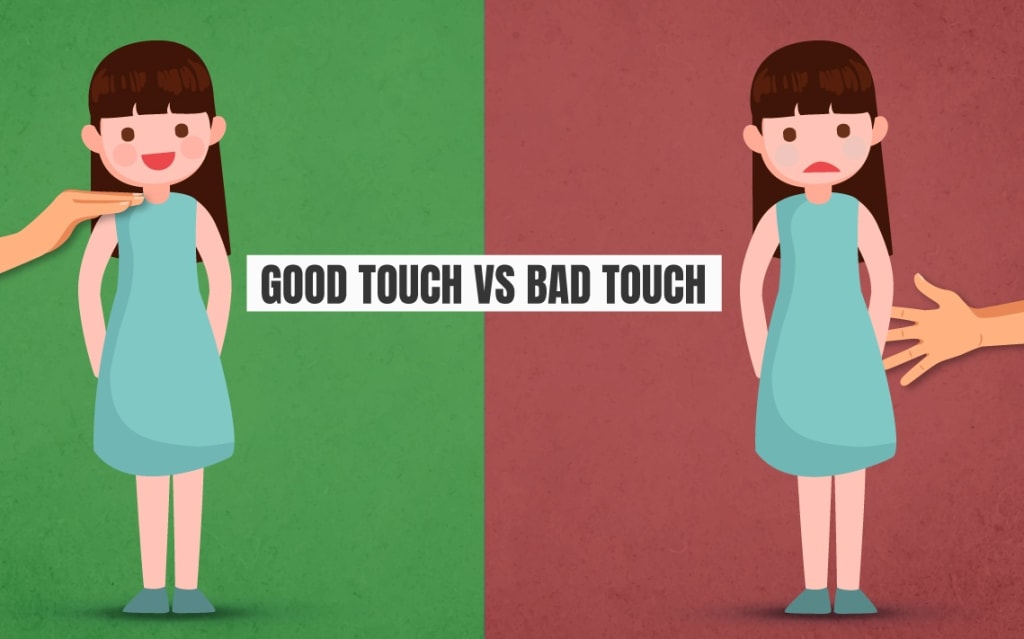
Good touch refers to physical contact that is appropriate, safe, and non-threatening, such as a hug from a loved one or a pat on the back from a teacher. It can convey positive emotions, such as love, care, and support, and can promote healthy relationships.
On the other hand, bad touch refers to any type of physical contact that is inappropriate, harmful, or unwanted, such as hitting, pushing, or sexual touching. It can cause discomfort, fear, and emotional distress, and can have long-lasting negative effects on a child's physical and psychological well-being.
It is important for parents and caregivers to educate children about good touch and bad touch, and to empower them to recognize and report any instances of inappropriate touching or behavior. This can help prevent child abuse and ensure that children feel safe and protected.
Here are six points to consider regarding good touch:
1.Good touch involves positive physical contact, such as a hug or a high-five, that makes a child feel comfortable and safe.
2.Good touch can help to build a child's confidence and self-esteem, and can help to develop positive relationships between the child and caregivers.
3.Good touch can also involve necessary physical contact, such as during a medical examination or when administering first aid.
4.It is important for caregivers to teach children about the difference between good touch and bad touch, and to encourage children to express their feelings about physical contact.
5.Encouraging good touch can help children to develop a healthy understanding of their own bodies and boundaries, which can help to prevent abuse or exploitation.
6.Good touch can be a critical part of a child's overall well-being and development, and it's important for parents and caregivers to foster an environment of safety, trust, and open communication with their children.
Here are six points to help identify bad touch for children:
1.Unwanted touch: If someone touches a child in a way that makes them feel uncomfortable or scared, it's a sign of bad touch. Children should be taught to trust their instincts and speak up if someone touches them in a way that feels wrong.
2.Secretive touch: If someone touches a child and tells them to keep it a secret, it's a red flag. Children should know that they can talk to their parents or another trusted adult about any type of touch that makes them feel uncomfortable.
3.Sexual touch: Any type of touch that is sexual in nature is not appropriate for a child. This includes touching a child's genitals, breasts, or buttocks. Children should be taught that no one should touch them in these areas, and that it is not their fault if someone does.
4.Aggressive touch: If someone touches a child in a way that is rough, hurtful, or scary, it's a sign of bad touch. This includes hitting, slapping, or shaking a child. Children should know that they have the right to be safe and that no one should hurt them.
5.Manipulative touch: If someone touches a child in a way that is meant to manipulate or control them, it's a sign of bad touch. For example, someone might touch a child to make them feel like they owe them something in return. Children should know that they have the right to say no to any type of touch that makes them uncomfortable.
6.Reporting bad touch to a trusted adult or authority figure is essential to protecting children from harm and preventing future incidents.
conclusion
By raising awareness about bad touch and educating children and adults about appropriate boundaries, we can help prevent abuse and ensure that everyone feels safe and respected. Remember, you have the right to set your own boundaries and to speak up if someone violates them.
About the Creator
Enjoyed the story? Support the Creator.
Subscribe for free to receive all their stories in your feed.
Comments
There are no comments for this story
Be the first to respond and start the conversation.