
Exploring the Wonderful World of Animals Through Educational Books
Why Wildlife Learning Helps Children Build Curiosity, Creativity, and a Love for Reading

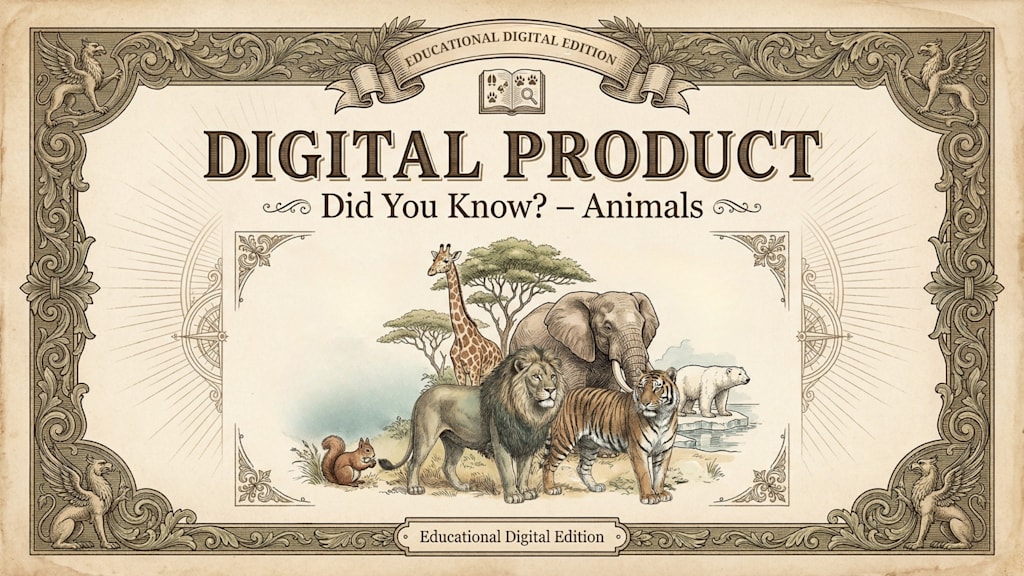
Children are naturally curious about the world around them. From the moment they see a lion at the zoo or watch birds flying across the sky, they begin asking questions about animals, nature, and how living creatures survive in different environments. This natural curiosity makes animal-themed educational books one of the most effective and enjoyable ways to help children learn while having fun.
Books that focus on wildlife and nature introduce children to fascinating information in a simple and engaging format. Instead of learning through complicated lessons, children can explore the animal kingdom through stories, facts, illustrations, and discovery-based reading experiences. Educational animal books continue to grow in popularity because they combine entertainment, science, creativity, and reading development in a way that feels exciting rather than overwhelming.
Many parents and teachers look for educational resources that encourage screen-free learning while still keeping children interested and motivated. Wildlife books are often an excellent solution because children are naturally drawn to animals of all kinds. Whether learning about giant elephants, powerful lions, playful dolphins, or colorful tropical birds, children enjoy discovering new facts about the creatures that share our planet.
One of the biggest advantages of educational animal books is their ability to improve reading habits in young learners. When children read about subjects they genuinely enjoy, they become more engaged and willing to spend time reading independently. This helps strengthen vocabulary, comprehension, and focus while also building confidence in reading skills.
Educational books about animals also support science learning in a very approachable way. Children can learn about habitats, diets, behavior patterns, life cycles, and ecosystems without feeling pressured by traditional academic methods. Simple explanations combined with visually engaging illustrations help young readers absorb information more naturally.
Nature and wildlife books are especially valuable for homeschool families and classroom learning environments. Teachers and parents often use animal fact books during science lessons, reading activities, and educational projects because they encourage participation and curiosity. Many children become inspired to ask more questions and continue researching animals on their own after reading educational wildlife content.
Visual learning also plays an important role in keeping children engaged. Books that include detailed illustrations and organized page layouts make learning feel interactive and memorable. Young readers often connect more deeply with educational material when it is supported by attractive visuals that help bring information to life.
Another important benefit of wildlife education is the way it encourages children to appreciate nature and animal conservation. Learning about endangered species, natural habitats, and ecosystems can help children develop empathy and awareness about protecting the environment. Educational books can introduce these ideas in gentle and age-appropriate ways that inspire curiosity rather than fear.
Animal-themed educational books are also useful because they appeal to many different types of learners. Some children enjoy reading facts and scientific information, while others connect more with visuals and creative exploration. Wildlife books combine multiple learning styles together, making them accessible and enjoyable for a wide range of ages and personalities.
For children between the ages of 6 and 12, educational books about animals can become an important part of independent learning and personal discovery. At this stage, children are often eager to explore topics that interest them while developing stronger reading and thinking skills. Books that encourage exploration and curiosity can help create positive learning experiences that continue long after childhood.
Parents searching for educational gifts often choose wildlife books because they provide both entertainment and meaningful learning value. Instead of passive screen time, children can enjoy discovering amazing facts about the natural world while improving focus, creativity, and reading comprehension.
Educational reading materials that combine science, nature, and engaging visuals continue to remain among the most popular choices for young readers. Wildlife learning introduces children to the diversity of life on Earth while encouraging imagination and exploration.
As children continue learning about animals from different regions of the world, they also begin to understand how connected nature truly is. Exploring forests, oceans, deserts, jungles, and savannas through educational books can inspire a deeper appreciation for wildlife and the environment around them.
Books that make learning enjoyable can leave a lasting impact on children. When curiosity is encouraged at an early age, children often grow into lifelong learners who continue exploring science, reading, and discovery throughout their lives. Educational wildlife books provide a simple but meaningful way to support that journey through fun, engaging, and memorable learning experiences.
About the Creator
Meshal Sprout
Author of fun & educational kids books | Inspiring creativity & imagination
Enjoyed the story? Support the Creator.
Subscribe for free to receive all their stories in your feed.
Comments
There are no comments for this story
Be the first to respond and start the conversation.