
Dot Tracing Fun: A Simple and Creative Way to Support Early Learning for Children
Why Tracing Activities Continue to Be One of the Best Educational Tools for Preschool and Kindergarten Kids

Parents and teachers are always searching for educational activities that are both useful and enjoyable for young children. In a world filled with screens and fast-paced digital entertainment, many families are returning to simple hands-on learning activities that encourage creativity, focus, and skill development. One of the most effective early learning methods is dot tracing activities.
Tracing books have become increasingly popular among preschool and kindergarten learners because they help children practice important developmental skills in a playful and stress-free way. Rather than feeling like homework, tracing activities often feel like a game or creative adventure for children. This makes young learners more excited to participate while naturally improving their coordination and confidence.
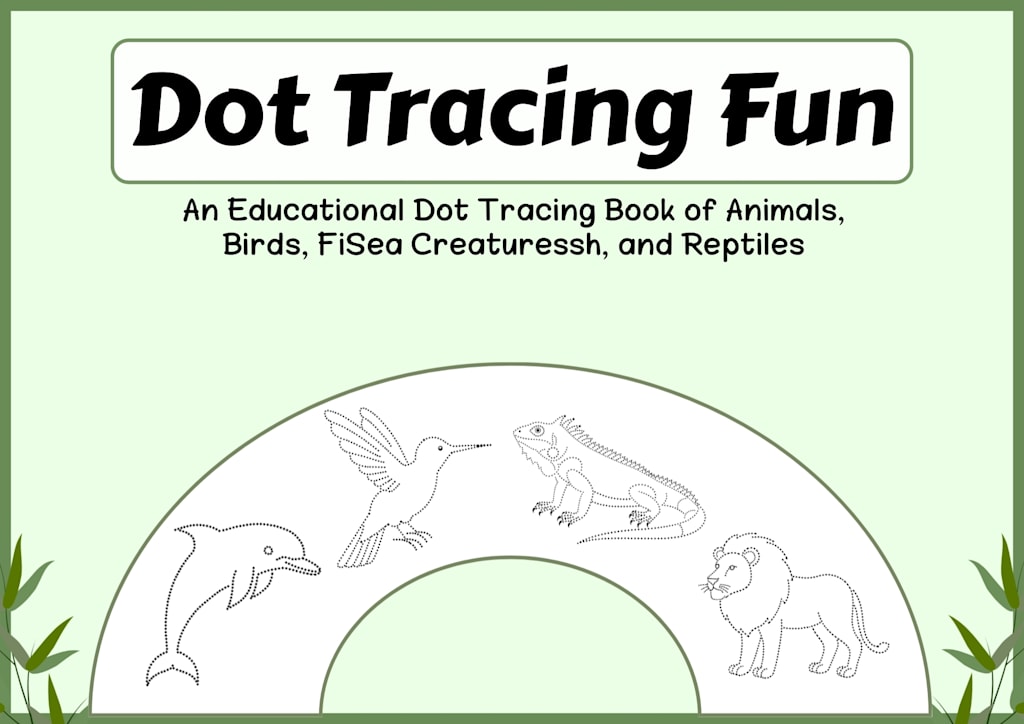
Dot Tracing Fun was designed with this idea in mind. The book introduces children to beginner-friendly tracing pages featuring cute animal illustrations that make learning more engaging and entertaining. From lions and dolphins to whales and birds, each page gives children an opportunity to practice tracing while exploring fun animal-themed activities.
One of the biggest benefits of tracing exercises is the development of fine motor skills. Fine motor control is essential for many daily tasks including writing, drawing, buttoning clothes, and holding small objects. Tracing dotted lines helps strengthen the small muscles in children’s hands and fingers while also improving pencil grip and movement control.
Hand-eye coordination is another important skill supported through tracing practice. As children follow dotted paths with their pencils, they learn how to guide hand movements carefully while visually focusing on shapes and directions. These exercises may appear simple, but they provide valuable preparation for future handwriting and classroom activities.
Educational experts often encourage early tracing practice because it helps children become more comfortable using pencils before they begin formal handwriting lessons. Young learners who build confidence early are often more willing to explore writing, drawing, and creative expression later on.
Another reason parents appreciate tracing activity books is the opportunity for screen-free learning. Many families are trying to balance technology use with hands-on educational experiences that encourage concentration and creativity. Printable tracing activities can provide calm and productive entertainment during quiet time, travel, classroom sessions, homeschooling routines, or rainy afternoons at home.
Children also enjoy the sense of accomplishment that tracing activities provide. Completing a page allows them to feel successful while encouraging independence and patience. Positive learning experiences at an early age can help create a stronger connection with education as children grow older.
Animal-themed educational activities are especially popular because they combine learning with imagination. Children naturally connect with friendly and recognizable animals, making the activity feel more exciting and interactive. A playful dolphin, a smiling lion, or a soaring eagle can turn a simple tracing page into an enjoyable adventure.
Books like Dot Tracing Fun aim to make learning accessible for beginners by keeping activities simple, clear, and visually engaging. Easy dotted paths, large tracing areas, and child-friendly illustrations help young learners practice comfortably without feeling overwhelmed.
Parents, teachers, and caregivers can also use tracing activities as opportunities for shared learning experiences. Sitting together to trace shapes and animals can encourage conversation, creativity, and bonding while helping children stay motivated and focused.
As educational trends continue to evolve, many educators still recognize the importance of foundational learning tools that encourage active participation rather than passive screen consumption. Tracing activities remain one of the most practical and enjoyable ways to support early childhood development.
Sometimes the simplest activities create the strongest learning experiences. A pencil, a dotted line, and a child’s imagination can become the beginning of creativity, confidence, and a lifelong love of learning.
About the Creator
Meshal Sprout
Author of fun & educational kids books | Inspiring creativity & imagination
Enjoyed the story? Support the Creator.
Subscribe for free to receive all their stories in your feed.
Comments
There are no comments for this story
Be the first to respond and start the conversation.