
Can Packaging Alone Replace Cereal Mascots in 2026?
Cereal Mascots

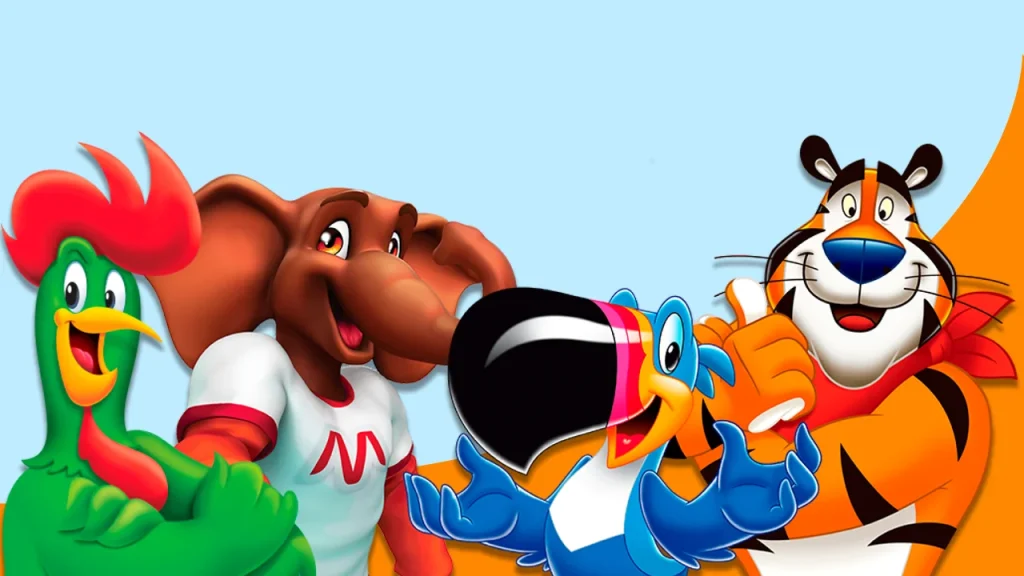
Tony the Tiger. Toucan Sam. Cap'n Crunch. These characters didn't just sell cereal; they became part of childhood memory, family routines, and cultural shorthand for an entire category of products. For decades, mascots were the engine behind cereal branding, doing the heavy lifting on shelves crowded with competing boxes. But something has shifted.
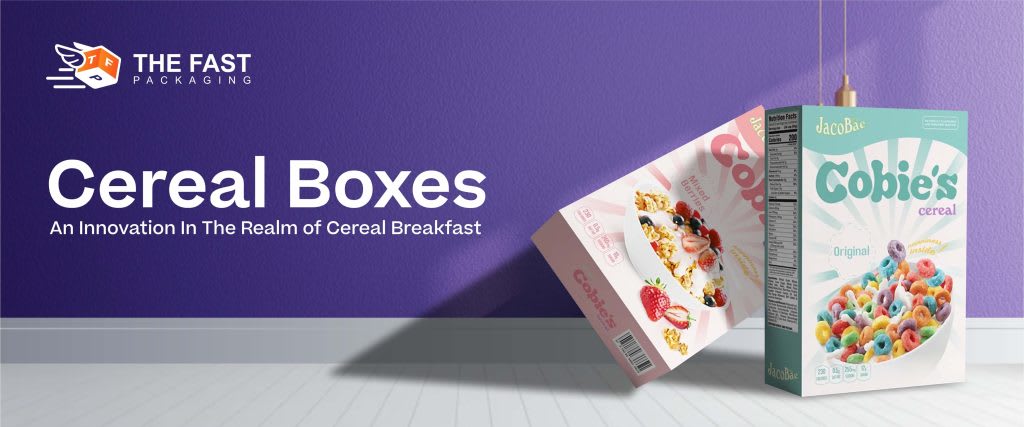
Walk through a grocery store today, and you'll notice more cereal boxes leaning on bold typography, clean design systems, and premium finishes rather than cartoon characters. Meanwhile, the same products are competing just as hard, sometimes harder, on Amazon listings, Instagram feeds, and mobile screens. Packaging has quietly evolved from a protective container into a full branding vehicle.
Which raises a genuinely interesting question: in 2026, does a cereal brand even need a mascot anymore? Or has packaging become powerful enough to carry that weight on its own? The honest answer is that no packaging can fully replace mascots. But it's gotten close enough that the conversation is worth having.
Why Mascots Worked So Well in the First Place
Cereal mascots weren't born out of creative whimsy. They were a strategic response to a real problem: how do you make a product instantly recognizable in a store where shoppers are making split-second decisions? Characters solved that problem beautifully. They created visual shortcuts. They built emotional familiarity across years, sometimes generations. They made a box of processed grain feel like something a kid would argue for in a grocery aisle. And they did all of this silently, from the shelf, without a single word of explanation needed. That's a hard thing to replicate with design alone.
What Packaging Can Do Now That It Couldn't Before
Here's where things get interesting. Packaging in 2026 isn't the same animal it was fifteen years ago. At The Fast Packaging, we've watched this evolution up close. Modern packaging is expected to function as a branding tool, a communication channel, a sustainability statement, and a customer experience all at once. A cereal box today isn't just competing with the product next to it on the shelf. It's competing on product listing pages, in unboxing videos, and in the two seconds someone spends glancing at a thumbnail on their phone. That context changes everything about how packaging needs to perform.
It Positions Before It Explains
A clean layout, distinctive color system, or premium material finish communicates something about a brand: healthy, artisan, family-friendly, and environmentally responsible before a shopper reads a single word. Mascots always had to earn that association over time. Strong packaging design can establish it immediately.
It Earns Attention Through Visual Discipline
Some of the most effective cereal packaging right now doesn't use character artwork at all. It uses color blocking, bold typography, and structural distinctiveness to own shelf space. Consumers are increasingly recognizing products through consistent packaging design rather than a recurring character.
It Carries More Information, And Makes It Feel Interesting.
QR codes linking to recipes. Sustainability certifications prominently displayed. Ingredient callouts with real personality. Packaging today has learned how to tell a story without needing a cartoon spokesperson to anchor it.
Where Mascots Still Hold Real Ground
That said, let's not overstate the case for packaging-first branding. Mascots still do something that even the most thoughtful packaging design struggles to match.
They Create Emotional Memory
Design can be striking and beautiful, but personality is harder to manufacture through typography and texture. A character that's been part of someone's breakfast routine since childhood has a different kind of grip on brand loyalty than a color palette does.
They Create Instant Recognition
Mascots act as visual shorthand that bypasses conscious thought. Consumers often identify a product by a character before they've registered any other packaging detail. That speed of recognition is genuinely valuable in cluttered retail environments.
They Speak To Families Without Trying
Character-driven packaging still outperforms in the family and children's segment and probably will for a long time. Kids respond to personalities, not design systems. A parent reaching for the customized cereal boxes their kid already loves isn't making a decision based on typography.
Why Brands Are Quietly Shifting Toward Packaging-First Thinking
Despite mascots' staying power, the trend line is clear. More brands, even in cereal, are building identity around packaging rather than around characters. A few reasons are driving this. Online retail reshaped the visual game. When your product appears as a small image on a screen, intricate mascot illustrations don't translate the way they do at full scale on a physical shelf. Clean, bold packaging structure reads better in digital formats.
Consumer tastes have also matured. Premium and health-focused brands discovered early that minimalist, design-forward packaging consistently outperforms character-heavy alternatives in their categories. That preference has spread. Shoppers across more segments now associate cleaner packaging with higher quality and greater trustworthiness.
And sustainability has entered the equation in a real way. Consumers aren't just noticing what's on packaging, they're noticing what it's made of. Brands that use their packaging to communicate environmental responsibility are building a different kind of brand loyalty, one that mascots alone can't generate.
The Strongest Brands Are Doing Both
Here's the thing, though: framing this as packaging versus mascots is probably the wrong lens entirely. The brands winning right now aren't choosing one over the other. They're using both intentionally. Strong packaging creates credibility and shelf presence. A great mascot creates memorability and emotional connection. When those two things are working in the same direction, the result is something more powerful than either could produce alone.
Packaging draws the eye. The character makes it stick. Structure improves the experience of holding and using the product. Design reinforces who the brand is every single time someone sees it. At The Fast Packaging, that's the approach we advocate for: don't let the character carry packaging that isn't doing its own job, and don't strip out personality just to chase a minimalist trend. The goal is packaging that works on every level visually, emotionally, and practically.
What This Actually Means for Cereal Brands
If you're thinking about a packaging strategy for a cereal brand in 2026, the takeaway isn't "drop the mascot" or "double down on the mascot." It's that your packaging needs to be strong enough to stand on its own because, in many contexts, it will have to. Digital shopping, smaller screen formats, and faster consumer decisions mean you can't rely on character recognition alone to drive purchasing behavior.
Your packaging structure, color system, typography, and material choices all need to be doing meaningful work. If a mascot supports that system and adds personality to something already built on solid design fundamentals, it's an asset. If the mascot is the only thing making the packaging interesting, that's a vulnerability worth addressing.
Final Thought
Packaging hasn't made cereal mascots obsolete, and it probably won't anytime soon. But it has raised the floor for what packaging needs to accomplish on its own. The brands that understand this aren't treating it as an either/or decision.
They're building packaging that earns attention through design and earns loyalty through character, and making sure both elements are genuinely pulling their weight. That balance is harder to get right than it looks. But when it works, it's what turns an ordinary cereal box into something people actually remember.
About the Creator
Davin Smith
Davin Smith is a marketing expert. He usually creates marketing strategies for this renowned platform. Moreover, his designation at a packaging firm is a senior marketing advisor.
Enjoyed the story? Support the Creator.
Subscribe for free to receive all their stories in your feed.
Comments
There are no comments for this story
Be the first to respond and start the conversation.