
Best Rabbit Hutches: What Actually Works for Real Homes (and Real Bunnies)
Simple, realistic tips for creating a better living space for your rabbit
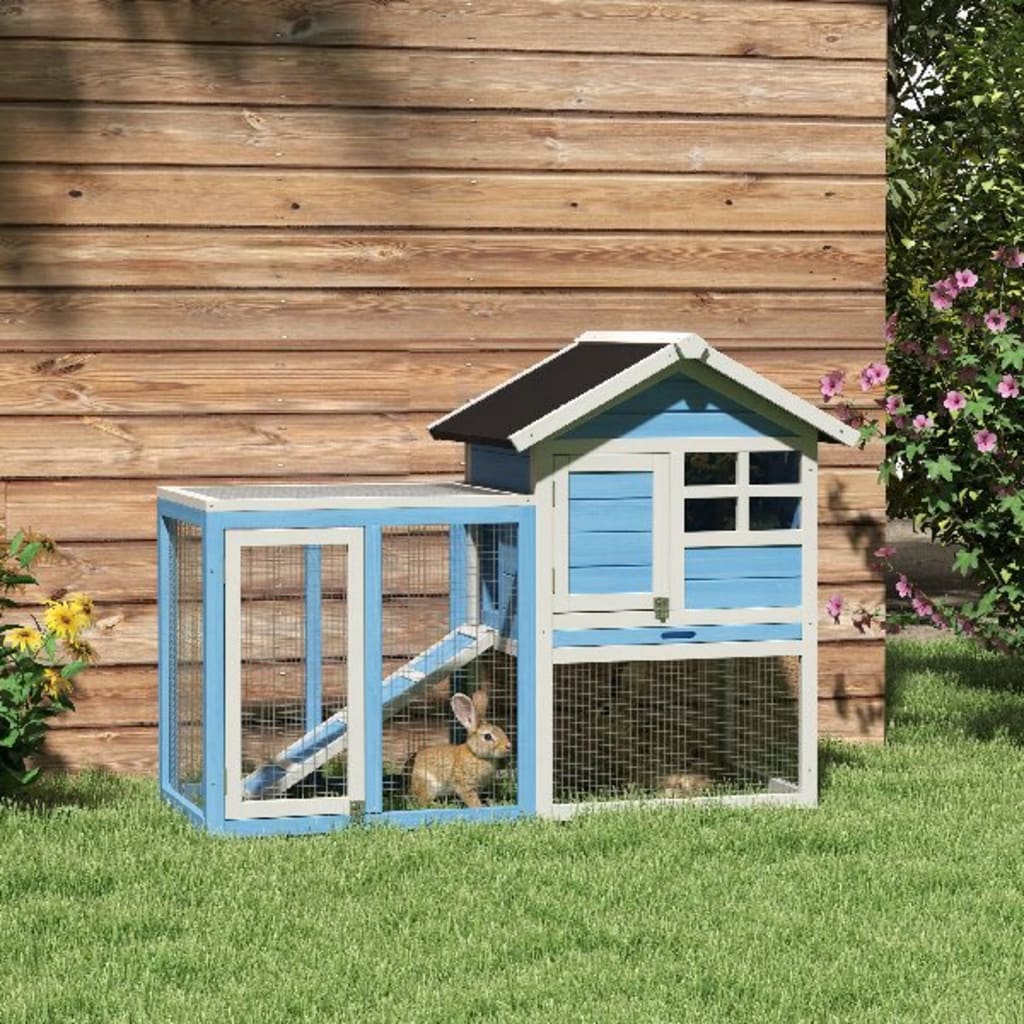
If you’ve ever searched for the best rabbit hutch, you’ve probably noticed how quickly things get overwhelming. Lists get longer, claims get bigger—but the advice doesn’t always get more helpful.
The truth is, rabbits don’t need the “best-rated” hutch. They need one that fits how they actually live: space to move, somewhere to hide, and a setup that stays clean without constant effort.
This guide keeps things grounded. No hype—just what tends to work in real homes, with a few practical hutch options to consider.
Why your rabbit’s hutch matters more than you think
Rabbits spend a lot of time in their enclosure—even if you let them roam regularly. That space affects:
- how active they are
- how clean they stay
- how stressed (or relaxed) they feel
A cramped or poorly designed hutch can lead to boredom, mess, and even health issues over time.
What actually makes a rabbit hutch “good”?
Space is not optional
Rabbits need room to stretch, stand upright, and hop. More space almost always leads to better behavior and less stress.
A split layout works better
The most practical hutches combine:
- an enclosed shelter
- an open run
This matches how rabbits naturally behave .
Cleaning should be easy
Pull-out trays and large doors make a big difference. Deep trays that don’t leak are especially useful over time.
Materials matter
Wood is common and safe, but some rabbits chew heavily. Reinforced frames or better finishes can extend the lifespan of the hutch .
Rabbit hutches that actually make sense
Here are a few real options that fit different needs. These aren’t “top picks”—just practical choices that align with the principles above.
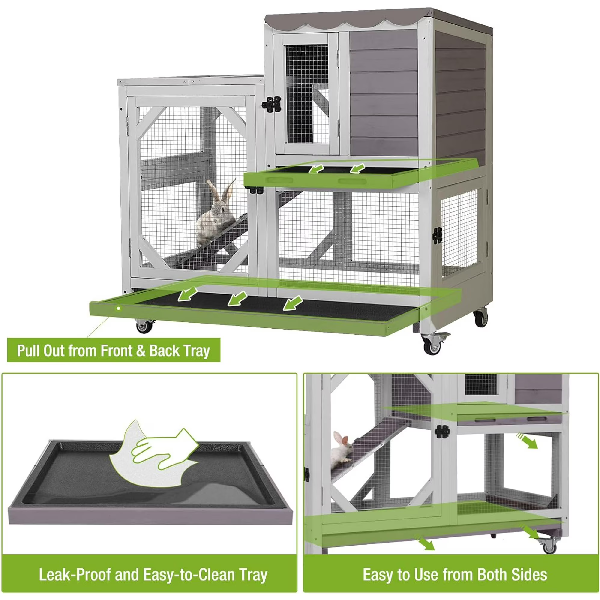
Aivituvin 2-Story Rabbit Hutch (flexible everyday option)
If you want something adaptable for indoor or light outdoor use:
Why it works:
- two levels for separation of space
- deep trays for easier cleaning
- wheels for mobility
It’s a good balance between usability and comfort for most homes.
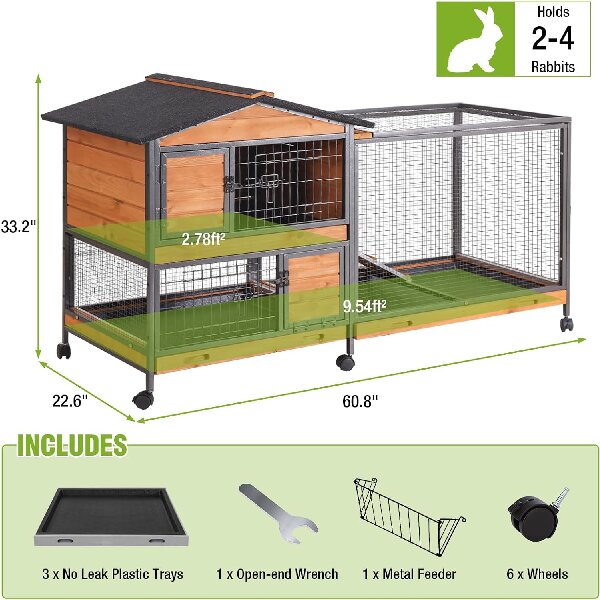
GUTINNEEN 2-Story Hutch (better for durability)
For rabbits that chew everything:
What stands out:
- stronger frame structure
- more resistant to chewing damage
- similar layout to standard hutches
This type of build is often chosen for long-term use.
PawHut 62" Rabbit Hutch with Run (classic outdoor setup)
If you prefer a traditional outdoor layout:
What makes it practical:
- enclosed sleeping space
- open run for movement
- multiple doors for access
This design gives rabbits both protection and room to explore.
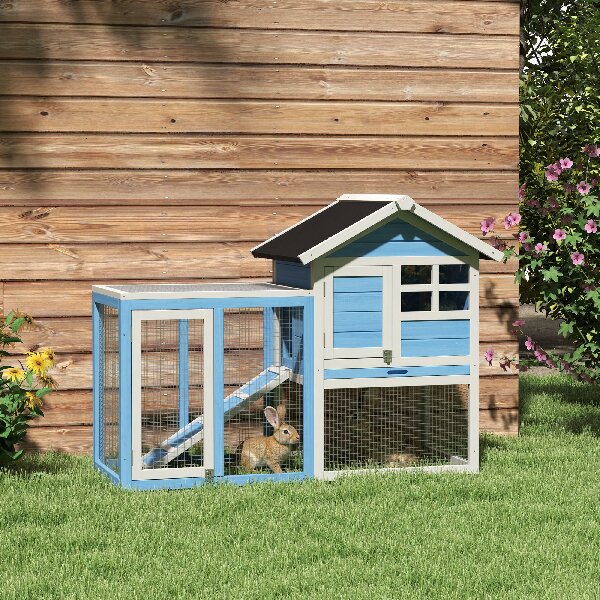
PawHut 48" Wooden Rabbit Hutch (compact option)
For smaller spaces or beginners:
What to expect:
- simpler layout
- manageable size
- easier setup
Just make sure your rabbit gets enough time outside the hutch each day.
Common mistakes to avoid
- choosing the smallest acceptable size
- ignoring cleaning difficulty
- focusing too much on appearance
- not matching the hutch to your rabbit’s behavior
Final thoughts
The best rabbit hutch isn’t about brand or rankings.
It’s the one that:
- gives your rabbit space
- fits your daily routine
- holds up over time
If you get those right, everything else becomes much easier.
FAQs
1. What type of cage is best for a rabbit?
A cage with enough space, airflow, and a sheltered area works best. Hutches with both a hiding space and an open section tend to be the most comfortable.
2. What is the 3-3-3 rule for bunnies?
- 3 days to decompress
- 3 weeks to feel safe
- 3 months to fully settle
3. What is the best way to clean a rabbit cage?
- spot clean daily
- wipe regularly
- deep clean weekly
Hutches with pull-out trays make this much easier.
This article was drafted with AI assistance and reviewed and edited by a human.
About the Creator
Enjoyed the story? Support the Creator.
Subscribe for free to receive all their stories in your feed.
Comments
There are no comments for this story
Be the first to respond and start the conversation.