
Best Chicken Coops for Beginners: What to Look For in a First Coop
Note mistakes to avoid, and how to choose a setup that makes daily chicken care easier—not harder
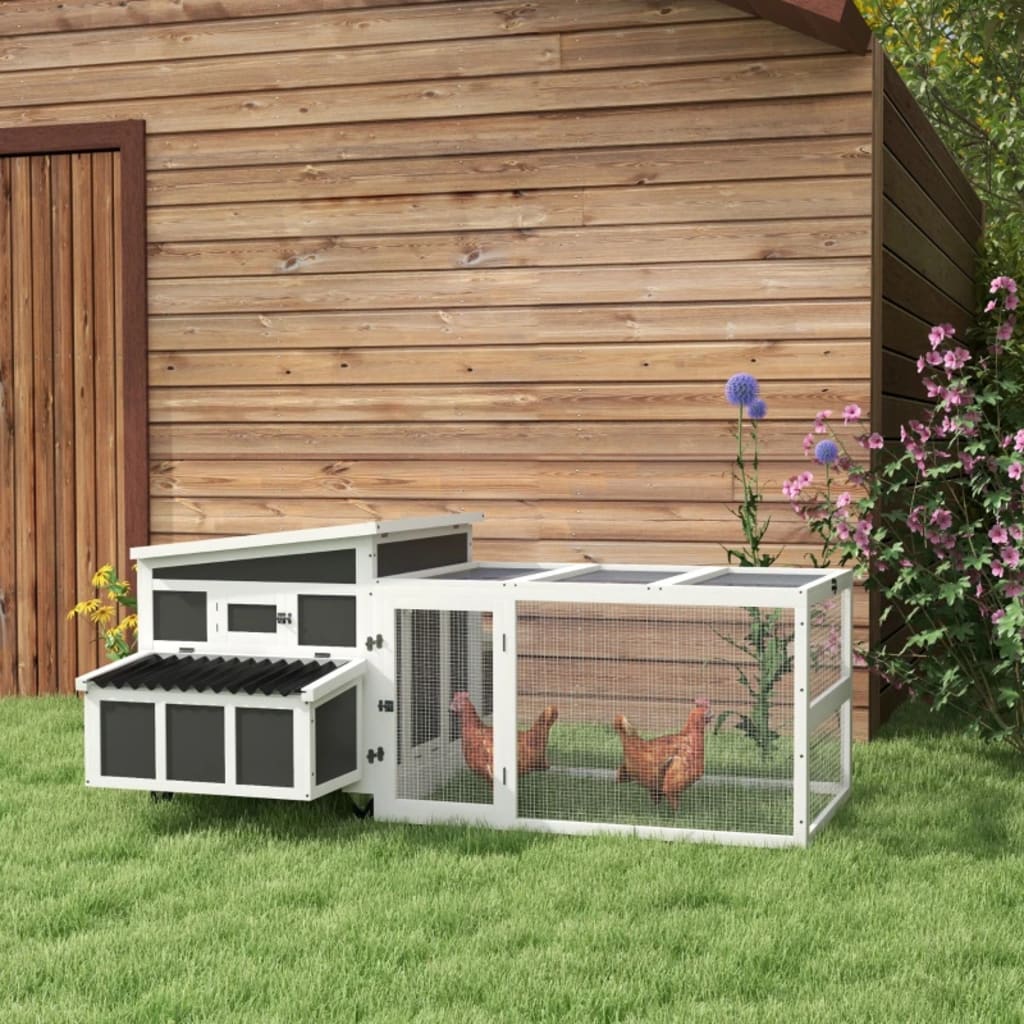
Disclosure: This article was drafted with AI assistance using ChatGPT and then reviewed, revised, and edited by a human author.
Starting a backyard flock sounds simple at first: pick a few hens, buy a coop, add feed and water, and wait for eggs. In practice, the coop shapes almost everything about the experience. It affects how safe your chickens are at night, how often you need to clean, how easy it is to collect eggs, how well your birds handle heat and damp weather, and how manageable the whole routine feels when the excitement of “getting chickens” turns into everyday care.
That is why the best chicken coops for beginners are usually not the most decorative ones or the cheapest ones. They are the ones that make daily life smoother. A good beginner coop should help you do the basics well: keep predators out, keep bedding drier, give hens enough room, and make routine cleaning realistic. If it is hard to open, awkward to reach into, too cramped, or not designed for your climate, even a small starter flock can become more work than expected.
Many new keepers also discover that beginner mistakes tend to repeat themselves. People often underestimate how much ventilation matters, overestimate the number of chickens a compact coop can really hold, or choose a cute-looking model without thinking about tray access, roof protection, or latch security. That is why it helps to treat the first coop not as a decorative backyard accessory, but as working animal housing.
What beginners should prioritize first
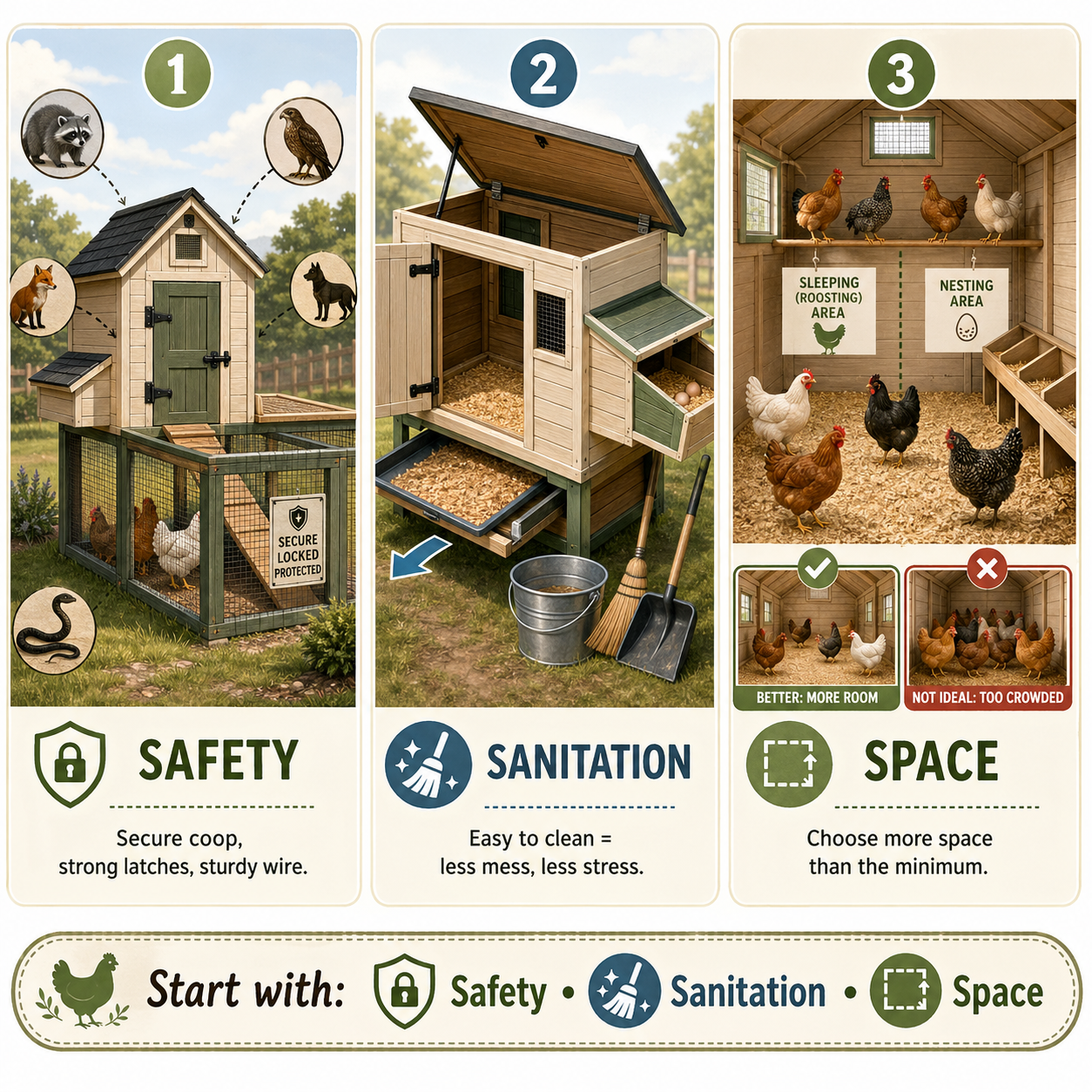
If you are new to chickens, the coop should solve three problems before it does anything else: safety, sanitation, and space.
Safety means more than a door that closes. Chickens are vulnerable to raccoons, foxes, stray dogs, hawks, snakes, and neighborhood predators you may not even think about until something happens. A beginner-friendly coop should have a secure structure, reliable doors, and latches that feel more substantial than a simple hook. If the run is exposed, wire quality and attachment points matter too.
Sanitation is where a lot of beginner frustration starts. A coop that cannot be cleaned easily becomes unpleasant very quickly. Bedding builds up, droppings collect under roosts, damp corners start to smell, and what should be a quick weekly task turns into an annoying half-day project. Pull-out trays, wide doors, openable roofs, and accessible nesting compartments are not luxury features for new keepers. They are practical features that make it more likely you will stay on top of the job.
Space is the third major factor. A coop can technically “fit” chickens and still be too small for healthy day-to-day use. Birds need room to roost, room to settle, and enough separation between sleeping and laying areas to keep the coop cleaner and calmer. For beginners, choosing slightly more space than you think you need is often smarter than trying to maximize bird count in a compact setup.
Why size matters more than many first-time buyers expect
One of the easiest ways to regret a first coop is to buy too small. This usually happens because product listings often sound more generous than real-life flock management feels. A coop described as suitable for four to six chickens may be technically usable at the higher end only under ideal conditions, with smaller breeds, excellent weather, and ample attached run space.
For most beginners, a smaller flock is easier to manage anyway. Four hens is often a very comfortable starting point for a household that wants eggs without overwhelming cleanup and feed routines. It also gives you time to learn flock behavior, health checks, predator habits, and cleaning rhythms before expanding.
A practical way to think about space is this:
- Small starter flock: 3–4 hens
- Comfortable beginner range: 4–6 hens
- Only go larger if: you already know you have enough yard space, enough time, and a coop that is genuinely built for it
If you think you may want more birds later, it is usually better to choose a coop with a little growth room rather than buying the smallest possible model and replacing it a season later.
The features that make a coop easier to live with
Some features do not sound very exciting until you have to use them every single day. Beginners usually benefit most from the features that reduce friction.
1. Pull-out trays or easy-access flooring
This is one of the most useful beginner features. If you can remove waste quickly and refresh bedding without crawling into a tight structure, you are much more likely to keep the coop cleaner on a regular schedule.
2. Nesting boxes with outside access
External nesting access makes egg collection easier and reduces how often you have to disturb the birds. It also makes quick daily checks feel less like a chore.
3. Roost bars that are easy to clean around
Chickens spend a lot of time roosting, and droppings tend to collect beneath those bars. A well-designed roost area makes that predictable and easier to manage.
4. Good airflow without making the coop drafty
Ventilation is not optional. Chickens tolerate cold better than many people expect, but they do not do well in damp, stale air. Good beginner coops allow air to move without turning the sleeping area into a wind tunnel.
5. A layout that separates resting, laying, and outside movement
The more clearly a coop organizes these functions, the easier it is to keep bedding cleaner and the calmer the birds usually are.
Wood, plastic, or metal: which makes the most sense?
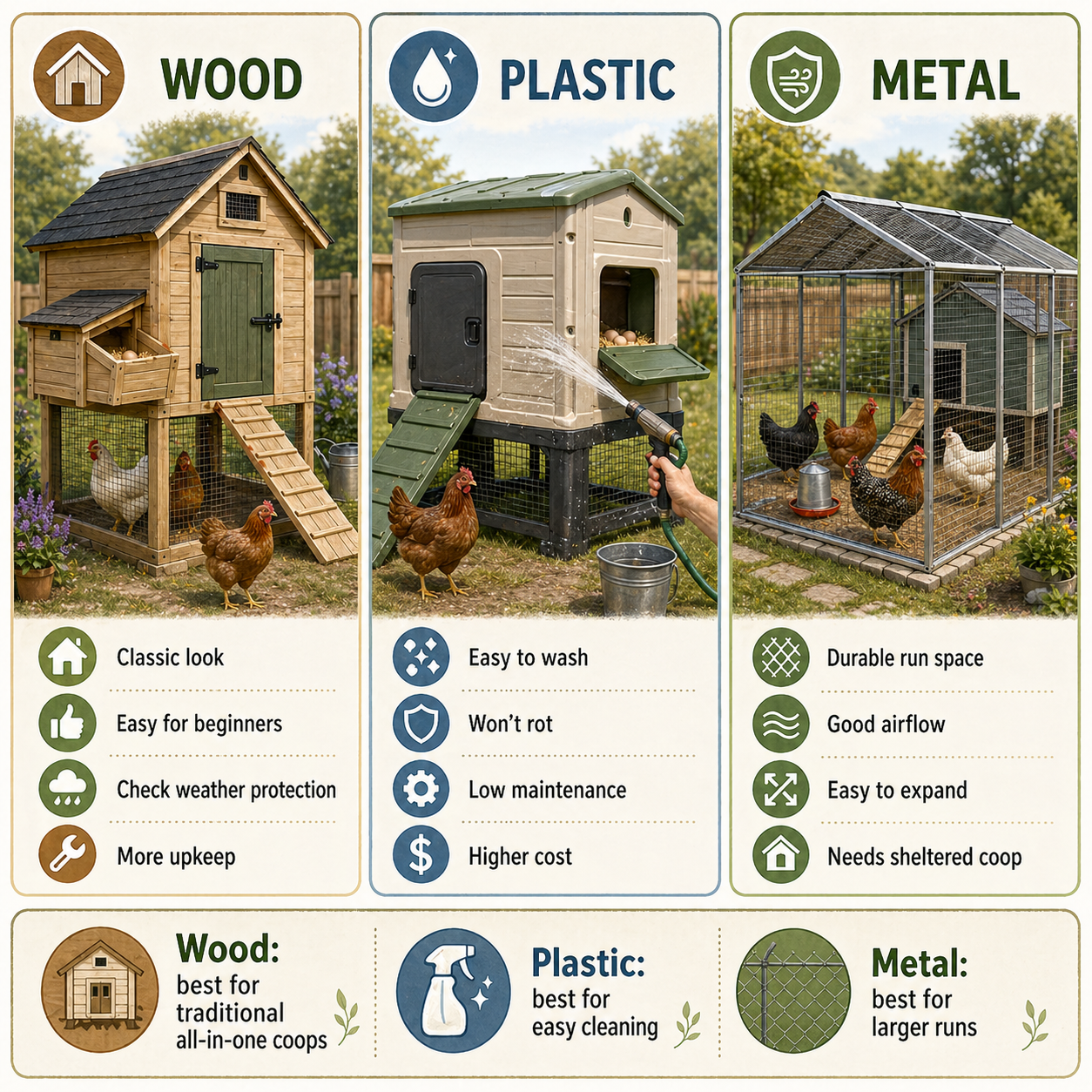
Different coop materials suit different kinds of beginners.
Wooden coops
Wooden coops are still the most familiar option and often the easiest style for beginners to understand. They usually come with integrated nesting boxes, ramps, enclosed sleeping quarters, and a more traditional backyard look. They can work well for people who want a defined henhouse rather than just a run enclosure.
The downside is that wood quality varies a lot. Lower-end wood can absorb moisture, weather unevenly, or require more upkeep than first-time owners expect. That does not mean wooden coops are a bad choice; it means beginners should pay closer attention to weather protection, roof design, and whether the structure looks substantial enough for year-round use.
Plastic coops
Plastic coops appeal to beginners because they are easy to wash, do not rot, and often feel lower maintenance. For busy households, that ease of cleaning can be a real advantage. They also tend to dry out more quickly after washing.
Their main tradeoffs are appearance, cost, and scale. Some people simply prefer the look of wood in a backyard. Others find that plastic models are practical but expensive for the capacity.
Metal coops and metal runs
Metal structures are often most useful when airflow, expansion, or predator-resistant run space is the priority. They can make sense if you want a larger enclosure footprint or plan to pair a protected shelter area with more open movement space.
For a beginner, metal-heavy setups can be a good fit when the main goal is durable run space rather than a compact all-in-one coop. But they usually work best when paired with a weather-protected shelter or roosting area.
Four product examples beginners can compare
These are not the only good choices on the market, but they help illustrate the types of setups that suit different beginner situations.
1. For a practical all-in-one wooden starter setup
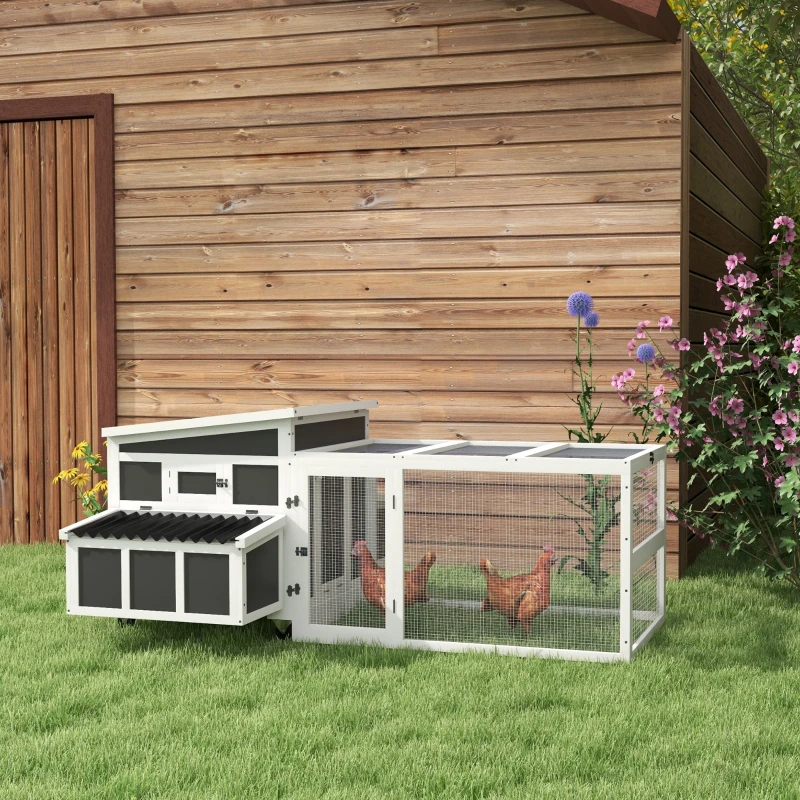
PawHut Wooden Chicken Coop for 6 Chickens, Dark Gray
This PawHut model is a useful beginner example because it includes several of the features first-time keepers usually need in one structure: nesting box, run, perches, ramp, windows, and a pull-out tray. That makes it easier to understand what a beginner-focused layout looks like in practice.
For someone starting with a small flock and wanting a more traditional chicken-coop format, this kind of design is easy to visualize and easier to compare against other wooden options.
2. For beginners who want a larger, more substantial coop

OverEZ is often mentioned when beginners want something that feels more like a real building than a light starter box. It is not the entry-level budget choice, but it illustrates what a sturdier, more long-term coop can look like for buyers who want fewer compromises in weather resistance and structure.
3. For low-maintenance cleaning and modern design
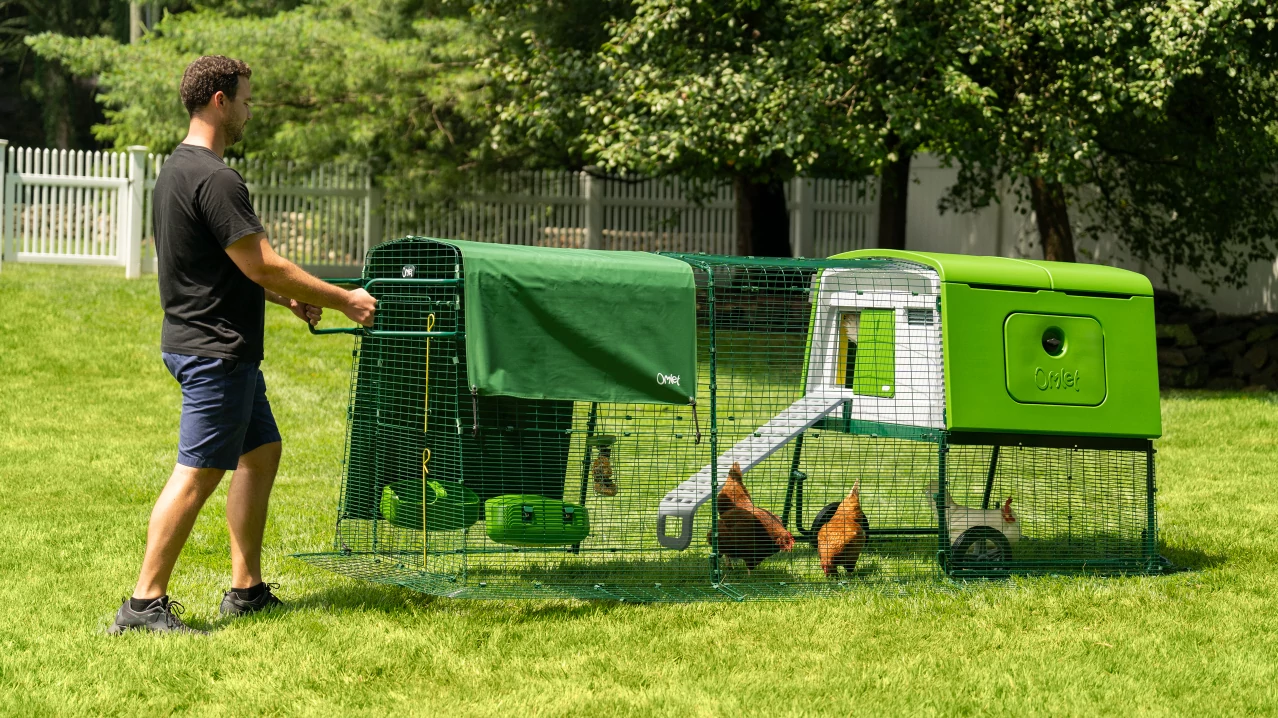
The Eglu Cube is useful to compare because it represents a very different beginner path: easier washing, smooth surfaces, and a more modern design philosophy. It appeals most to people who value convenience and are willing to trade the classic wooden-coop look for easier cleanup and lower day-to-day fuss.
4. For a compact beginner footprint
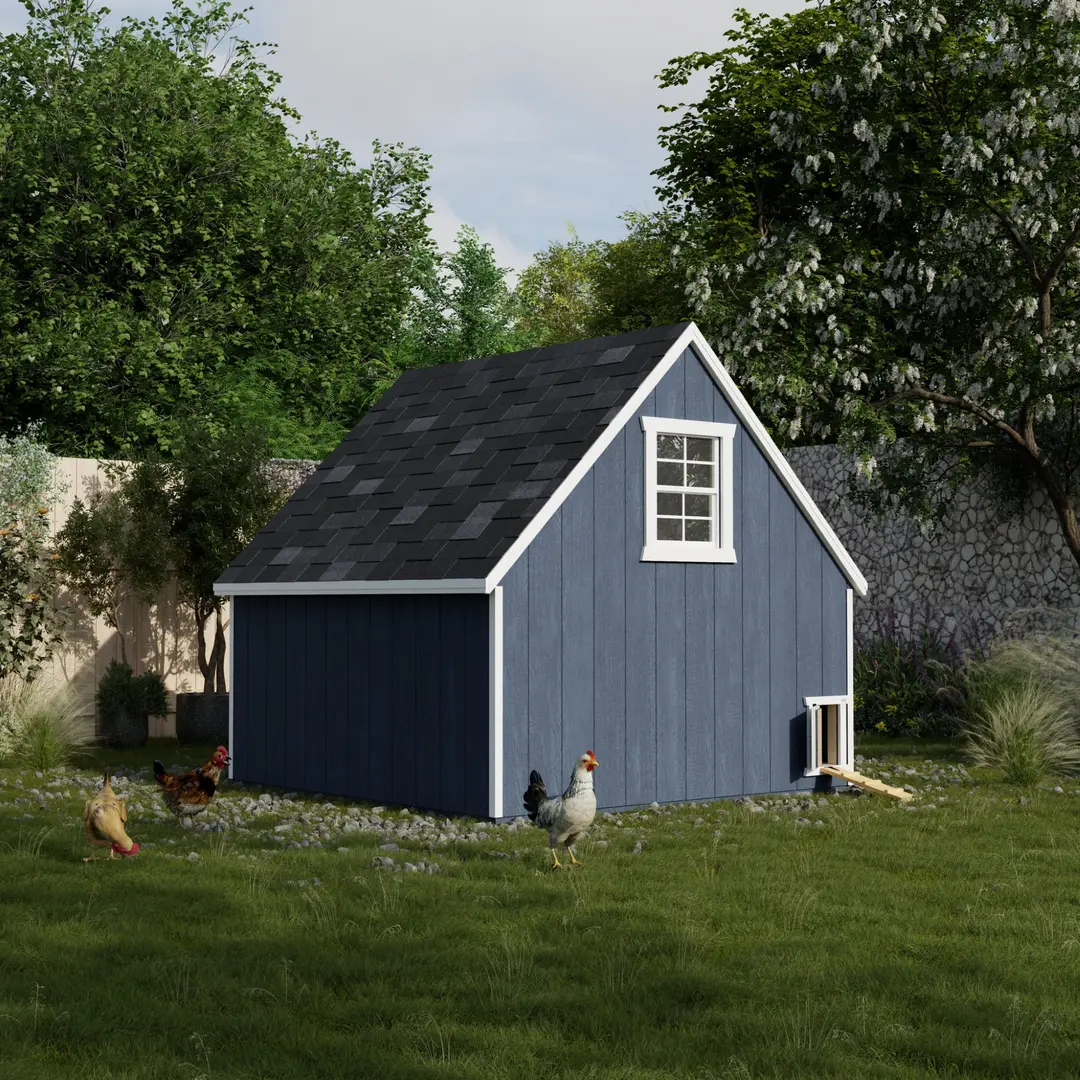
A-frame coops are still relevant for new keepers who want a smaller footprint and a simpler layout. This type of setup can be easier to place in a smaller yard and may suit a modest starter flock better than a large walk-in design.
A simple way to compare coops before buying
If product listings start to blur together, use this checklist instead of comparing only by photos or price.
Ask:
- Can I clean it quickly every week?
- Can I reach the nesting area without hassle?
- Does the structure look secure enough for my local predator pressure?
- Will this still work if I add one or two more hens later?
- Is the material realistic for my weather?
- Would I still be happy opening and maintaining this coop six months from now?
That last question matters more than it seems. A beginner coop should not just be survivable. It should be manageable.
Mistakes new chicken keepers make with coops
There are a few patterns that show up again and again.
Buying for appearance first
A charming design matters less if it is difficult to clean or too cramped for the flock.
Believing the maximum advertised capacity
Beginners are usually happier when they size down the bird count and size up the coop.
Ignoring climate
A coop that works in a dry, mild climate may feel very different in a wet or hot one.
Underestimating cleaning access
If daily and weekly care feels annoying, the whole experience gets harder very quickly.
Thinking the run does not matter
The coop is only one part of the setup. Outdoor movement space plays a major role in flock comfort, sanitation, and stress reduction.
What makes a coop beginner-friendly in the long run
The best beginner coop is not always the one that seems easiest on day one. It is the one that still feels workable after rain, after bedding changes, after a heat wave, after your birds start laying regularly, and after you realize you will be opening and closing this structure hundreds of times a year.
That is why the best coops for beginners tend to have a few things in common. They reduce unnecessary effort. They make cleaning straightforward. They allow better airflow. They provide protected laying space. And they leave a little room for a beginner to learn and adjust.
A coop should support the routine, not constantly complicate it.
If you are choosing your first coop, do not worry too much about finding the “perfect” one. Focus instead on finding one that is safe, roomy enough, practical to clean, and suited to your flock size and weather. Beginners usually do better with a coop that feels slightly simpler and slightly more spacious than one that tries to maximize birds in a compact footprint.
A good first coop does not just house chickens. It makes chicken keeping easier to learn.
FAQs
1. What is the 90/10 rule for chicken?
The 90/10 rule means that around 90% of a chicken’s diet should come from a complete, balanced feed, while treats and extras should stay at 10% or less. It is a useful reminder because beginners often overdo kitchen scraps or scratch grains, which can dilute the nutrients hens need from a proper feed.
2. Why put coffee grounds in a chicken coop?
In most cases, it is better not to add coffee grounds where chickens can peck at them. Some people use spent grounds in compost, but chickens should not consume caffeine-containing material. If odor control or litter improvement is the goal, there are safer bedding and composting approaches.
3. What is the best thing to use to clean a chicken coop?
The most effective approach is usually simple: remove bedding and droppings first, then scrub with soap or detergent and water, rinse, and let the coop dry fully. If you need to disinfect, do that only after the coop is visibly clean.
About the Creator
Enjoyed the story? Support the Creator.
Subscribe for free to receive all their stories in your feed.
Comments
There are no comments for this story
Be the first to respond and start the conversation.