
Zero Security Vulnerabilities of VPNs Are Solved by Zero-Trust Network Access?
Here is the answer to the topic.
Introduction
Virtual Private Networks (VPNs) have long been a staple of enterprise security, providing encrypted tunnels for remote users to access corporate resources. However, as cyber threats evolve and IT environments become more complex, VPNs have revealed significant security vulnerabilities. These weaknesses expose organizations to data breaches, unauthorized access, and insider threats.
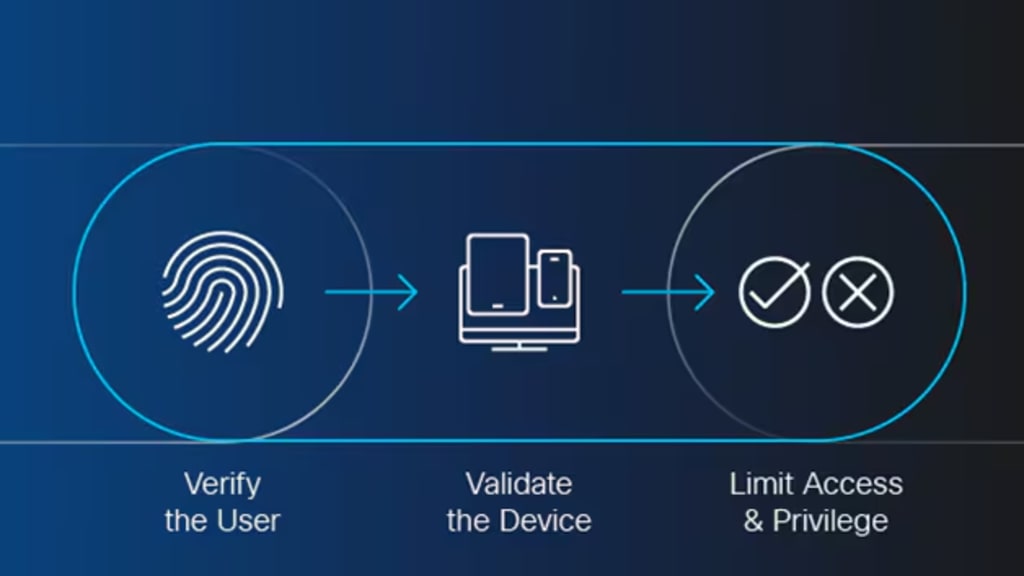
Zero-Trust Network Access (ZTNA) has emerged as a modern alternative to VPNs, addressing their inherent security flaws by implementing granular access controls, continuous authentication, and a "never trust, always verify" approach.
This article explores the key security vulnerabilities of VPNs and how ZTNA mitigates them.
1. Overly Broad Network Access
VPN Vulnerability:
Traditional VPNs provide users with full network access once they are authenticated. This means that if an attacker compromises a VPN credential, they can move laterally across the entire corporate network, accessing sensitive data and resources they were never meant to reach.
ZTNA Solution:
ZTNA enforces least-privilege access, meaning users are granted only the specific permissions necessary for their role. Instead of network-wide access, ZTNA ensures users can only connect to authorized applications and resources, reducing the attack surface significantly.
2. Lack of Granular Access Control
VPN Vulnerability:
VPNs generally operate on an all-or-nothing access model, meaning once a user is authenticated, they have extensive access to corporate systems. There is no fine-grained control over which resources users can access based on their identity, role, or context.
ZTNA Solution:
ZTNA provides granular access controls based on factors such as user identity, device posture, location, and risk level. Policies can dynamically adjust in real time, ensuring users only access the resources necessary for their job while preventing unauthorized access.
3. Weak Authentication Mechanisms
VPN Vulnerability:
Many VPN implementations rely solely on passwords for authentication, making them vulnerable to credential theft, brute force attacks, and phishing scams. Additionally, once authenticated, VPN sessions often remain active for extended periods without re-authentication.
ZTNA Solution:
ZTNA enforces strong authentication mechanisms, including Multi-Factor Authentication (MFA), biometric verification, and continuous identity verification. Unlike VPNs, ZTNA continuously assesses user behavior and re-validates sessions to prevent unauthorized access.
4. Susceptibility to Credential Theft and Phishing Attacks
VPN Vulnerability:
VPN credentials are frequently targeted by cybercriminals through phishing campaigns and malware. Once stolen, these credentials grant attackers full network access, enabling them to move undetected.
ZTNA Solution:
ZTNA minimizes credential theft risks by requiring step-up authentication and adaptive access policies. Since ZTNA does not rely on static passwords alone, stolen credentials alone are insufficient to gain access.
5. Poor Visibility and Monitoring
VPN Vulnerability:
Traditional VPNs offer limited visibility into user activity once they are connected. This lack of real-time monitoring makes it challenging for security teams to detect malicious activity, insider threats, or compromised accounts.
ZTNA Solution:
ZTNA solutions continuously monitor and log user activity, providing real-time analytics and anomaly detection. This allows security teams to quickly identify and respond to suspicious behavior, enhancing threat detection and response capabilities.
6. Inefficiency and Performance Issues
VPN Vulnerability:
VPNs route all traffic through centralized gateways, often leading to network congestion and latency issues. This negatively impacts user experience, especially for remote workers accessing cloud-based applications.
ZTNA Solution:
ZTNA uses direct, cloud-based access to applications without routing traffic through a central VPN server. This enhances performance, reduces latency, and improves the user experience while maintaining strong security controls.
7. Inability to Secure BYOD and Unmanaged Devices
VPN Vulnerability:
VPNs often struggle to secure Bring Your Own Device (BYOD) environments, as they lack the ability to enforce security posture assessments. Employees using personal or unmanaged devices to access the corporate network pose a significant security risk.
ZTNA Solution:
ZTNA assesses device posture before granting access, ensuring that only compliant and secure devices can connect. If a device does not meet security requirements, access is denied or restricted, reducing the risk of malware infections and data breaches.
8. VPN Infrastructure as an Attack Target
VPN Vulnerability:
VPN gateways are often targeted by cybercriminals for Distributed Denial-of-Service (DDoS) attacks, exploits, and zero-day vulnerabilities. A compromised VPN server can lead to complete network breaches.
ZTNA Solution:
ZTNA reduces reliance on centralized infrastructure by leveraging cloud-based architectures and software-defined perimeters (SDP). This eliminates single points of failure and makes it harder for attackers to exploit network entry points.
9. Compliance and Regulatory Challenges
VPN Vulnerability:
Many regulatory frameworks, such as GDPR, HIPAA, and NIST, require stringent access control and monitoring mechanisms. VPNs often lack the necessary security controls to ensure compliance, putting organizations at risk of regulatory fines.
ZTNA Solution:
ZTNA aligns with compliance requirements by enforcing strict access policies, continuous monitoring, and audit logging. Organizations can demonstrate adherence to security regulations more effectively with ZTNA’s built-in security controls.
Conclusion
While VPNs have been a foundational tool for secure remote access, they are increasingly inadequate in today’s evolving threat landscape. VPN vulnerabilities, including excessive network access, weak authentication, credential theft risks, and performance limitations, create significant security challenges for organizations.
Zero-Trust Network Access (ZTNA) offers a superior alternative by implementing strict access controls, continuous authentication, and real-time monitoring. By shifting from a trust-based VPN model to a Zero-Trust approach, organizations can significantly enhance their security posture, mitigate cyber threats, and ensure compliance with regulatory requirements.
As cyber threats continue to evolve, organizations must adopt ZTNA to stay ahead of attackers and safeguard their critical assets in a highly interconnected digital world.
About the Creator
Enjoyed the story? Support the Creator.
Subscribe for free to receive all their stories in your feed.
Comments
There are no comments for this story
Be the first to respond and start the conversation.