
Your Guide to Securing a Student Visa for Canada
Student Visa for Canada


Dreaming of studying in Canada? You’re not alone! With world-class universities, diverse cultures, and plenty of opportunities for personal and professional growth, Canada is a top destination for students worldwide. But before you pack your bags and book your flight, there’s one crucial step to tackle first: securing your student visa for Canada. Without this, your study abroad journey won’t even get off the ground.
In this guide, we’ll walk you through the essential steps to obtaining a student visa for Canada, often referred to as a study permit. We’ll also cover key tips to make your application smoother and faster. So, let’s dive right in!

1. Understanding the Canada Student Visa (Study Permit)
Before we get into the nuts and bolts of applying for a student visa for Canada, it’s important to understand what it is and why you need it.
A study permit allows international students to study at designated learning institutions (DLIs) in Canada. Once you’re accepted into a Canadian educational institution, you can apply for this permit, which acts as your visa for the duration of your stay in the country.
Do keep in mind that while a study permit lets you study, it doesn't automatically grant you the right to enter Canada. You might also need a temporary resident visa (TRV) or an electronic travel authorization (eTA), depending on your country of origin. Thankfully, if you're approved for a study permit, you’ll automatically receive either of these documents as part of the process.
2. Do You Qualify for a Student Visa in Canada?
Before you start your application, it’s crucial to ensure you meet all the requirements for a student visa in Canada. Here’s what you need to qualify:
Acceptance letter: You must first receive an official acceptance letter from a designated learning institution (DLI) in Canada.
Proof of sufficient funds: You need to show that you have enough financial resources to pay for tuition, living expenses, and return transportation. As of now, you’re expected to have at least CAD 10,000 (or more if you’re bringing family members) on top of your tuition fees.
Clean criminal record: You might be asked to submit a police certificate as proof of your good standing.
Good health: In some cases, you may be required to complete a medical exam to confirm that you are in good health.
Intention to leave: While a study permit allows you to stay in Canada during your studies, you must demonstrate that you’ll leave the country when your permit expires.
3. Step-by-Step Guide to Applying for a Student Visa for Canada
Securing your student visa for Canada isn’t a complicated process, but you do need to follow each step carefully to avoid any hiccups. Here’s a step-by-step breakdown of the process:
Step 1: Get Accepted by a Canadian Institution
The first step in your overseas education journey is to apply and get accepted into a Designated Learning Institution (DLI) in Canada. These are schools that are approved by the provincial or territorial government to host international students. Once accepted, your school will send you an official acceptance letter, which is required for your visa application.
Step 2: Gather the Necessary Documents
To apply for a student visa in Canada, you’ll need a list of important documents. These include:
Your letter of acceptance from a DLI.
Proof of financial support (bank statements, scholarships, or sponsorships).
Passport or travel documents (ensure your passport is valid for the duration of your studies).
Recent passport-sized photographs.
Proof of a clean criminal record (police certificate).
Medical exam results, if required.
A statement of purpose or letter explaining why you want to study in Canada and how the program aligns with your future goals. Make sure all your documents are complete and up-to-date to avoid delays in your application.
Step 3: Submit Your Application Online
Most students submit their student visa for Canada applications online via the Government of Canada’s official website. If you're unable to apply online, you can submit a paper application through a visa application centre (VAC) in your country.
Here’s how you can apply online:
Create a Government of Canada account (GC Key) and log in to the IRCC (Immigration, Refugees, and Citizenship Canada) portal.
Fill out the study permit application form.
Upload your supporting documents.
Pay the application fee (CAD 150) and biometric fee if required (CAD 85).
Submit your application.
Once your application is submitted, you may be asked to provide additional information or documents.
Step 4: Provide Biometrics (If Required)
If you’re applying for a student visa for Canada, you might need to give biometrics, which includes your fingerprints and a photo. You’ll receive instructions on how and where to submit them after submitting your application.
Don’t delay this step—providing your biometrics quickly can speed up the processing time for your visa.
Step 5: Wait for the Decision
After submitting your application and biometrics, it’s time to play the waiting game. Processing times for study abroad visas can vary, but on average, it takes between 4-6 weeks. Keep an eye on your email for updates and any additional requests from the IRCC.
If your student visa for Canada is approved, you’ll receive a Port of Entry (POE) Letter of Introduction, which you’ll present to the border officials when you arrive in Canada. At the border, you'll be issued your study permit.
4. Tips for a Successful Visa Application Securing your student visa for Canada can be straightforward, but there are a few key things to keep in mind to ensure your application goes smoothly:
Apply early: Visa processing times can vary, and delays happen. It’s recommended to apply for your study permit as soon as you receive your acceptance letter—ideally 3-4 months before your course starts.
Double-check your documents: Missing or incomplete documents are a common reason for delays. Make sure everything is in order before you submit your application.
Be honest: Whether it’s about your financial situation, your health, or your study plans, always be truthful in your application. Providing false information can result in your application being denied or your visa being revoked later on.
Prepare for your arrival: Once you’ve secured your student visa for Canada, get ready for your adventure! Look into accommodation options, health insurance, and make sure to understand any quarantine or travel restrictions that may be in place.
5. What Happens After You Get Your Student Visa?
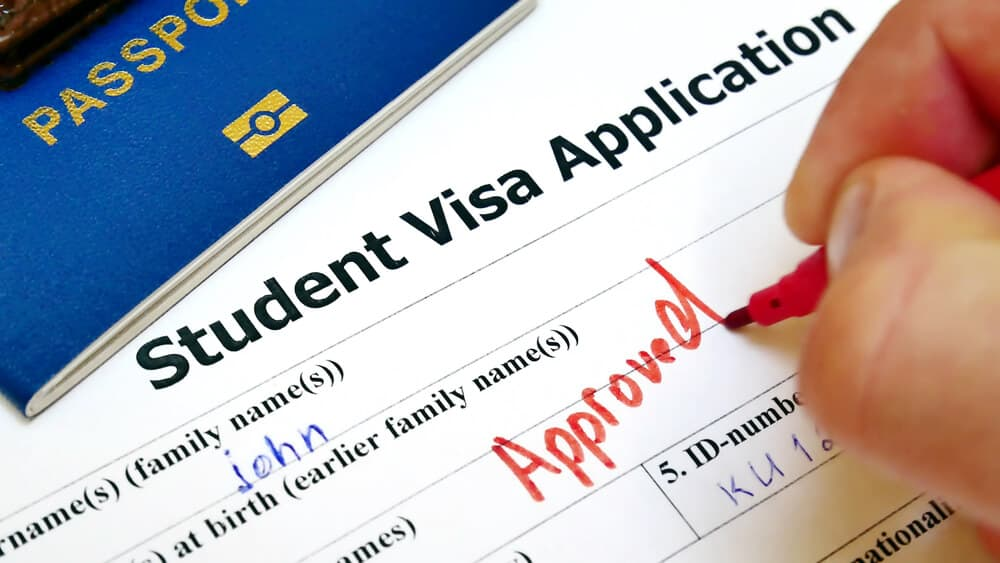
Congratulations! You’ve secured your student visa for Canada and are all set to embark on your overseas education journey. But what happens after you arrive in Canada?
Your student visa for Canada allows you to stay in the country for the duration of your study program, with some added perks:
Work while you study: International students in Canada are allowed to work part-time (up to 20 hours per week) during the school term and full-time during holidays, without needing a separate work permit.
Post-graduation opportunities: After you graduate, you may be eligible for a Post-Graduation Work Permit (PGWP), allowing you to stay in Canada and work for up to three years. This is an excellent opportunity to gain valuable work experience and potentially apply for permanent residency if you wish to make Canada your long-term home.
Conclusion
Securing a student visa for Canada is the gateway to unlocking a world of opportunities. From gaining a top-tier education to experiencing life in a diverse and inclusive country, Canada offers so much to international students. By following the steps outlined in this guide, you’ll be well on your way to achieving your dream of overseas education in Canada.
Are you ready to take the leap and begin your study abroad journey in one of the most welcoming countries in the world? The adventure starts with your student visa—good luck!
About the Creator
sridevi
Hi , I'm Sridevi a paasionate blogger who helps students explore opportunities to study abroad . https://www.msmunify.com/
Enjoyed the story? Support the Creator.
Subscribe for free to receive all their stories in your feed.
Comments
There are no comments for this story
Be the first to respond and start the conversation.