
Your Complete Guide to Obtaining a Student Visa for the USA
Learn the steps to secure a student visa USA, from choosing top universities to selecting courses and understanding the key intake periods.

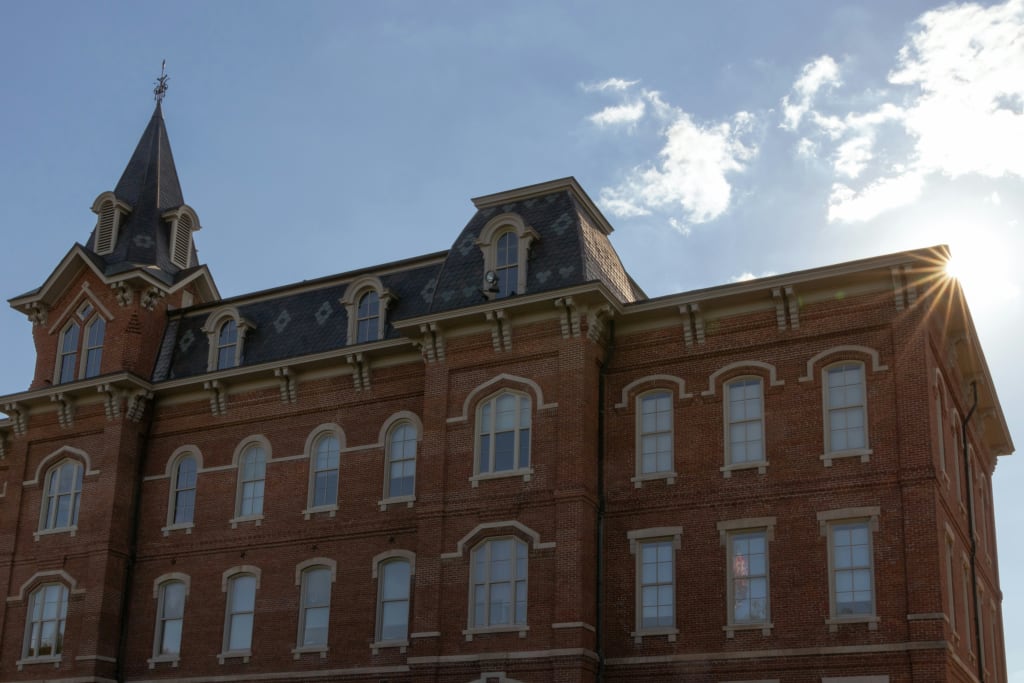
Studying in the United States opens up opportunities for academic growth, career advancement, and cultural experiences. However, the first step in realizing this dream is securing a student visa USA. With the right guidance, you can easily navigate the visa application process and move closer to your academic goals. This guide will walk you through the essential steps of obtaining a student visa, including choosing the right university, understanding intake periods, and ensuring that you are fully prepared for your visa application.
Types of Student Visas in the USA
Before applying for a student visa, it’s important to understand the types available. The most common student visa for international students is the F-1 visa, but there are other options depending on the program you're applying for.
Common Student Visas
• F-1 Visa: This visa is intended for students who wish to pursue academic programs in the USA at accredited institutions.
• M-1 Visa: For students enrolled in non-academic or vocational programs.
• J-1 Visa: This visa is for students participating in exchange programs, including research or cultural exchange programs.
As an Indian student, the F-1 visa is the most likely option you will need when studying at a university in the US.
Choosing a University in the USA
The US is home to some of the world’s most prestigious universities, offering a wide array of academic programs. The university you choose will play a significant role in shaping your education and career prospects. It’s essential to select an institution that aligns with your academic interests and professional goals.
Top Universities in the USA
• Harvard University
• Stanford University
• Massachusetts Institute of Technology (MIT)
• University of California, Berkeley
• Princeton University
These institutions are known for their exceptional educational quality and global recognition. Applying to one of these universities can increase your chances of receiving high-quality education and making valuable professional connections.
Popular Courses in the USA
The United States offers a diverse range of courses across multiple fields. From engineering to arts, there are programs designed to suit your interests and career aspirations.
Popular Courses in the USA
• Computer Science
• Business Administration
• Mechanical and Civil Engineering
• Data Science and Artificial Intelligence
• Medicine and Healthcare
• Environmental Science
It’s important to choose a course that not only excites you but also offers strong job prospects. A well-thought-out choice will help you throughout your education and beyond.
Understanding Intakes in the USA
US universities typically have three major intake periods during the academic year: Fall, Spring, and Summer. Each intake comes with its own advantages, and knowing when to apply is essential for planning your visa application.
Major Intakes in the USA
• Fall Intake (August/September): This is the most popular intake period, with many programs available. It’s a competitive intake but offers more scholarship opportunities and financial aid.
• Spring Intake (January): If you miss the Fall intake, Spring is an excellent option, although the number of available programs may be limited.
• Summer Intake (May/June): This intake is less common and primarily offers shorter programs or internships.
For most students, the Fall intake is the best option, providing the most comprehensive range of programs and opportunities.
Applying for a Student Visa USA
Once you’ve been accepted into a US university, you can begin the process of applying for your student visa. This process involves several steps, and careful preparation is key to ensuring that your application is successful.
Steps to Apply for a Student Visa
1. Receive Form I-20: After being accepted by a university, you will receive Form I-20, which is required for your visa application.
2. Pay the SEVIS Fee: The SEVIS (Student and Exchange Visitor Information System) fee must be paid before applying for the visa.
3. Complete the DS-160 Form: This online visa application form is a mandatory requirement for all US visa applicants.
4. Schedule Your Visa Interview: Once the DS-160 is submitted, you must schedule a visa interview at the nearest US embassy or consulate.
5. Prepare Documents: You will need to provide essential documents such as your passport, Form I-20, academic records, financial proof, and other supporting materials.
The visa interview is a critical part of the process, and preparation is key.
Tips for a Successful Visa Interview
The visa interview is where you’ll need to prove your readiness and intentions. Here are some tips to increase your chances of success:
• Clarify Your Goals: Be ready to explain why you’ve chosen your course and university, and how it aligns with your career plans.
• Show Financial Preparedness: You must prove that you have enough financial resources to support your studies and living expenses while in the USA.
• Demonstrate Your Intent to Return: Prove that you plan to return to India after completing your studies by showing your ties to your home country, such as family, job opportunities, or property.
Being prepared and confident during your interview will improve your chances of approval.
Conclusion
Obtaining a student visa USA is the first step towards making your dream of studying in the United States a reality. By carefully selecting the right university, course, and intake period, and following the application steps for your visa, you will be well on your way to an exciting academic journey. With proper preparation and persistence, studying in the US can provide you with endless opportunities for personal and professional growth.
About the Creator
Nikhilesh Anand
Hello! I am a blogger providing insights into global education, student recruitment, and study abroad opportunities. https://www.msmunify.com/
Enjoyed the story? Support the Creator.
Subscribe for free to receive all their stories in your feed.
Comments
There are no comments for this story
Be the first to respond and start the conversation.