
Women Empowerment in Politics
Women Empowerment in politics in Pakistan

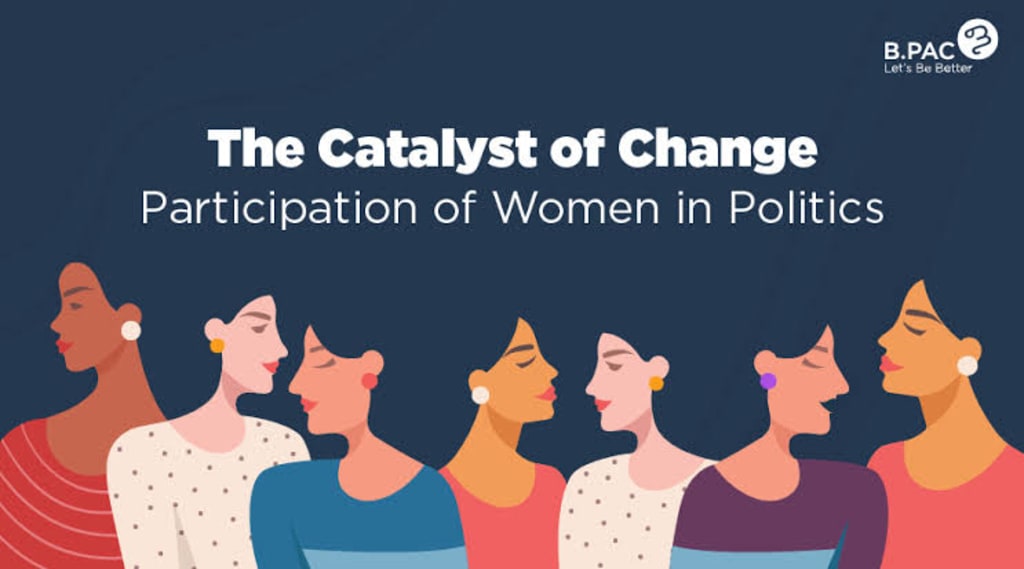
Women have come a long way in their fight for equality, but there is still much to be done. One area where women have historically been underrepresented is in politics. However, in recent years, there has been a growing movement towards women's empowerment in politics, with more and more women breaking through the glass ceiling and taking their rightful place in the political arena.
The benefits of women's empowerment in politics are numerous. Firstly, women bring unique perspectives to the table that are often overlooked by male-dominated decision-making bodies. Studies have shown that having more women in politics leads to greater gender equality and improved policy outcomes for women and girls. Women in politics are also more likely to prioritize issues such as education, healthcare, and social welfare, which are crucial for promoting inclusive and sustainable development.
Empowering women in politics is also important for promoting democracy and good governance. Women's participation in politics can lead to greater transparency, accountability, and responsiveness to the needs and concerns of citizens. When women are involved in decision-making, they bring a different perspective and set of experiences that can help to create more equitable and just policies.
Despite the clear benefits of women's empowerment in politics, women still face many barriers to political participation. One of the biggest barriers is gender stereotypes and biases, which can prevent women from being taken seriously as political leaders. Women are often seen as too emotional, too soft, or too weak to handle the tough and competitive world of politics. These stereotypes are reinforced by the media, political opponents, and even by well-meaning supporters who may unintentionally undermine women's confidence and credibility.
Another barrier to women's political participation is the lack of supportive policies and structures. Many countries still have electoral systems that are stacked against women, with few women-friendly policies such as gender quotas or affirmative action programs to promote women's participation in politics. Additionally, women may face significant financial and logistical hurdles in running for office, such as lack of access to funding, childcare, and campaign resources.
To overcome these barriers, we need to work towards creating a more supportive and inclusive political environment for women. This includes promoting gender-sensitive policies and electoral systems that encourage women's participation, as well as providing greater support and resources to women who want to enter politics. We also need to challenge gender stereotypes and biases and work towards creating a more equal and respectful political culture that values women's contributions.
Empowering women in politics is not just a matter of social justice, it is also crucial for promoting sustainable development and good governance. By promoting women's political participation, we can create more inclusive, equitable, and just societies that work for everyone, regardless of gender. It's time to break down the barriers and empower women to lead in politics, so that we can create a better world for all.
Pakistan is a country where women's political participation has been historically low, with women facing significant barriers to entering politics. However, in recent years, there has been a growing movement towards women's empowerment in politics, with women breaking through the barriers and making their mark in the political arena.
One of the key challenges facing women in politics in Pakistan is the cultural and societal norms that discourage women from participating in public life. Women are often expected to prioritize their roles as wives and mothers, and many face opposition and discrimination if they try to break away from these traditional roles. Additionally, the patriarchal nature of Pakistani society means that women's voices are often silenced or ignored in political discourse.
Despite these challenges, women have been making significant strides in politics in Pakistan. In 2018, Pakistan elected its first female member of parliament from the conservative tribal region of Khyber Pakhtunkhwa, breaking through the long-held barrier against women's political participation in the region. In addition, women's representation in the national and provincial assemblies has increased in recent years, with women making up nearly 20% of the national assembly and over 25% of the senate.
The increasing number of women in politics in Pakistan is not just a matter of social justice, it is also important for promoting sustainable development and good governance. Women in politics can bring unique perspectives and experiences that can help to create more inclusive and equitable policies. For example, women are more likely to prioritize issues such as education, healthcare, and social welfare, which are crucial for promoting inclusive development.
To continue promoting women's empowerment in politics in Pakistan, there are several key steps that need to be taken. Firstly, there needs to be greater support for women who want to enter politics, including access to training, funding, and other resources. Secondly, there needs to be more awareness-raising campaigns to challenge cultural and societal norms that discourage women from entering politics. Finally, there needs to be more women-friendly policies and structures, such as gender quotas or affirmative action programs to promote women's participation in politics.
In conclusion, women's empowerment in politics is crucial for promoting sustainable development and good governance in Pakistan. While there are still significant challenges facing women who want to enter politics, there is also cause for optimism, as more and more women are breaking through the barriers and making their mark in the political arena. By continuing to support women's political participation, we can create a more inclusive and equitable society that works for everyone, regardless of gender.
About the Creator
Aleena Aleem
I am a passionate political science student who is committed to advancing her own education as well as that of others. I write articles on a variety of topics related to politics, with the goal of helping other students understand better.
Enjoyed the story? Support the Creator.
Subscribe for free to receive all their stories in your feed.
Comments
There are no comments for this story
Be the first to respond and start the conversation.