
Why They Can't Bring Titanic Out of the Ocean
titanic
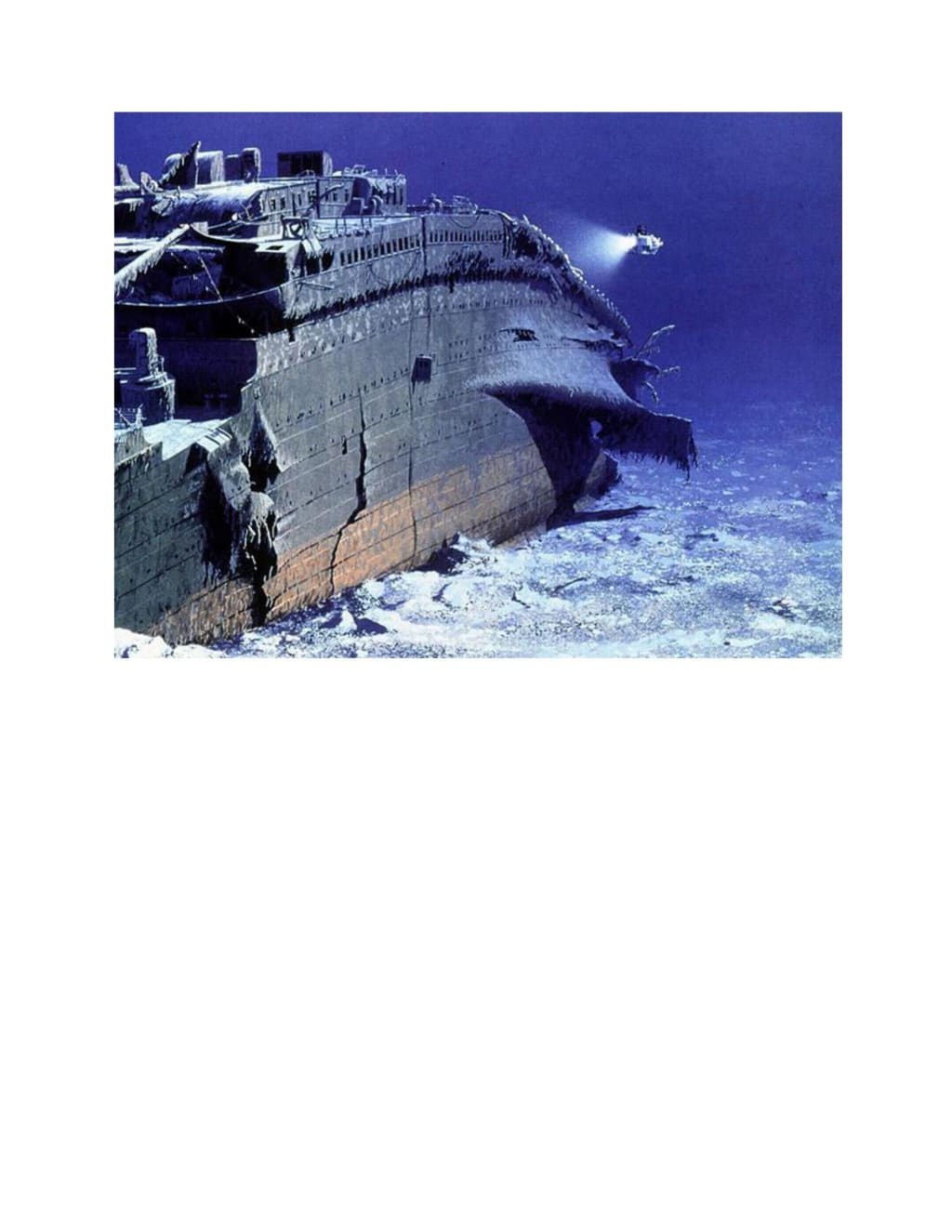
The Titanic was once considered to be one of the largest and most luxurious passenger ships, equipped with high-class features such as a grand staircase, swimming pool, and gymnasium. People believed it to be unsinkable due to its advanced safety devices. However, its tragic sinking on its maiden voyage in 1912 proved otherwise.
It wasn't until 1985 that the Titanic's wreckage was finally discovered using state-of-the-art Sonar technology. Since then, thousands of items have been recovered from the Titanic, many of which have been displayed or sold at auction. These items, including jewelry, a life jacket, a menu from the ship's restaurant, and a sample square of carpet from a first-class stateroom, have captivated the public and offered insight into the lives of those onboard.
Scientists have even considered strategies to retrieve the Titanic, not for display purposes, but for further study and to prevent further damage at the ocean's bottom. Ideas such as filling the wreck with ping-pong balls or injecting it with tons of Vaseline were proposed. There was also a proposal to use a giant claw or scoop to lift the Titanic, and another suggestion involved trapping it in an iceberg using liquid nitrogen. However, all of these plans had to be abandoned due to the delicate state of the ship.
The Titanic's iconic bow railings are at risk of collapsing, and metal-eating bacteria continue to deteriorate the wreckage. An undersea exploration company conducts annual expeditions to gather data on the deterioration of the ship and study the ecosystem created by shipwrecks. The Titanic is also being damaged by deep-sea currents and experts predict that it may disappear within a few decades due to holes in its hull.
The Titanic's deteriorating state is evident from the collapsed deck and fallen gymnasium near the grand staircase. The captain's bathtub, which became visible after the outer wall of the captain's cabin fell away, is also missing. The expeditions also focus on the creatures living at the site, including unique species that are only found at the Titanic wreck.
One notable creature found on the Titanic wreckage is the halomonas titanicae. This bacteria thrives in extremely salty environments and has shown resistance to antibiotics. Its presence is believed to have contributed to the deterioration of the ship's iron hull.
Despite the ongoing exploration and efforts to gather data, the Titanic remains too fragile to be recovered. The annual expeditions also uncover artifacts and personal items, with the exception of shoes, which have remarkably resisted deterioration. The leather in most shoes has been preserved due to the tanning process, protecting them from damage.
For those interested in personally exploring the Titanic, there is an opportunity to join expeditions as a mission specialist with Ocean Gate, the company responsible for the journey. However, this once-in-a-lifetime experience comes with a high price tag of $250,000 due to limited spots and includes collaboration with renowned specialists, accommodations, meals, training, and guidance.
While modern ships have advanced in technology, the Titanic remains an incredible piece of history due to its unique features and flaws. For example, its whistle could be heard over 11 miles away, and its hull was painted with a special mixture to prevent the growth of marine organisms. Despite popular belief, the ship's fourth smoke stack was not functional and only served aesthetic purposes. One significant flaw was its insufficient number of lifeboats, which could not save all passengers and crew in the event of an emergency.
The Titanic is not the only famous shipwreck, with others, such as the fleet of Kublai Khan and the RMS Empress of Ireland, possessing tragic stories of their own. The wreckage of the Kublai Khan fleet was discovered in the 1980s, shedding light on the Mongols' naval preparedness. The sinking of the RMS Empress of Ireland led to changes in maritime safety regulations and is considered one of Canada's worst maritime collisions.
The exploration and study of historical shipwrecks continue to provide valuable insights into the past and the underwater ecosystem they create.
About the Creator
Enjoyed the story? Support the Creator.
Subscribe for free to receive all their stories in your feed.
Comments
There are no comments for this story
Be the first to respond and start the conversation.